
Last updated November 24, 2026
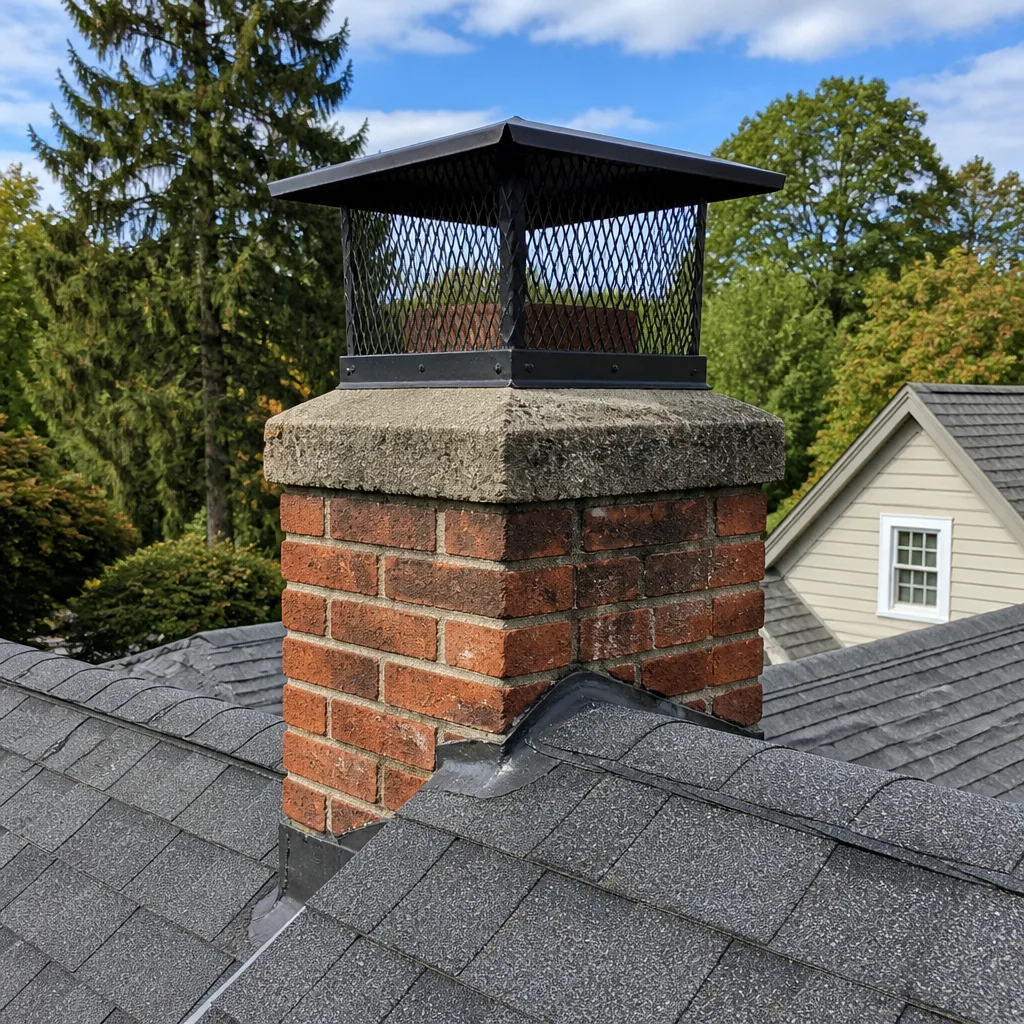 Sweep & inspection
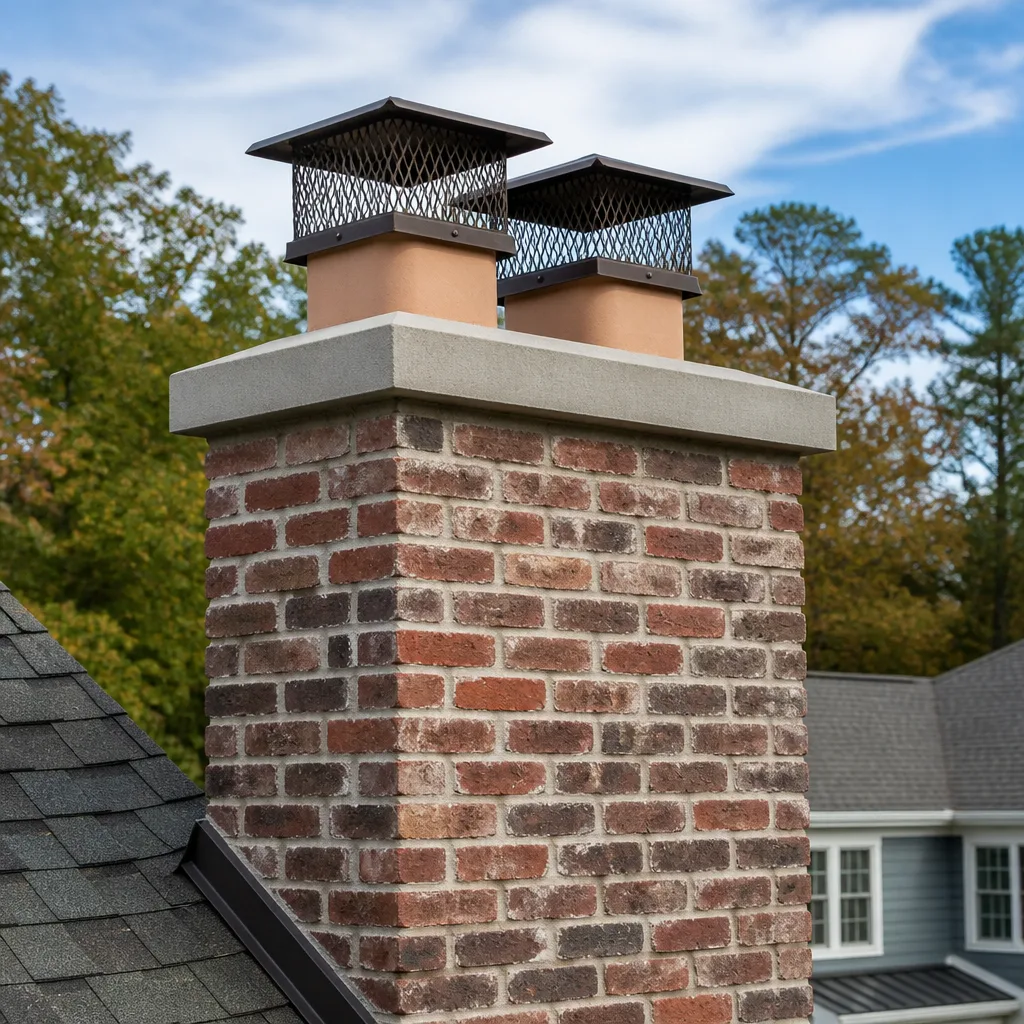 Caps & crowns
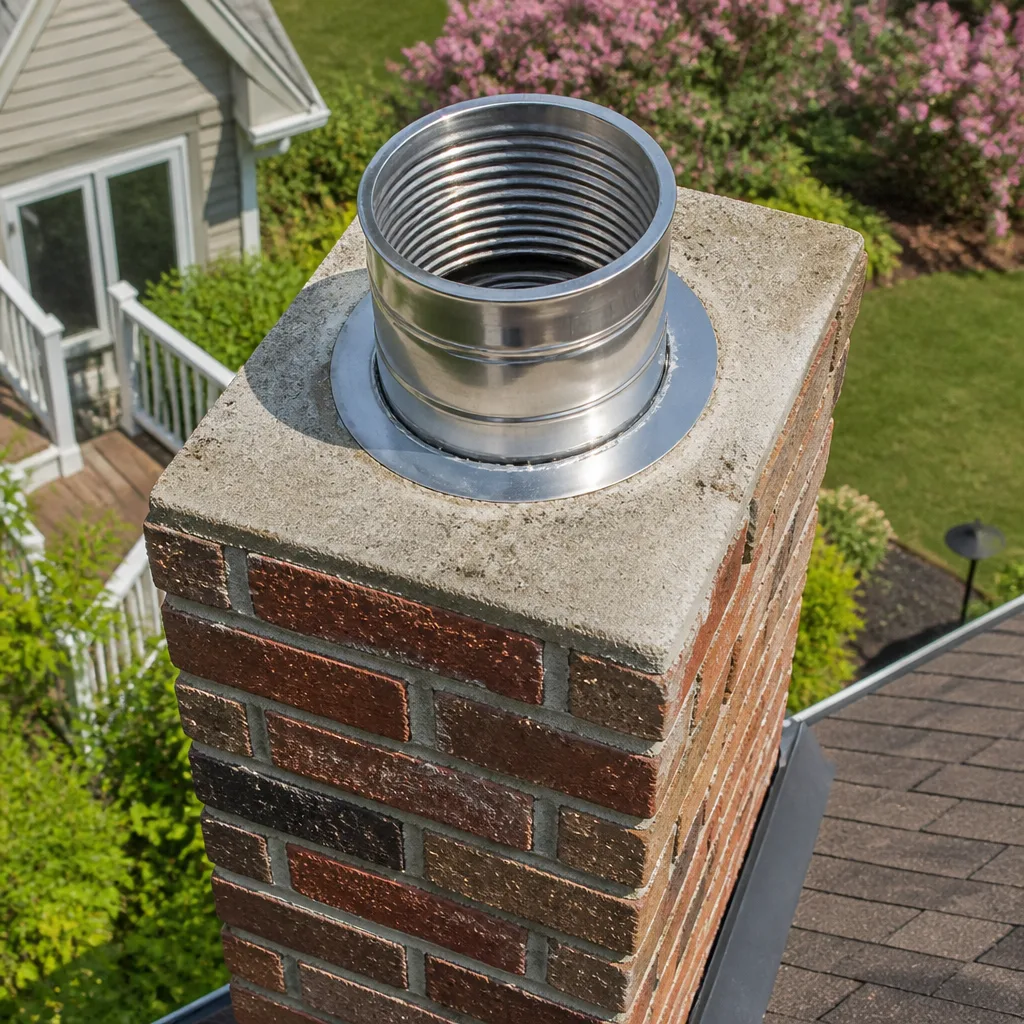 Flue relining
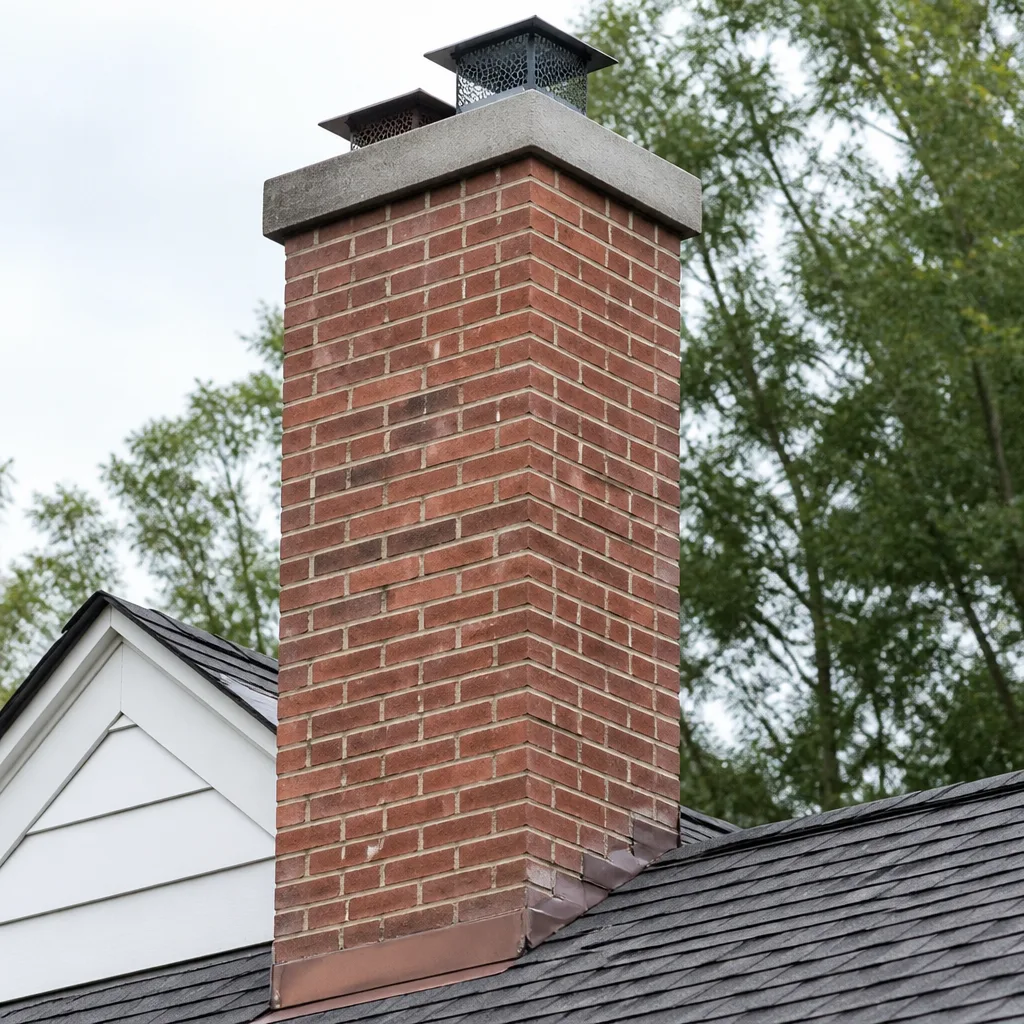 Masonry repair
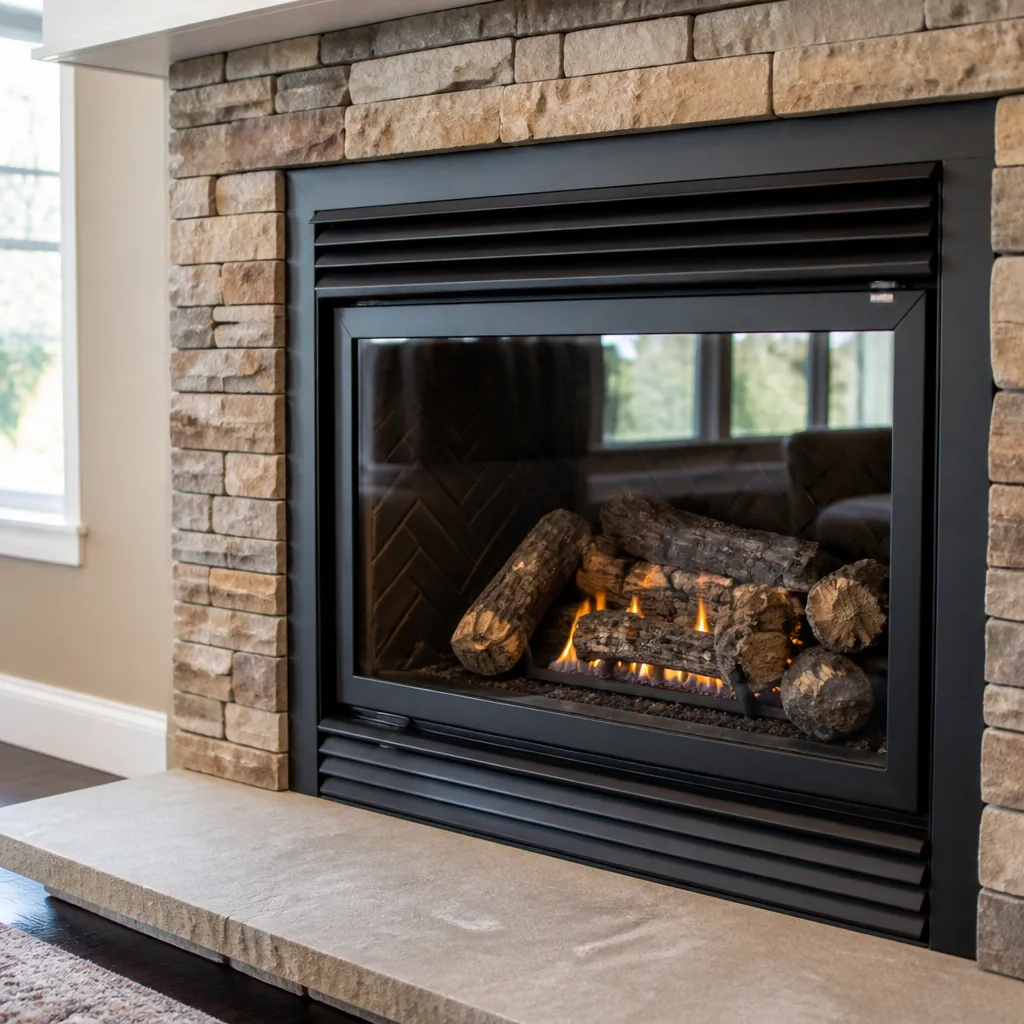 Gas fireplace service
Level 1 sweep and inspection to the NFPA 211 annual standard - flue, crown, cap, and flashing checked and photographed
Chimney sweep logs do not sweep chimneys. They loosen some creosote - which then falls where a brush and vacuum still have to collect it.
Chimney Cleaning Permits, Codes & Inspections in Buckhead, GA: What You Need to Know
Here’s the part most homeowners get wrong: the cleaning itself almost never needs a permit, but the repair that cleaning uncovers often does. You call for a sweep, the technician finds a cracked flue tile or a liner that’s failed, and suddenly you’re looking at work that falls under Georgia’s adopted residential code and Fulton County’s local amendments. The permit question stops being academic. Whether you own a 1920s bungalow off Peachtree Battle or a newer build in Buckhead, the rules follow the work, not the house. This guide explains which chimney services trigger permits, how inspection levels connect to code compliance, what grandfathering really covers, and why unpermitted work surfaces at resale. You’ll leave knowing what to ask before anyone touches your flue.
Quick Answer
Routine chimney sweeping and Level I inspections in Buckhead do not require a permit. Work that alters the chimney system, such as liner replacement, firebox rebuilding, or installing a new appliance and its venting, generally does require a mechanical permit under Georgia’s State Minimum Standard Codes and Fulton County’s local amendments to the International Residential Code. A Level 2 inspection is the document that proves the work was done right, and it’s the one buyers and insurers ask for.
Styles & brands we work with
- Sweep & inspection
- Caps & crowns
- Flue relining
- Masonry repair
- Gas fireplace service
Table of Contents
- Which chimney services need a permit in Buckhead?
- What counts as routine maintenance versus an alteration?
- How do NFPA 211 inspection levels connect to Georgia code?
- What does code compliant mean for older Buckhead chimneys?
- How does grandfathering work, and when does it not apply?
- How does unpermitted chimney work affect insurance and resale?
- Who pulls the permit: you or the contractor?
- A step-by-step path to a code-compliant chimney
Which chimney services need a permit in Buckhead?
The short version: maintenance doesn’t, alterations do. Sweeping, cap replacement, crown repair, and visual inspection fall on the maintenance side. Anything that changes how the chimney system is constructed or how it vents an appliance lands on the permit side. That line matters more in Buckhead than most homeowners expect, because the housing stock here spans roughly a century of construction, and older chimneys are the ones most likely to need real work rather than a brush and a look.
In our experience, the confusion comes from contractors who treat every job as either “always permitted” or “never permitted.” Neither is true. Here’s how the split usually falls:
- No permit typically required: annual sweeping, Level I visual inspection, cap and crown replacement, damper work, minor mortar repointing at the firebox face, and spark screen replacement.
- Permit generally required: installing or replacing a flue liner, relining a chimney for a new appliance, rebuilding a firebox, altering the chimney’s height or structure, installing a new wood stove or gas appliance with new venting, and converting a wood-burning fireplace to gas with a new vent configuration.
- Depends on scope: chimney chase enclosure work, crown rebuilds that affect the flue termination, and structural repair to a masonry chimney above the roofline.
HeatShield liner resurfacing sits in a gray zone that trips people up. It restores a deteriorated flue to a smooth, sealed surface rather than installing a new liner, but many jurisdictions still view it as liner work because it changes the flue’s interior condition. In Buckhead, we tell homeowners to ask the local building department directly for any resurfacing or relining scope, and we document what we find with photos before recommending either.
What counts as routine maintenance versus an alteration?
Georgia’s State Minimum Standard Codes adopt the International Residential Code with local amendments, and the IRC is where the routine-versus-alteration distinction lives. Routine maintenance keeps the chimney functioning as originally built. An alteration changes its performance characteristics, its materials, or the appliance it serves. Cleaning a flue and replacing a missing cap are routine. Swapping out a liner or installing a new appliance and its vent are alterations, and alterations are what the permit process exists to verify.
The practical test we use: does the work change what the chimney is rated to do? If the answer is yes, assume a permit is part of the job until your building department tells you otherwise. That holds for a Buckhead homeowner adding a gas insert to a fireplace that was built for wood, and it holds for anyone replacing a clay tile liner that has cracked into pieces.
How the cleaning visit sorts itself out
A standard chimney sweep in Buckhead looks like this, and none of it requires a permit:
- We lay drop cloths and set up containment so no soot reaches your floors.
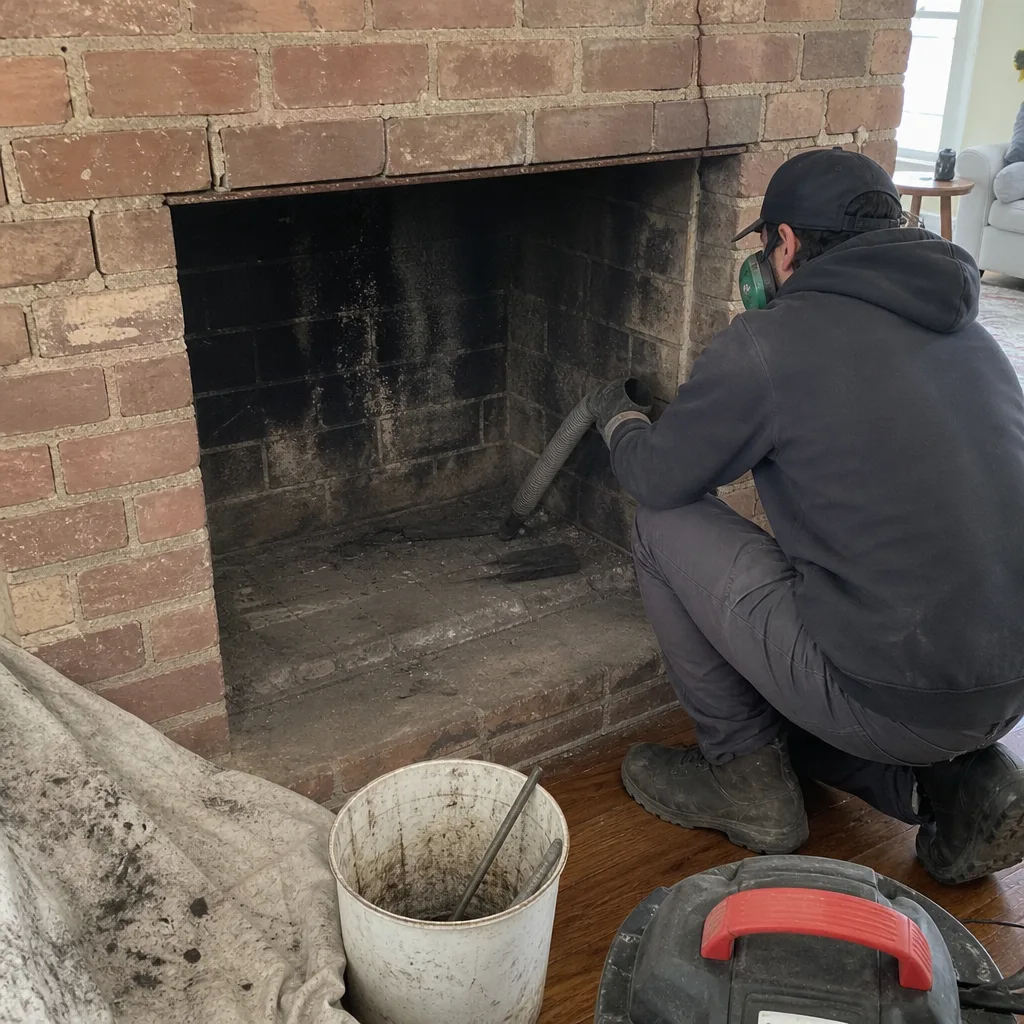
- We brush and vacuum the flue, firebox, damper, and smoke chamber.
- We check the cap, crown, and flashing from the roof.
- We run a camera down the flue and photograph what we find.
- You get a written report showing the condition of the liner, joints, and firebox.
If that report finds a problem, the next conversation is about whether the fix is maintenance or alteration. Cracks in the crown are maintenance. A liner that’s failed along its length is an alteration, and it’s where permits enter the picture.
How do NFPA 211 inspection levels connect to Georgia code?
NFPA 211 is the national standard for chimneys, fireplaces, vents, and solid fuel appliances, and it defines three inspection levels. Georgia’s residential code references that framework, so the inspection level isn’t just a formality; it’s the language an inspector, buyer, or insurer expects to see documented. The level you need depends on what happened to the chimney, not on how long it’s been since the last sweep.
- Level 1: A visual check of accessible parts of the chimney and connected appliance. It’s the routine inspection you get with an annual sweep, and it’s appropriate when the chimney is under continued service with no changes. This is the standard cleaning-visit inspection.
- Level 2: A more thorough examination, including accessible areas of the attic, crawlspace, and other spaces, often with video scanning of the flue interior. It’s required after a chimney fire, after an earthquake or other event that may have damaged the chimney, and at a change in occupancy, such as a real estate transaction.
- Level 3: The most detailed inspection, used when a Level 2 finds a problem that requires opening concealed areas of the chimney or building to investigate further.
For Buckhead, the Level 2 is the one that comes up again and again, because this neighborhood turns over a lot of homes with unknown chimney histories. A buyer’s lender and insurer both want to know the chimney was inspected at the level the standard calls for when a property changes hands. In our experience, a Level 2 with photo and video documentation answers more resale questions in one visit than a stack of old paperwork.
Why the inspection level is a code question
An inspection doesn’t make a chimney code compliant; it proves whether it is. The Level 2 exists in part so that a chimney serving a new appliance, or one that has changed hands, gets examined closely enough to catch what a Level 1 would miss. That’s why a full relining or an appliance install should be followed by documentation showing the work meets the code requirements under which the permit was issued. Without that paper trail, compliance is a guess.
What does “code compliant” mean for older Buckhead chimneys?
It means the chimney meets the code that applies at the time you’re changing it, not the code from when it was built. A 1950s chimney in Buckhead was likely compliant with the standards of its day: a clay tile liner, brick construction, and clearances that fit the era’s appliances. The standards that govern clearances, flue sizing, and liner integrity have tightened over the decades. When the chimney is left alone, the older standards can apply. When you alter it, the current ones do.
In our experience, the gap between old and current standards shows up in a few predictable places:
- Clearances to combustible framing: older chimneys often sit closer to wood framing than current code allows. Not dangerous in every case, but a real issue once you’re replacing a liner or installing a new appliance.
- Liner condition and sizing: a cracked or undersized clay liner that worked with an old wood fire may not safely serve a new insert or high-efficiency appliance.
- Crown and flashing: a flat or cracked crown lets water into the chimney, and water damage is usually what triggers the structural repair that requires a permit.
- Cap and spark containment: many older Buckhead chimneys lacked a properly fitted cap, which leaves the flue open to rain, animals, and debris. A chimney cap & crown replacement is maintenance, but it’s also the cheapest way to stop a slow structural problem.
That last point is why we keep Gelco and Famco caps on hand: when a missing or damaged cap is the only issue we find, we can replace it on the same visit rather than scheduling a return trip. For older chimneys, we recommend a camera inspection before any recommendation, because the visible condition of the firebox doesn’t tell you what the flue looks like inside.
How does grandfathering work, and when does it not apply?
Grandfathering means your chimney can keep doing what it was built to do under the code that applied when it was constructed, even if the current code would have required something different. It does not mean the chimney is exempt from all code requirements forever. The protection ends the moment the chimney is altered, and it never covered an unsafe condition in the first place.
Here’s how the practical side works in Buckhead:
- If you leave the chimney alone, it generally continues under the standards in force when it was built. A routine sweep and inspection doesn’t change its status.
- If you alter the chimney, the work must meet the current code as adopted by Georgia and amended by Fulton County. That’s true whether you’re installing a new liner, adding an appliance, or rebuilding a firebox.
- If the chimney is unsafe, grandfathering doesn’t shield it. A cracked flue or inadequate clearance is a hazard regardless of when it was built, and an inspector or insurer can require the fix.
- If you sell, the buyer’s inspector will evaluate the chimney against current expectations. Older non-compliant work isn’t automatically a deal breaker, but undisclosed or unpermitted work often becomes one.
The lesson we pass along is simple: grandfathering protects the past, and altering the chimney ends that protection. When a homeowner in Buckhead is deciding whether to reline an aging flue, the honest answer is that the moment you reline, you’re building to today’s rules. That’s not a reason to avoid the work; it’s a reason to make sure the work is permitted and documented.
How does unpermitted chimney work affect insurance and resale?
It creates a problem you won’t see until you need coverage or a buyer. Homeowner’s insurance and mortgage underwriting both lean on the idea that structural and mechanical work on a home was done to code. Unpermitted chimney work is a gap in that record. After a chimney fire or a carbon monoxide incident traced to the flue, an insurer can question whether the work that failed was ever inspected and approved. During a sale, a buyer’s inspector or appraiser who finds an unpermitted liner or firebox rebuild can turn a routine transaction into a negotiation.
We’ve seen the pattern enough to describe it plainly:
- Claims: a chimney-related loss is evaluated against the condition of the system. If a repair was never permitted or inspected, the insurer may limit or dispute part of the claim.
- Underwriting: some insurers ask about chimney condition and any recent work. A permitted, inspected job is easy to document. An unpermitted one isn’t.
- Resale: a buyer’s Level 2 inspection may flag work that doesn’t match the permit record. That can require a second inspection, corrective work, or a price adjustment before closing.
- Disclosure: sellers are expected to disclose known material defects and unpermitted work. A past owner’s shortcut can become your obligation to disclose.
This guide describes general practice, not your specific policy. Call your insurer if you’re unsure how they treat a given repair. But the broad trend across the industry is that documented, permitted work is easier to insure and easier to sell, and the paper trail is the whole point. If you’re buying a Buckhead home with an unknown chimney history, a pre-purchase inspection with photos is the single most useful document you can get before you close.
Who pulls the permit: you or the contractor?
The person doing the work pulls the permit. That’s the standard arrangement, and it’s the one that keeps responsibility with the party who can actually be held to the code. A licensed chimney contractor who performs liner replacement or an appliance install should pull the permit in their own name, schedule the inspection, and hand you the approved sign-off when the job is done. If a contractor asks you to pull the permit yourself as the homeowner, that’s a signal worth pausing on.
What a homeowner-pulled permit actually means
Some jurisdictions allow a homeowner to take out a permit for work on their own residence, but that permit places the compliance responsibility on the homeowner, not the contractor. In practical terms:
- You become the party the inspector holds accountable for the work meeting code.
- If something fails inspection, the correction and the re-inspection run through you.
- A future buyer’s inspector may see the homeowner-pulled permit and ask harder questions about who did the work and whether it was ever verified.
- Any warranty or insurance claim tied to the repair is murkier, because the record shows the homeowner as the permit holder on a job a contractor performed.
The cleaner arrangement is the contractor pulling the permit, and that’s how we handle permit-required work in Buckhead. When the scope falls outside what we do as a chimney specialist, we say so rather than taking on work we can’t document properly.
A step-by-step path to a code-compliant chimney
If you’re not sure where your Buckhead chimney stands, this is the sequence we recommend, in order. It catches the cheap problems before they turn into permit-required ones, and it gives you a paper trail either way.
- Start with a sweep and a Level 1 inspection. A cleaning visit with camera inspection tells you what’s actually going on inside the flue. You get a written report with photos, and you get a clear picture of what’s maintenance and what’s real work.
- Fix the small stuff first. Cap, crown, and flashing issues are maintenance, and they’re the leading cause of the structural problems that later require permits. Same-visit cap replacement through Gelco and Famco inventory keeps this step simple.
- Get a scope in writing. If the report flags a liner problem, firebox damage, or an appliance change, get a written scope from the contractor that says exactly what will be altered, what permit applies, and who pulls it.
- Confirm the permit requirement with the local building department. Fulton County and the City of Atlanta handle permitting for work within their jurisdictions. Ask them for any scope you’re unsure about; a two-minute call is cheaper than an unpermitted job.
- Have the work done and inspected. The contractor pulls the permit, the work is completed, and the local inspector signs off. Keep the approved paperwork with your home records.
- Get a Level 2 inspection for the record. A Level 2 gives you the documentation a buyer, lender, or insurer will look for later, especially if the chimney’s history is unknown or the home is about to change hands.
For many homeowners, that path starts with a sweep and ends with a repair that’s already covered by the Buckhead Chimney Sweep Pros single-source model, which means one company handles the cleaning, the inspection, the liner or fireplace work, and the documentation. A fireplace repair found during a cleaning visit is the same appointment, not a separate vendor.
Common Mistakes to Avoid
- Assuming a cleaning permit covers the repair. The sweep needs no permit, but the liner replacement that follows the sweep usually does. Don’t let one visit blur the two into a single unpermitted repair.
- Letting a contractor tell you a relining “doesn’t need a permit.” In Fulton County, liner replacement and appliance installation are the very work the code addresses. If a contractor waves off the permit question on a relining job, ask for the code section they’re relying on, in writing.
- Pulling the permit yourself to save time. Taking the homeowner permit puts compliance on you and leaves the record looking like you did the work. Let the contractor who does the work pull the permit.
- Skipping the Level 2 inspection on a home purchase. A Buckhead home with an unknown chimney history needs a Level 2 to document condition. A Level 1 visual isn’t enough to answer what a lender or insurer will ask.
- Assuming grandfathering protects a cracked flue. Grandfathering applies to code compliance for unaltered chimneys, not to unsafe conditions. A cracked liner is a hazard no matter when it was built.
- Replacing a liner without addressing the crown. Water getting in through a failed crown is often what caused the liner to deteriorate in the first place. Liner work without crown and cap repair tends to fail the same way again.
- Letting a general handyman handle permit-required chimney work. Chimney work is specialized, and the code that governs it is specific. A general contractor who sweeps chimneys on the side is a poor fit for liner and structural work that will be inspected.
See the difference
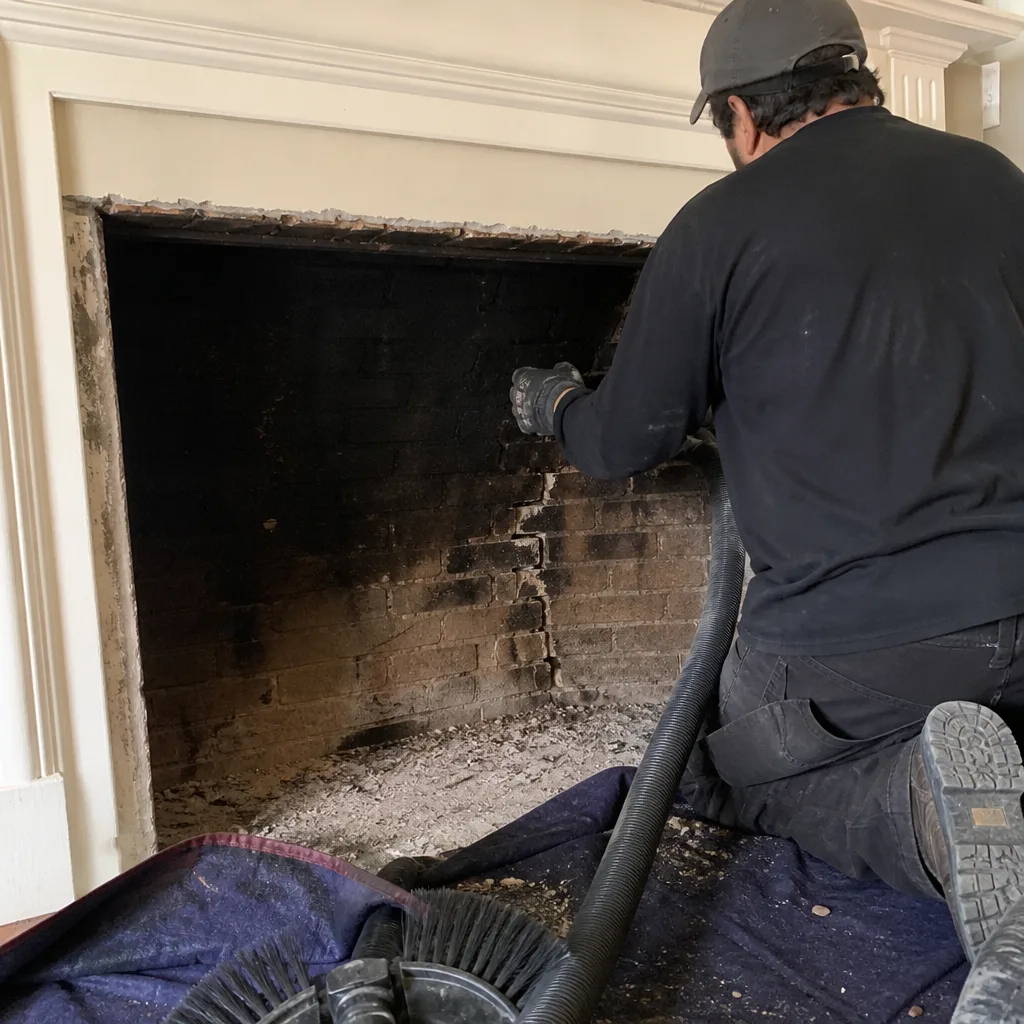 Before
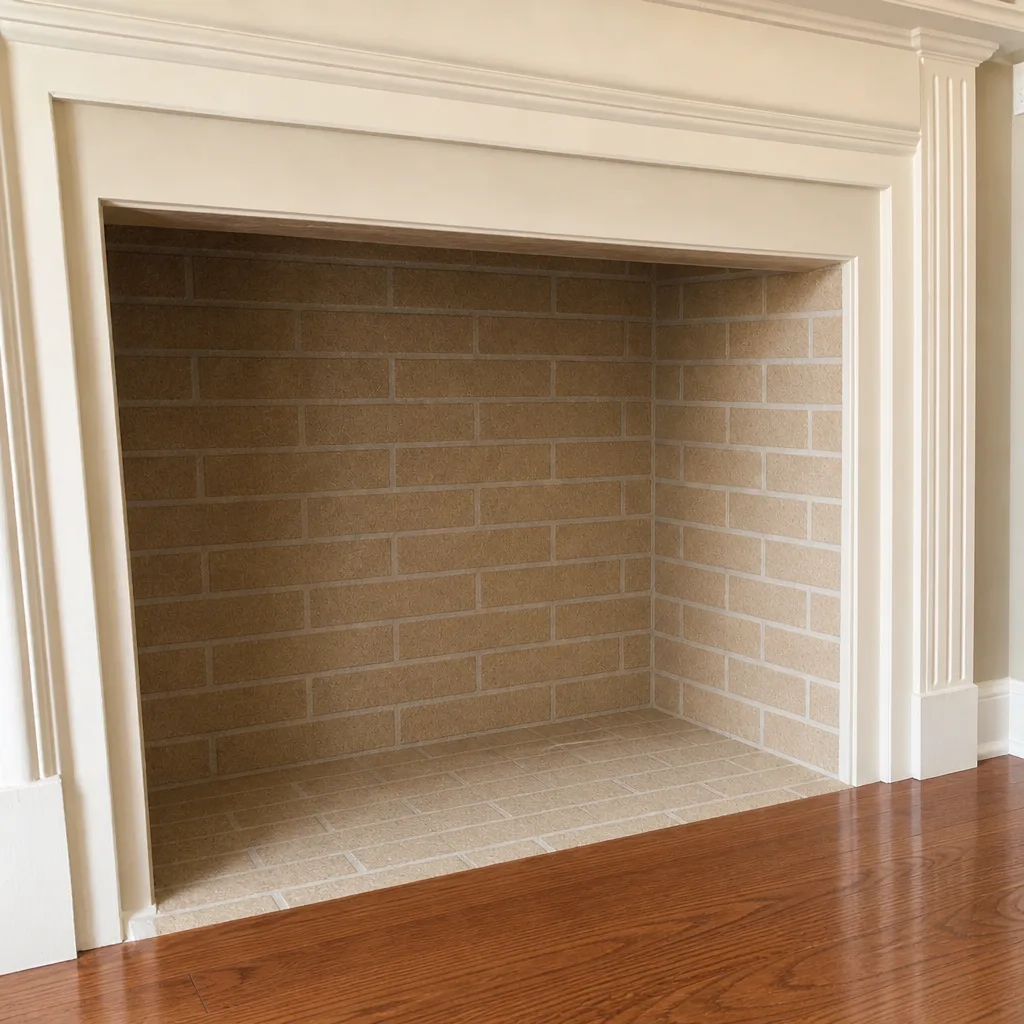 After
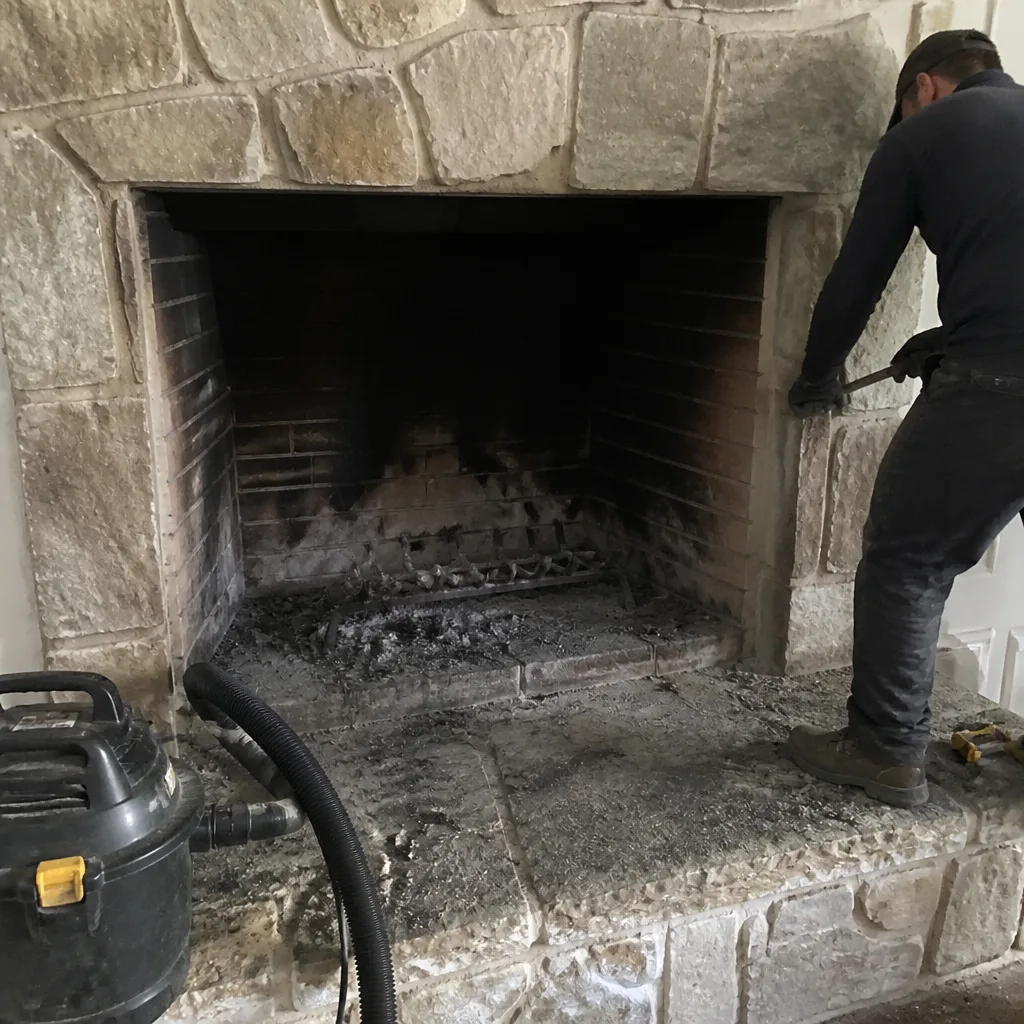 Before
 After
 Before
 After
When to Call a Professional
Call a professional before you sweep, before you buy, and before you repair, not after. The scenarios that need a specialist are specific: you haven’t had the chimney serviced in over a year, you recently bought a Buckhead home and don’t know the chimney’s history, you’ve noticed a cracked crown, a missing cap, or a firebox that smokes back into the room, or a contractor has quoted you liner or firebox work without a camera inspection and a written scope. Those are the moments where permits and code compliance become real, and where a documented inspection protects you. Buckhead Chimney Sweep Pros offers free estimates in Buckhead – call (866) 947-8098. Our technicians have up to 14 years of experience and can walk you through what’s maintenance, what’s repair, and what will need a permit.
Frequently Asked Questions
No. Routine chimney sweeping and a Level 1 inspection are maintenance and don’t require a permit in Buckhead or anywhere in Fulton County. A permit becomes relevant when the work crosses into liner replacement, firebox rebuilding, structural repair, or a new appliance installation and its venting. Call (866) 947-8098 for an exact quote – estimates are free.
Usually, yes. Liner replacement alters the chimney system and generally requires a mechanical permit under Georgia’s adopted residential code and Fulton County’s local amendments. Because scopes vary, confirm the requirement with your local building department before work begins, and make sure the contractor who performs the relining pulls the permit in their own name. Call (866) 947-8098 and we can help you sort out whether your scope needs a permit.
A Level 1 inspection is a visual check of accessible parts of the chimney and appliance, performed as part of routine service. A Level 2 goes further, often with video scanning and examination of accessible attic and crawlspace areas, and it’s required after a chimney fire or at a change in occupancy such as a real estate transaction. Home buyers with an unknown chimney history need the Level 2. Call (866) 947-8098 to schedule one – estimates are free.
They can ask, but it shifts compliance onto you. A homeowner-pulled permit makes you the permit holder responsible for the work meeting code, even when a contractor performs it, and a future buyer’s inspector may read that record as a red flag. The cleaner arrangement is the contractor pulling the permit for work they perform. Call (866) 947-8098 if you want a scope reviewed before you sign anything.
It can. Insurers and mortgage underwriters rely on the assumption that structural and mechanical work was done to code, and unpermitted work creates a gap in that record. After a chimney-related loss, an insurer can question whether the failed work was ever inspected, and a buyer’s inspector can flag it during resale. The fix is documentation: permitted, inspected work plus a current inspection report. Call (866) 947-8098 for a documented inspection – estimates are free.
You can’t know from a visual look at the firebox. Older Buckhead chimneys built to earlier standards may be grandfathered for code compliance, but that protection ends the moment the chimney is altered, and it never covered unsafe conditions like a cracked liner or inadequate clearances. A camera inspection with a written report tells you what’s actually there, and a Level 2 documents it in the form a buyer or insurer will accept. Call (866) 947-8098 to set one up.
The Bottom Line
Most chimney cleaning in Buckhead needs no permit. Liner replacement, firebox rebuilding, and appliance installation usually do, and that’s where Georgia’s adopted residential code and Fulton County’s local amendments do their work. Grandfathering protects an unaltered older chimney, not an unsafe one, and it ends when the chimney is altered. An unpermitted repair can follow you to resale and complicate an insurance claim. The practical path is straightforward: sweep and inspect first, fix the maintenance items, confirm any permit requirement with the local building department, and make sure the contractor doing the work pulls the permit. Specialists handle the work others turn away, and every recommendation comes with camera evidence you can see for yourself.
When you want the whole system handled in one call, from cleaning through liner restoration and structural repair, our team installs and works with DuraFlex and HeatShield systems alongside Gelco and Famco caps. Trade-grade materials from a professional supply chain, not hardware-store substitutes, and documentation you can hand a buyer or an insurer.
Contact Buckhead Chimney Sweep Pros for a free estimate at (866) 947-8098. We answer 24/7. Fast dispatch from 7am to 7pm, Sunday through Friday.
Written by the team at Buckhead Chimney Sweep Pros.