
Last updated November 24, 2026
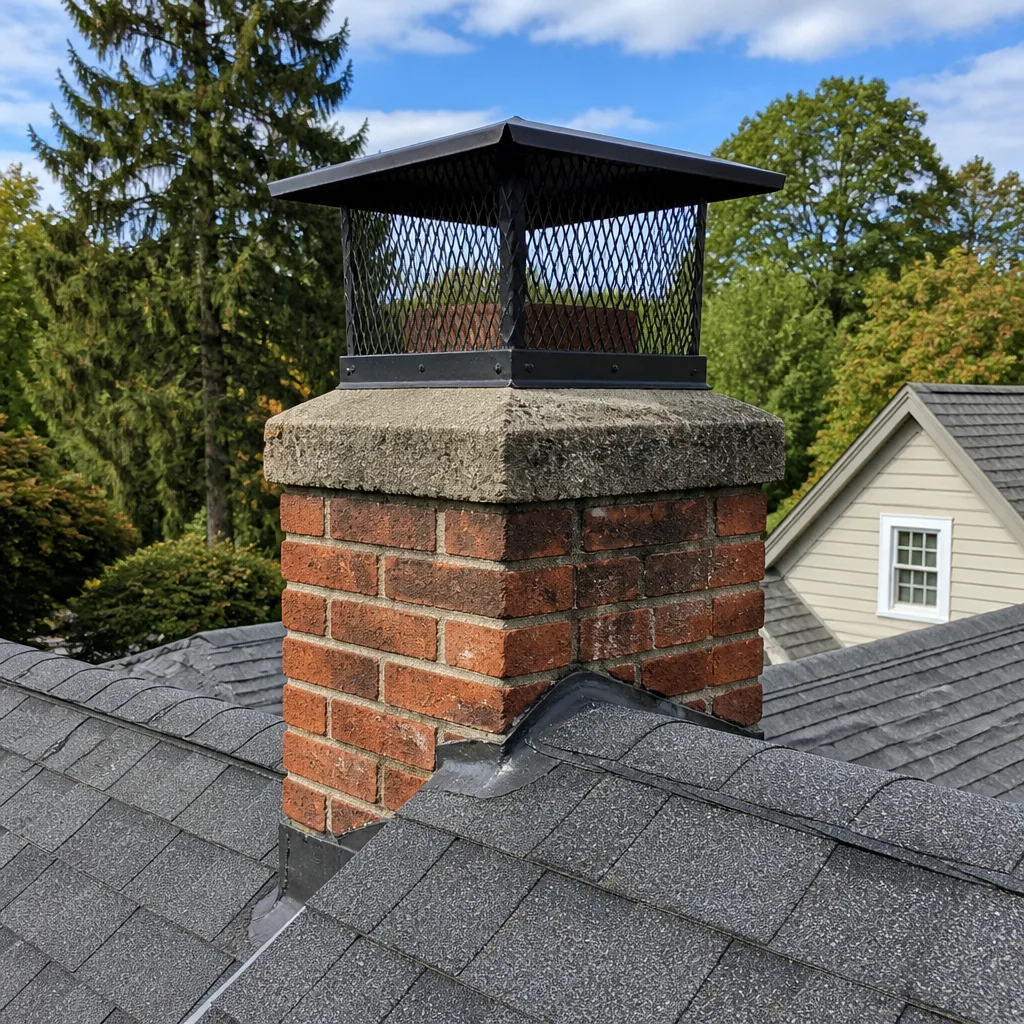 Sweep & inspection
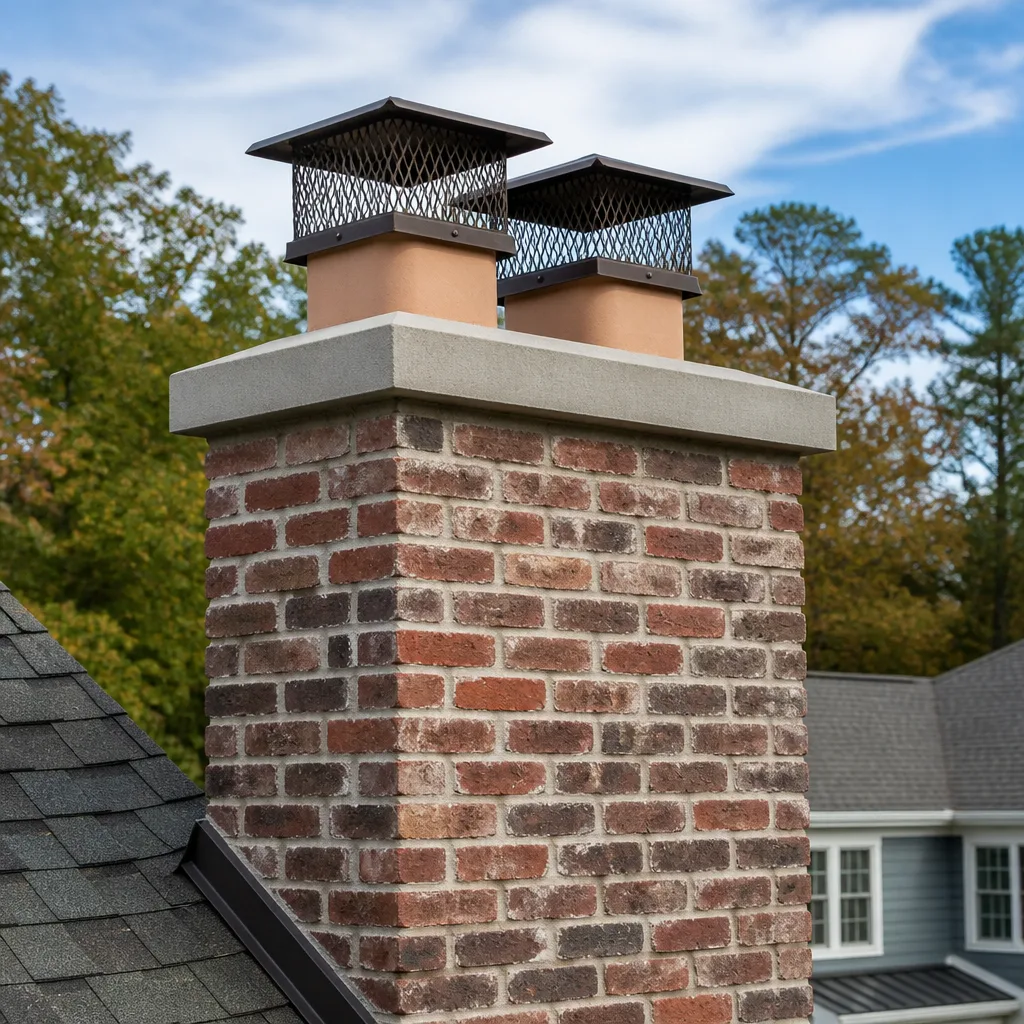 Caps & crowns
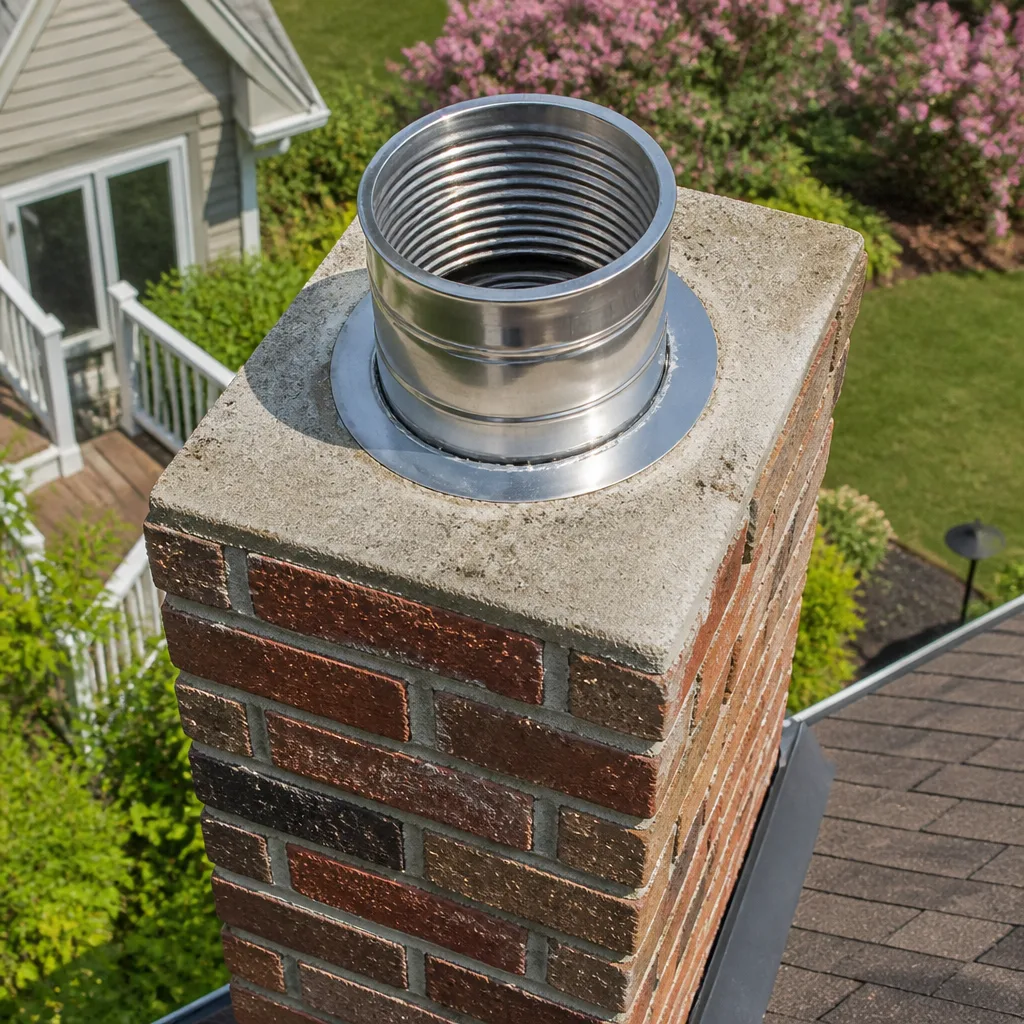 Flue relining
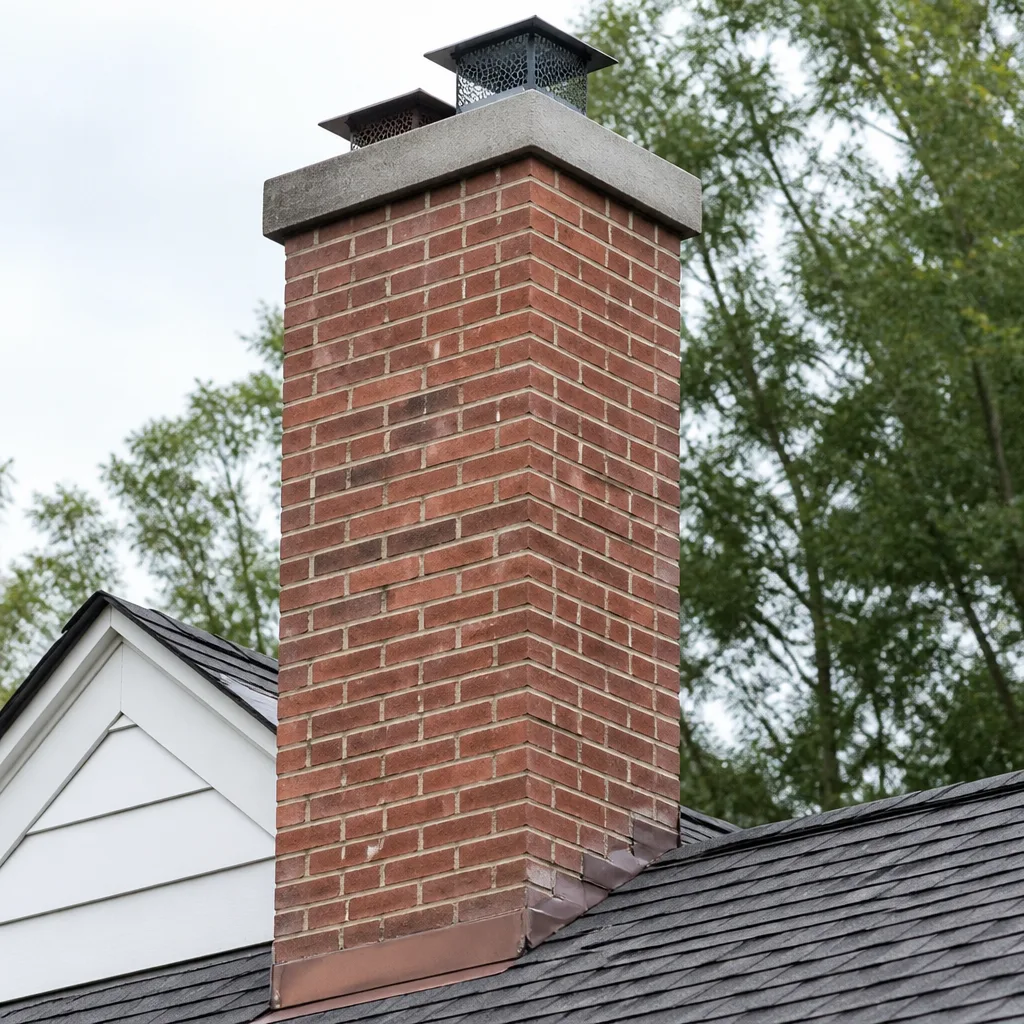 Masonry repair
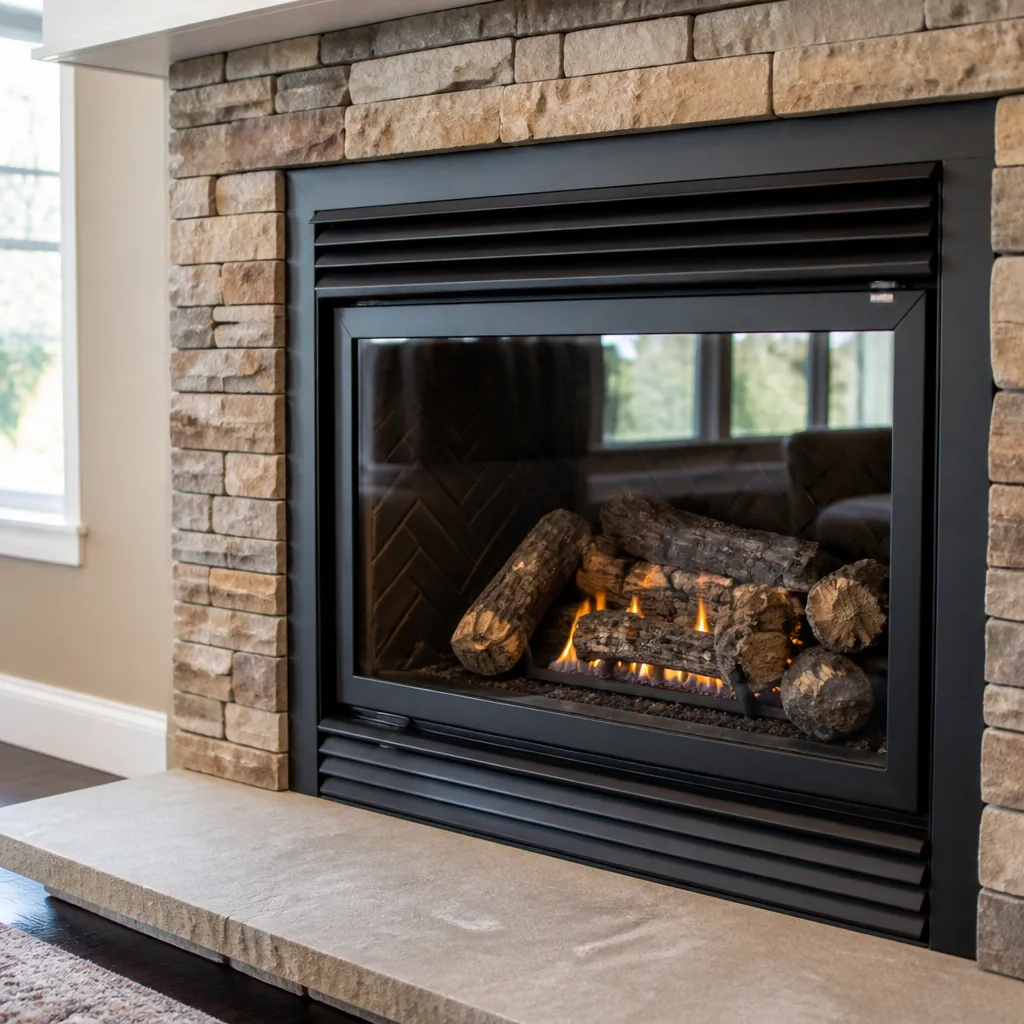 Gas fireplace service
Level 1 sweep and inspection to the NFPA 211 annual standard - flue, crown, cap, and flashing checked and photographed
Chimney sweep logs do not sweep chimneys. They loosen some creosote - which then falls where a brush and vacuum still have to collect it.
Chimney Sweep Maintenance Schedule: What to Do and When
Most homeowners have absorbed one chimney rule: get it swept once a year. It’s decent advice, and it’s incomplete. The industry standard behind it (NFPA 211) doesn’t just call for an annual inspection. It also calls for an inspection after any event that could have damaged the chimney. That second clause almost never makes it into the version homeowners hear, and it matters in Buckhead, where the metro has logged minor earthquake swarms twice in the past decade. This guide builds a real maintenance calendar by the variables that actually change the answer: how much you burn, what you burn, and how old your liner is.
Quick Answer
Get your chimney inspected once a year and swept when the inspection shows enough creosote buildup to warrant it. A fireplace burned a handful of times a season may go a few years between sweeps, while a heavily used firebox needs one every season or even mid-season. Schedule any additional inspection after a chimney fire, an earthquake, or a storm that could have damaged the exterior, and check the cap and crown each spring before the summer storm season.
Styles & brands we work with
- Sweep & inspection
- Caps & crowns
- Flue relining
- Masonry repair
- Gas fireplace service
Table of Contents
- Why “Once a Year” Is a Floor, Not a Schedule
- Usage Tiers: How Often You Burn Changes the Interval
- Fuel Type and Creosote: What You Burn Sets the Timeline
- The Seasonal Checkpoints Beyond Sweeping
- When a Level 2 Inspection Replaces a Standard Sweep
- How to Track Your Own Usage Like a Pro
- Your Year-at-a-Glance Chimney Calendar
Why “Once a Year” Is a Floor, Not a Schedule
The annual rule is a minimum, not a target. It exists to make sure no chimney goes years without a set of trained eyes on it. But “inspect annually” and “sweep annually” are two different instructions, and conflating them is where maintenance plans start to drift. An inspection tells you what condition the flue is in. A sweep removes what’s built up inside it. You need the first to know whether you need the second.
What happens in a Buckhead chimney over a season depends on things no generic calendar accounts for. A Buckhead home that burns a cord of seasoned oak every winter builds creosote at a very different rate than one where the fireplace runs a few evenings around the holidays. The liner in each house may be at a different stage of its life, too. A clay tile liner and a stainless system age on different timelines, and a liner that’s already showing cracks or gaps needs closer attention regardless of how much you burn.
Our technicians have up to 14 years of experience, and the pattern they describe is consistent: the problems that get expensive are the ones nobody looked at because the calendar said “not due yet.” Sweeping is a safety standard, not a luxury service, and the schedule that keeps a chimney safe is the one built around your fireplace, not the one printed on a fridge magnet.
- Inspect every year: non-negotiable for any chimney that’s in use.
- Sweep when the inspection calls for it: based on creosote thickness, not the calendar alone.
- Add inspections after events: chimney fire, earthquake, storm damage to the exterior.
- Check cap and crown every spring: before summer storms, not after.
Usage Tiers: How Often You Burn Changes the Interval
A fireplace burned three times a year and one burned thirty times a year do not deserve the same sweep interval, and treating them the same is how people either overspend on unnecessary sweeps or under-maintain a heavily used flue. The right tier depends on how much wood actually goes into the firebox over a season, not how many months the fireplace is “in season.”
Light use (a handful of fires per season)
This is the holiday-and-cold-snap fireplace. It gets lit for ambience or a few evenings when the temperature drops. A light-use chimney usually needs a full inspection annually and a sweep every few years, as long as the fuel is well seasoned and the liner is sound. The inspection still matters every year because light use doesn’t protect a liner from slow deterioration or a crown from weather.
Moderate use (weekly through the winter)
Once you’re burning most weeks from late fall through early spring, the sweep interval tightens. A moderate-use fireplace commonly needs a sweep every season, because creosote accumulates faster than a once-every-few-years cycle can keep up with. This is the most common tier in Buckhead, where winters are mild enough that a fireplace gets real use but not the all-day burn of colder climates.
Heavy use (daily or near-daily)
A fireplace used as a real heat source, burned most days through the cold months, needs checking more than once a season in some cases. Creosote can build to a level worth removing within a single winter of daily burning, and a mid-season look is often worth the call. Heavy use is also when liner condition deserves the closest attention, because it’s under the most thermal stress.
If you’re not sure which tier you’re in, the tracking method further down will tell you. Once you know roughly how much wood you burn in a season, the conversation with your sweep becomes specific instead of guesswork.
Fuel Type and Creosote: What You Burn Sets the Timeline
Creosote is the tar-like residue left behind when wood smoke cools inside the flue, and how fast it forms depends heavily on what you burn and how completely it burns. Different fuels deposit at genuinely different rates. Understanding that helps you predict when your chimney is due, and it changes what a sweep finds when they open the firebox.
Seasoned hardwood
Well-seasoned hardwood, dried for a season or more, burns hot and clean and deposits creosote slowly. It’s the baseline against which other fuels are measured. Even with hardwood, though, a cool, smoldering fire deposits more than a hot, active one, so how you burn matters as much as what you burn.
Softwood
Softwood burns faster and hotter at the surface but can leave more residue because it’s less dense and burns through quickly, often with more smoke if it isn’t fully dry. Softwood isn’t wrong to burn, but it tends to move the sweep interval up, especially if it’s not well seasoned.
Manufactured logs
Manufactured logs burn consistently, and many are formulated to burn cleaner than raw wood, which can slow creosote buildup. They’re not a substitute for an inspection, and some varieties produce their own residue patterns. If manufactured logs are your primary fuel, tell your sweep so the inspection accounts for it.
Green or unseasoned wood
This is the fuel that moves the timeline up the most. Wet wood burns cool and smoky, and cool smoky fires are exactly what deposits creosote fast. If your wood supply wasn’t properly dried, plan on a shorter interval between sweeps until you’ve worked through it.
- Seasoned hardwood: slowest creosote buildup, longest sweep interval.
- Softwood: faster buildup, especially if not fully dry.
- Manufactured logs: often cleaner-burning, but inspect on schedule regardless.
- Green or wet wood: fastest buildup, most frequent sweeps.
One more variable: how the fire burns. A damped-down, smoldering fire produces more creosote than a hot, active one, no matter the fuel. Burning hot and letting the fire breathe protects the flue more than any single wood choice.
The Seasonal Checkpoints Beyond Sweeping
Sweeping is one task in a maintenance year that has several. The chimney is exposed to weather year-round, and the parts outside the flue take more abuse than most homeowners realize. A maintenance calendar that only accounts for sweeping leaves the cap, the crown, and the exterior masonry to chance.
- Spring: inspect the cap and crown. Before summer thunderstorm season, look at the top of the chimney. The cap keeps rain, birds, and debris out of the flue, and the crown sheds water off the masonry. A cracked crown or a missing cap lets water in, and water damage compounds over a summer of storms. This is the season to replace a damaged cap, and it’s a job we can often finish in the same visit because we stock Gelco and Famco caps.
- Late summer: book the pre-season inspection. Before the first fire of fall, have the chimney inspected and swept if needed. This is the busiest time of year for chimney work, so scheduling before the first cold snap means you’re not waiting when everyone else calls at once.
- Fall: check the liner before you light the first fire. A liner inspection confirms the flue is sound and clear before the burning season. If the liner is deteriorating, this is the window to address it before it’s under daily use.
- Winter: watch for warning signs. During the season, note smoky fires, a strong odor, or visible soot at the firebox. These are reasons to call before the next scheduled sweep, not after.
Spring cap and crown checks are especially worth doing in Buckhead, where summer thunderstorms can be intense and a compromised crown takes on water for months before anyone notices. Water is the quiet cause of a lot of masonry damage, and catching it in spring prevents a bigger repair by fall.
When a Level 2 Inspection Replaces a Standard Sweep
Not every inspection is the same depth. A Level 1 inspection is the routine visual check that goes with an annual sweep. A Level 2 inspection adds a video scan of the flue interior and takes a closer look at the accessible parts of the system. Knowing when you need the second one is the difference between catching a problem early and discovering it after it’s grown.
After any chimney fire, even a small one
A chimney fire you barely noticed still matters. Slow-burning chimney fires can do real damage to the flue lining without the dramatic roaring that makes the news. If you suspect one happened, even if all you saw was a lot of smoke or heard a sound from the flue, a Level 2 inspection with a video scan is the right response. The scan shows the condition of the liner in a way a visual check can’t.
After an event that could have damaged the chimney
The annual rule has a second clause, and this is where it lives. NFPA 211 calls for an inspection after any event that could have damaged the chimney. In the Atlanta metro, that includes the minor earthquake swarms logged twice in the past decade. A swarm doesn’t have to crack your chimney to justify a look, but it does justify one. Storm damage, a lightning strike nearby, or a house fire elsewhere in the structure are the same kind of trigger.
When you’ve bought a home with an unknown chimney history
A pre-purchase inspection is a Level 2 job. The seller may not know when the chimney was last serviced, and a video scan gives you a clear picture before you close. The same inspection helps with insurance documentation.
When the liner is aging or you’re switching fuel
An older liner nearing the end of its life deserves the closer look a Level 2 provides. So does a switch in fuel type, which can change how the flue is stressed. If the scan finds a deteriorating liner, specialized liner-restoration options exist. We work with HeatShield ceramic resurfacing and DuraFlex flexible liner systems, which handle jobs a sweep-only company has to turn away.
How to Track Your Own Usage Like a Pro
The most useful thing you can bring to a conversation with your sweep is a rough record of how much you’ve burned. It turns “I think we used it a fair amount” into a specific number your sweep can work with. You don’t need software; a notepad or a phone note is enough.
- Count your fires. Keep a simple tally of how many fires you light over a season, or estimate from how often you fill the firebox in a typical week and multiply by the weeks you burn.
- Track your wood. Note roughly how much wood you go through in a season, in cords or face cords. This tells your sweep more than a fire count alone.
- Record your fuel. Write down whether you burned seasoned hardwood, softwood, manufactured logs, or some mix, since each deposits creosote at a different rate.
- Note the date of your last sweep. Knowing exactly when the last service happened helps your sweep calculate the interval since then.
- Jot down anything unusual. A smoky fire, an odor, a sound from the flue. These details help your sweep decide whether you need a Level 1 or a Level 2 inspection.
With a season or two of notes, you’ll know which usage tier you’re in and roughly how often to book. That’s when the schedule stops being guesswork and becomes a plan built on your actual fireplace.
Your Year-at-a-Glance Chimney Calendar
Pulling the pieces together, the calendar for a typical Buckhead wood-burning fireplace looks like this. It’s a starting point you can adjust once you know your usage tier and fuel mix.
- Spring: inspect the cap and crown before storm season; replace a damaged cap or crown if needed.
- Late summer: book your pre-season inspection and sweep, before the first cold snap fills the schedule.
- Early fall: confirm the liner is sound and the flue is clear before the first fire.
- Through the burning season: watch for warning signs and call if something changes.
- After any chimney fire or damaging event: schedule a Level 2 inspection with a video scan.
- Every year: at minimum, one annual inspection, swept when the inspection calls for it.
Day to day, the work on a wood-burning chimney runs through a full sweep and inspection, usually with a camera inspection and photo report so you can see what your sweep sees. Nothing gets recommended without that evidence in front of you, and when a repair can safely wait, we say so. The parts of the system that tend to need work over time are the cap and crown, the liner, and the fireplace itself, and we handle all of it, which is why this is a schedule for one specialist rather than a chain of referrals.
Common Mistakes to Avoid
- Treating the yearly sweep as optional when the inspection says it isn’t. The annual inspection is the floor, and it’s the one visit you shouldn’t skip. Once the inspection calls for a sweep, putting it off lets creosote build past the point where a routine cleaning handles it.
- Assuming a handful of fires means no maintenance at all. Even a lightly used fireplace in Buckhead needs an annual inspection, because liners and crowns deteriorate from weather and age, not just from use. Skip the inspection and you skip the only chance to catch those problems early.
- Burning unseasoned wood and letting the interval slip. Green or wet wood deposits creosote faster than dry hardwood, and a schedule built around dry wood doesn’t fit wet fuel. If your wood wasn’t properly dried, move the next sweep up.
- Forgetting the cap and crown until something leaks. The parts on top of the chimney take the most weather. Spring is the time to look, not the fall when the first rain finds the crack. A missing cap is also an open door for birds and debris.
- Skipping the video scan after a chimney fire. A slow-burning chimney fire can damage the liner without the drama of a big one. A Level 2 inspection with a video scan is how you confirm the flue is still sound.
- Closing on a home without a pre-purchase inspection. A home in Buckhead with an unknown chimney history deserves a Level 2 look before you own the problem. The scan gives you a clear picture and documents the condition for insurance.
- Damping the fire down to make it last. A smoldering fire deposits more creosote than a hot one. Burning hotter and letting the fire breathe protects the flue more than stretching each load of wood.
See the difference
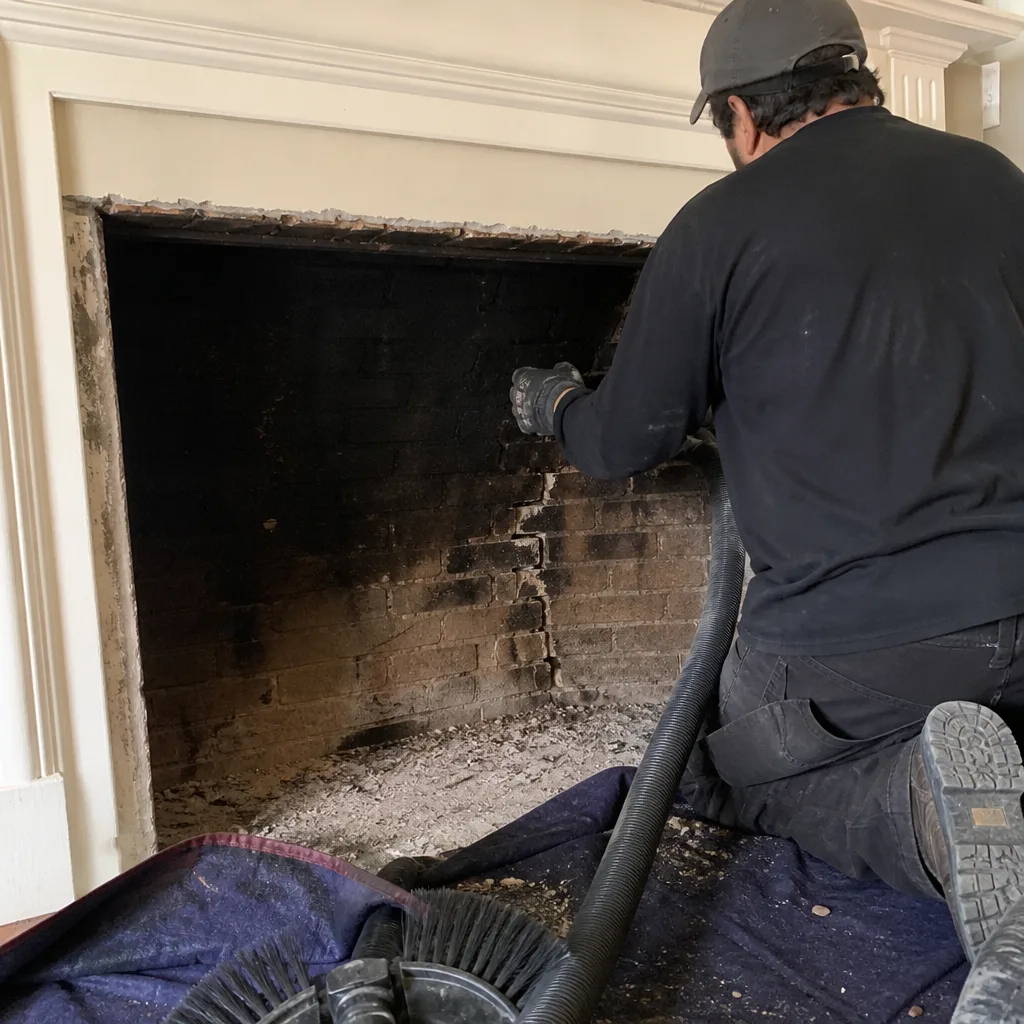 Before
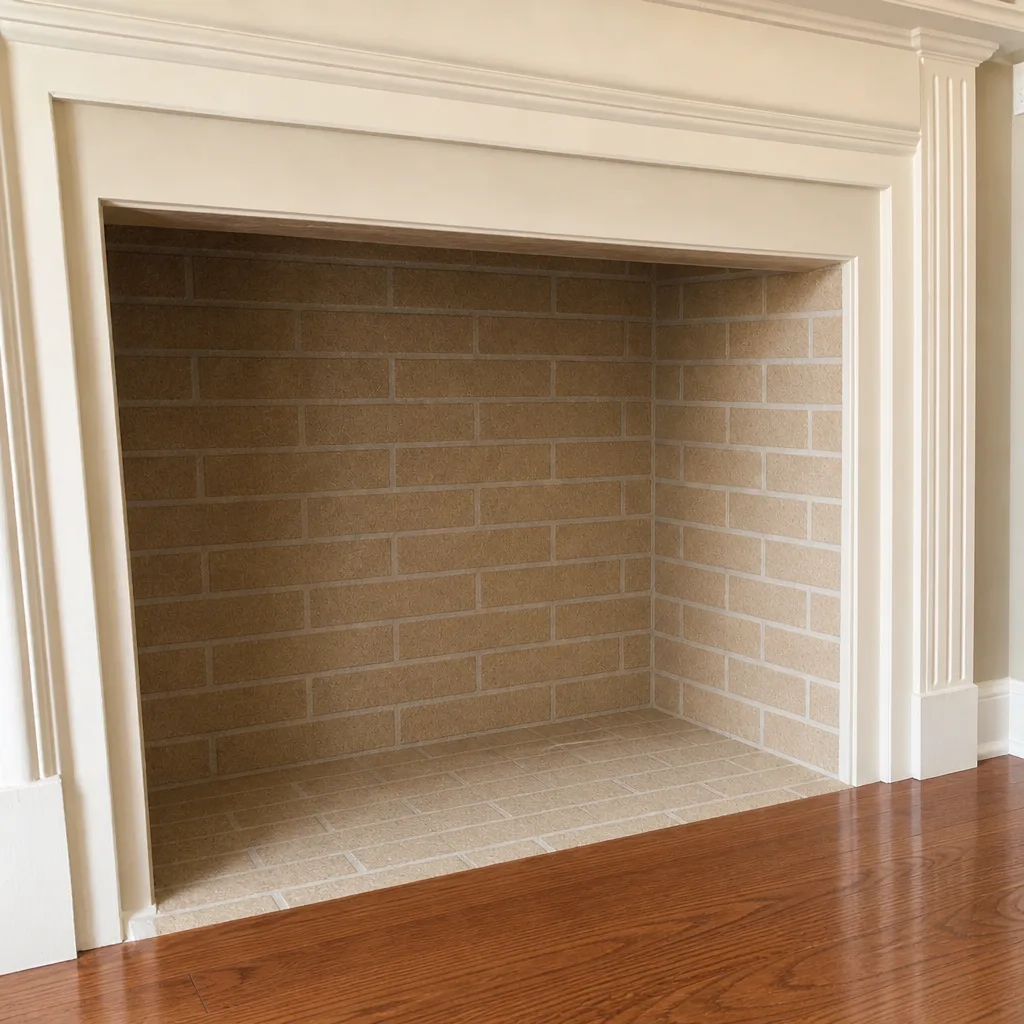 After
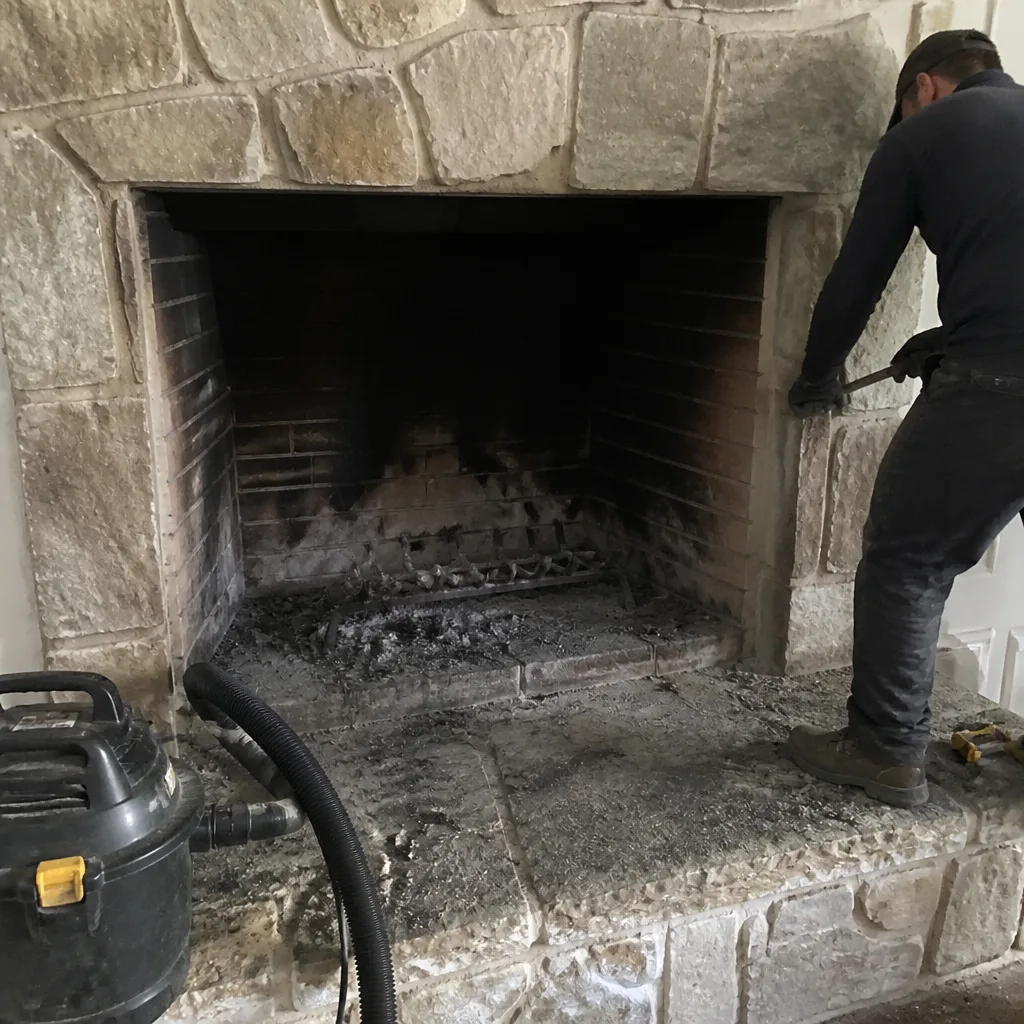 Before
 After
 Before
 After
When to Call a Professional
Some jobs are a phone call and some are a schedule check. Call when you smell a strong odor from the fireplace, see soot or creosote at the firebox, or notice smoke backing into the room. Call if you’ve had a chimney fire, even a small one you only suspect, or if the metro has logged an earthquake swarm and your chimney hasn’t been looked at since. Call when you’ve bought a home with an unknown chimney history, before you close if possible. Call in spring if the cap or crown is damaged, so it’s fixed before storm season. And call for your annual inspection, which is the one appointment that keeps all the others honest. Buckhead Chimney Sweep Pros offers free estimates in Buckhead; call (866) 947-8098. We answer 24/7. Fast dispatch from 7am to 7pm, Sunday through Friday.
Frequently Asked Questions
Sweep when the annual inspection shows creosote buildup worth removing, which for a moderately used Buckhead fireplace often means every season and for a lightly used one every few years. The inspection every year is the constant; the sweep interval follows it. Call (866) 947-8098 for an exact quote; estimates are free.
Yes. Annual inspection catches liner and crown problems that develop from weather and age, not just from burning, and light use doesn’t protect those parts. A lightly used Buckhead chimney can still have a cracked crown or a deteriorating liner after a hard summer. Call (866) 947-8098 to book an inspection; estimates are free.
Not necessarily. A Level 2 inspection with a video scan shows the actual condition of the liner, and sometimes the answer is resurfacing rather than replacement. We don’t recommend liner work without camera evidence you can see, and HeatShield ceramic resurfacing can restore a deteriorating liner in cases where replacement isn’t yet needed. Call (866) 947-8098 for an exact quote; estimates are free.
Creosote builds up and becomes harder to remove, and a liner or crown problem goes unnoticed until it’s grown. Skipping maintenance is how a minor issue becomes an expensive repair, and it raises the risk of a chimney fire. A clean, inspected chimney is a safety standard, not a luxury. Call (866) 947-8098 for an exact quote; estimates are free.
After any chimney fire, even a small one; after an event like an earthquake swarm or storm that could have damaged the chimney; when you’ve bought a home with an unknown chimney history; and when the liner is aging or you’ve switched fuel type. The video scan shows what a routine visual check can’t. Call (866) 947-8098 to schedule one; estimates are free.
Spring. Checking the cap and crown before summer storm season lets you catch a crack or a missing cap before months of rain work into the masonry. Fall is too late; by then the water damage has already had a summer to set in. We stock Gelco and Famco caps, so a same-visit replacement is often possible. Call (866) 947-8098 for an exact quote; estimates are free.
The Bottom Line
A single annual sweep is the floor of chimney maintenance, not the whole schedule. Your real calendar depends on how much you burn, what you burn, and the age of your liner: a lightly used fireplace may go a few years between sweeps, while a heavily used one needs checking more than once a season. Beyond sweeping, check the cap and crown each spring before storm season, have the liner checked before the first fall fire, and get a Level 2 inspection after any chimney fire, earthquake swarm, or other event that could have damaged the chimney. Track your own usage so the plan is built on data. If you’re not sure where your chimney stands, start with an inspection.
Ready for a Schedule Built Around Your Chimney?
Your entire chimney system, inspected, cleaned, and repaired in one call. We handle what most sweep companies have to turn away, from cap and crown work to liner restoration with HeatShield and DuraFlex, backed by trade-grade materials from DuraFlex, HeatShield, Gelco, and Olympia Chimney. Call (866) 947-8098 for a free estimate. We answer 24/7. Fast dispatch from 7am to 7pm, Sunday through Friday.
Written by the team at Buckhead Chimney Sweep Pros.