
Last updated November 24, 2026
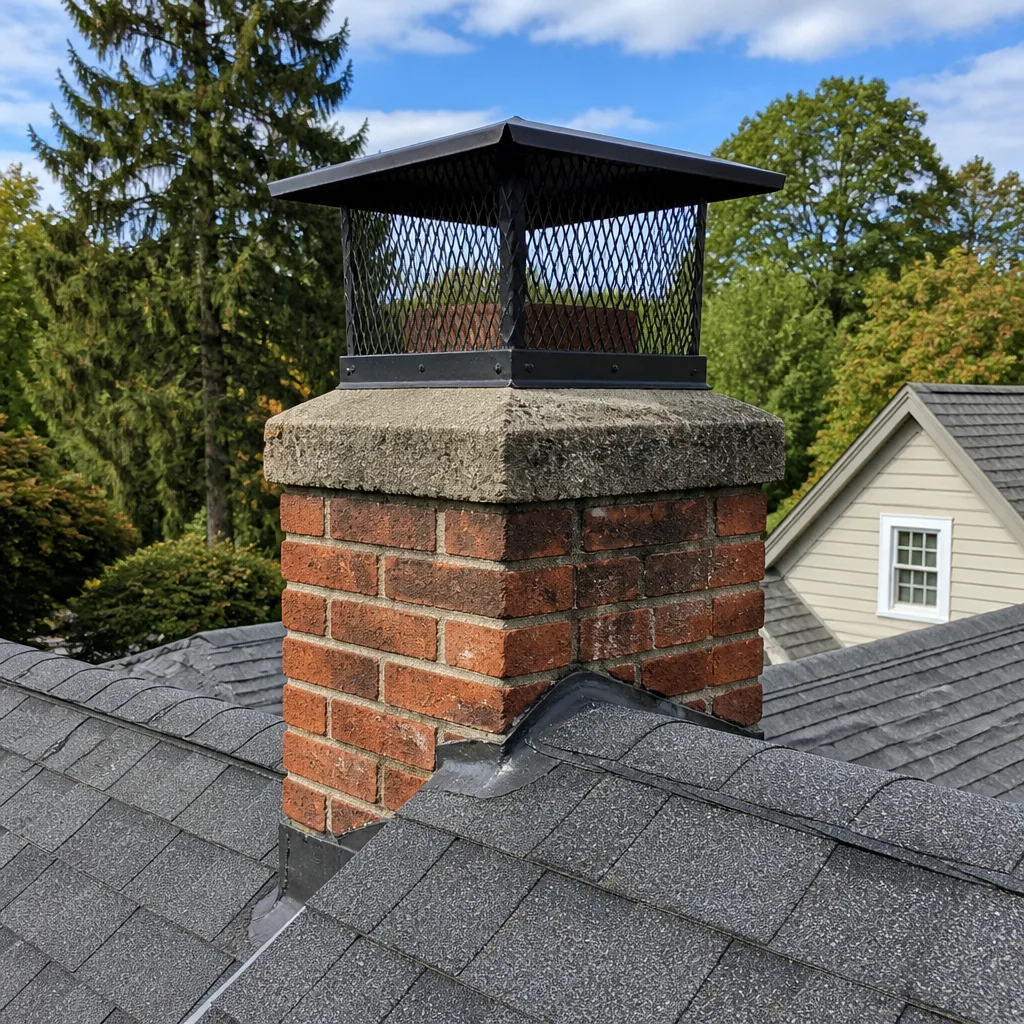 Sweep & inspection
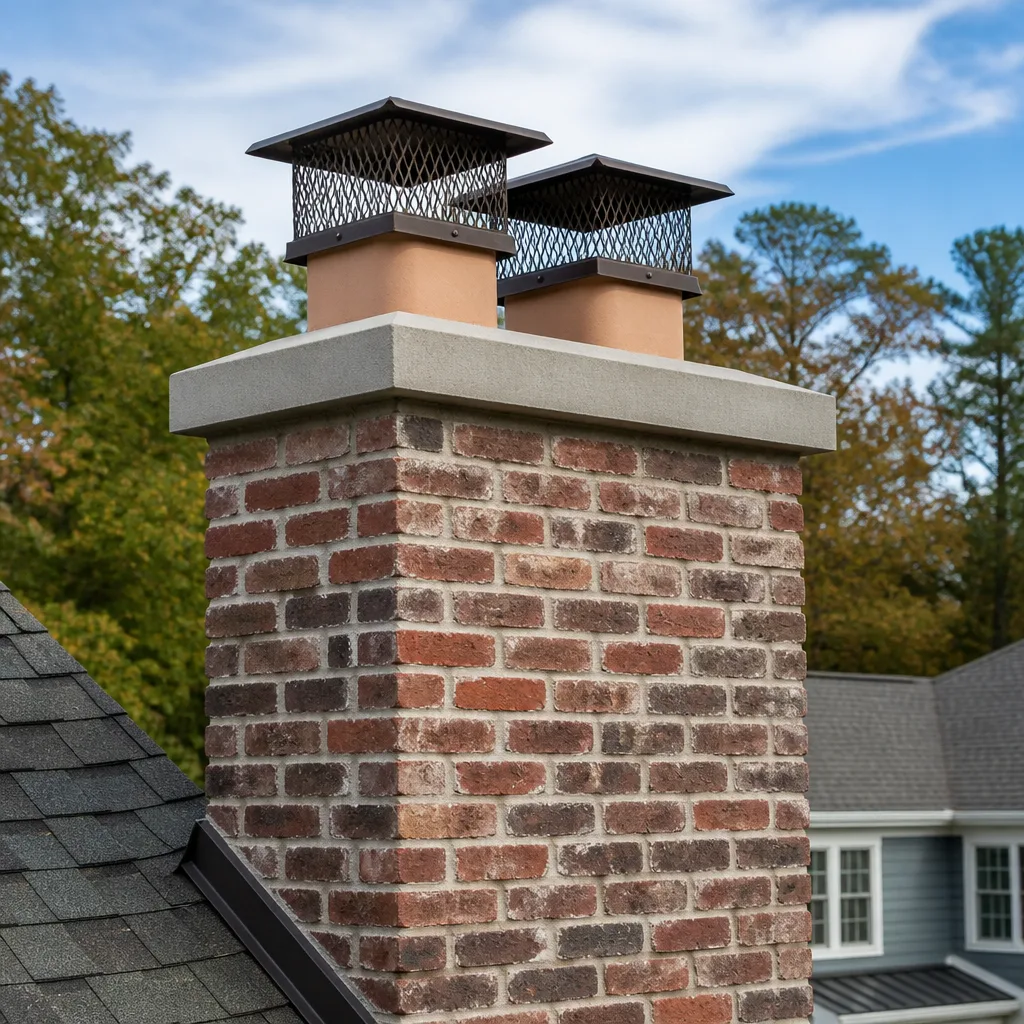 Caps & crowns
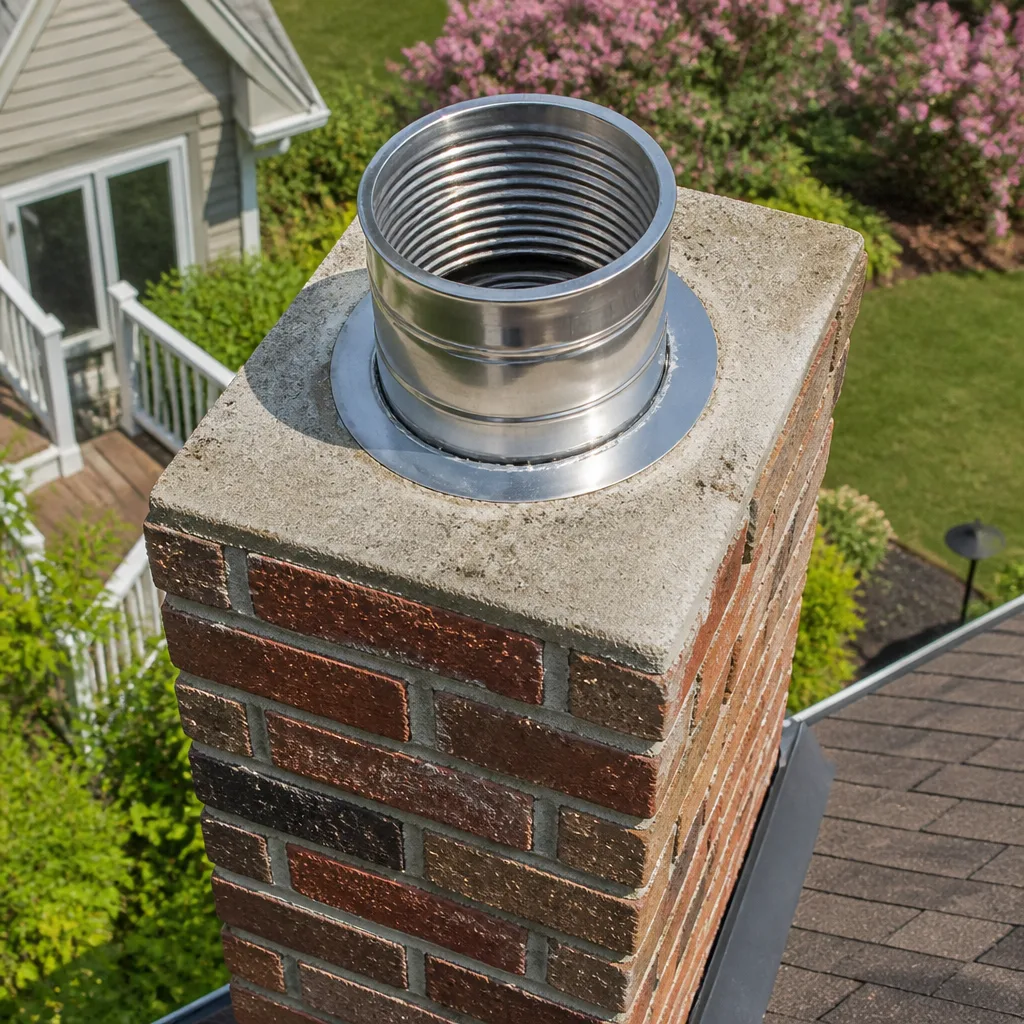 Flue relining
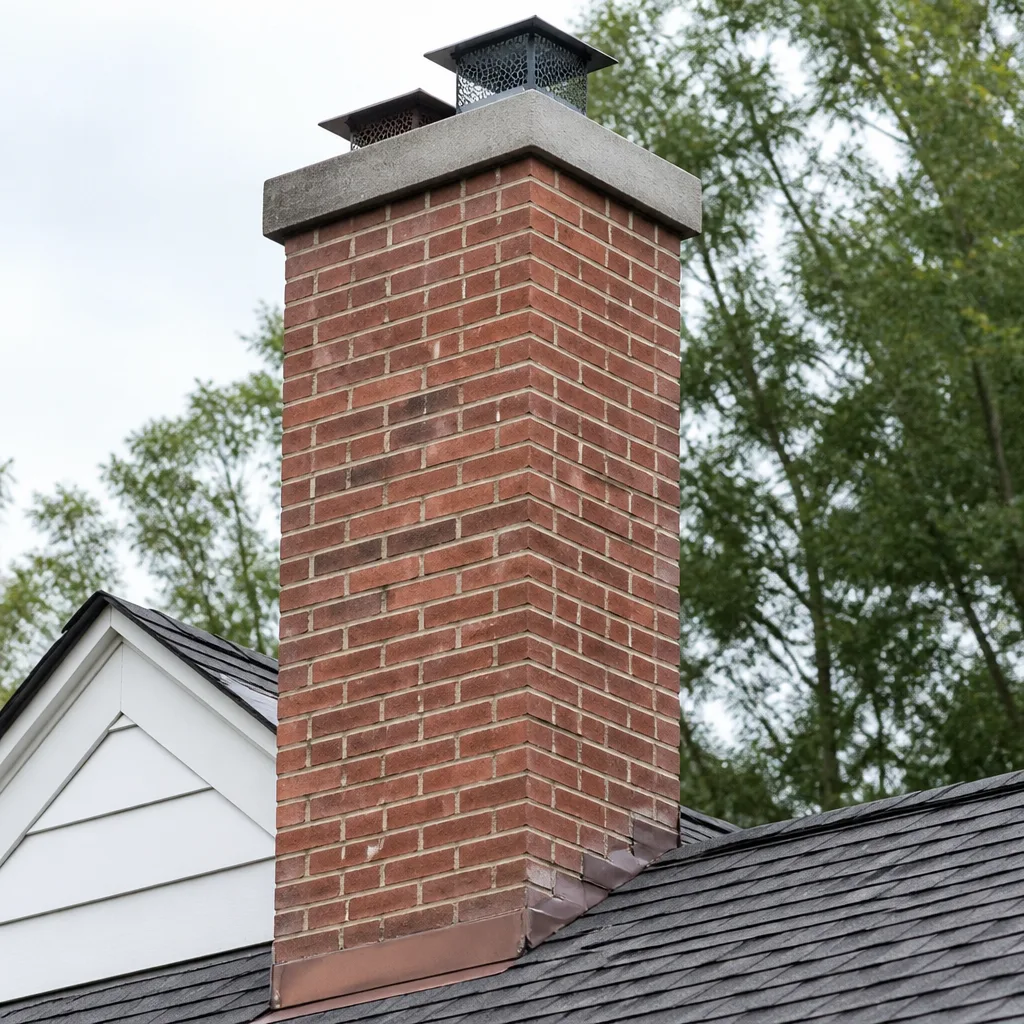 Masonry repair
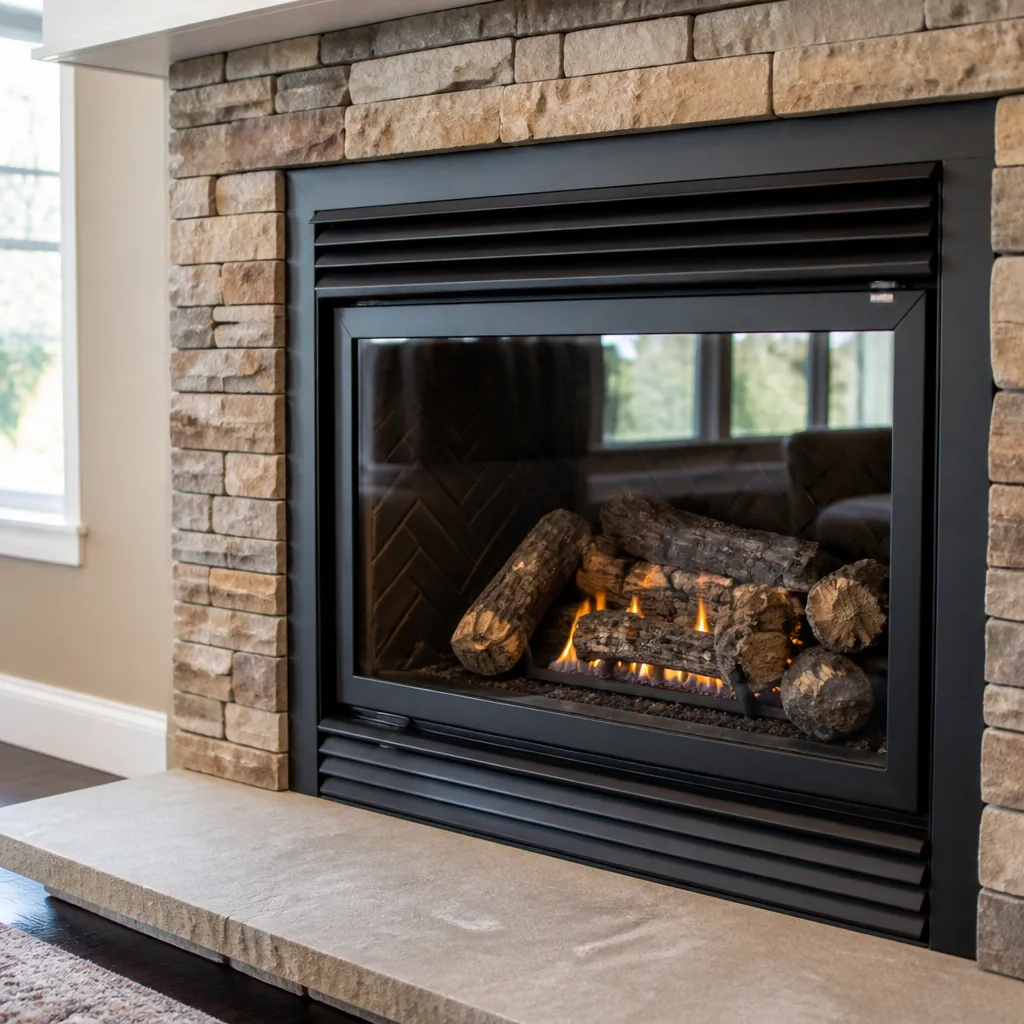 Gas fireplace service
Level 1 sweep and inspection to the NFPA 211 annual standard - flue, crown, cap, and flashing checked and photographed
Chimney sweep logs do not sweep chimneys. They loosen some creosote - which then falls where a brush and vacuum still have to collect it.
Chimney Cleaning Warning Signs: A Buckhead Homeowner’s Reference Guide
A white stain running down your chimney’s exterior brick isn’t a cosmetic issue. It’s efflorescence, and it means water is moving through your masonry from the inside out. What you’re seeing is mineral deposit evidence of active moisture intrusion that’s already happening behind the surface. That’s the thing about chimney problems: most of them announce themselves well before they become emergencies, but the signs get misread as minor house quirks. This guide teaches Buckhead homeowners to read those symptoms correctly, match them to the condition causing them, and know which ones mean “schedule soon” versus “don’t light another fire until someone looks at this.”
Quick Answer
Chimney warning signs in Buckhead fall into four categories: what you smell, what you see on the masonry or inside the firebox, how smoke behaves when you burn, and what you hear. Stains, spalling brick, rusted damper plates, and crumbling mortar joints are signs of moisture and age that need attention soon. Smoke rolling back into the room, a strong creosote smell even when the fireplace is cold, or a damaged flue liner are signs to stop using the fireplace until it’s inspected. The dangerous conditions – carbon monoxide from incomplete combustion and Stage 3 glazed creosote – often produce the fewest visible cues, which is why an annual inspection matters more than any symptom checklist.
Styles & brands we work with
- Sweep & inspection
- Caps & crowns
- Flue relining
- Masonry repair
- Gas fireplace service
Table of Contents
- The Symptom-to-Cause Reference: Reading Your Chimney’s Signals
- “Schedule Soon” vs. “Stop Using It Now”: Sorting the Signs
- Why the Most Dangerous Conditions Show the Fewest Warning Signs
- How Buckhead’s Older Homes Produce Specific Warning Patterns
- What Odor and Stain Colors Actually Tell You
- Reading Smoke Behavior and Chimney Sounds
- What to Tell a Technician When You Call
- Common Mistakes to Avoid
- When to Call a Professional
- Frequently Asked Questions
The Symptom-to-Cause Reference: Reading Your Chimney’s Signals
The most useful thing a homeowner can learn is which symptom points to which failure. A dark stain on the ceiling near the chimney is not the same problem as a dark stain on the exterior brick, and neither one is the same as a smoky firebox. Here’s how we map the common signals to the conditions behind them.
- White, chalky staining on exterior brick: efflorescence, which points to water moving through the masonry. The source is usually a failed crown, a missing or damaged cap, or gaps in the mortar joints.
- Dark brown or black staining on exterior brick or the ceiling: smoke or creosote escaping the flue, often from a cracked liner, a gap at the flue tile joints, or a flue that’s undersized for the fireplace.
- Rust on the damper, firebox grate, or damper plate: moisture entering the flue from above, typically through an uncapped or poorly capped chimney.
- Strong creosote smell even when the fireplace is cold: creosote accumulation in the flue, often combined with negative pressure pulling odors back into the house.
- Smoke rolling into the room instead of up the flue: a blockage, a damaged liner, a chimney that’s too short for the roof line, or pressure imbalances inside the house.
- Crumbling mortar joints or flaking brick faces: spalling and mortar deterioration, both driven by freeze-thaw cycles and moisture.
- Loose or missing chimney cap: an open flue that lets in rain, animals, and debris, which then compounds into every other problem on this list.
When you call us, describing which of these you’re seeing helps us decide whether a standard chimney sweep is the right scope or whether you need a Level II camera inspection. If you’re seeing staining or spalling, we route the call toward the full system check, not just a cleaning.
“Schedule Soon” vs. “Stop Using It Now”: Sorting the Signs
Not every warning sign carries the same urgency, and treating them all the same causes two problems: people panic over cosmetic issues, and they ignore serious ones because they’ve been told everything is serious. Here’s how we sort them.
Schedule soon
- Efflorescence or white staining on the exterior brick
- A missing or loose cap
- Hairline cracks in the crown
- Minor spalling on the chimney exterior
- A damper that no longer seals tightly
- One cleaning overdue by a season
These are moisture and maintenance issues. They won’t hurt you tonight, but they get worse with every rain and every freeze. In Buckhead’s climate, where we get steady spring rain followed by cold snaps, water intrusion compounds quickly into mortar damage and eventually into structural cracks. Scheduling these within the season is the right move.
Stop using it now
- Smoke rolling back into the room during a burn
- A strong creosote smell when the fireplace is cold
- Visible cracks in the firebox or flue tiles
- Any sign of glazed, shiny creosote on the flue walls
- A damaged or missing damper that won’t close
- Water actively entering the firebox
- Any suspicion of a carbon monoxide issue in the home
These indicate that the flue isn’t doing its job: containing combustion gases and moving them out. Light another fire and you’re burning into a compromised system. Wait for the inspection to clear it.
Why the Most Dangerous Conditions Show the Fewest Warning Signs
This is the part that surprises people most. The two conditions that cause the worst outcomes – carbon monoxide from incomplete combustion and Stage 3 glazed creosote – are also the two that give you the least to see or smell.
Carbon monoxide is colorless and odorless. A wood-burning fireplace that’s burning inefficiently, or a gas fireplace with a blocked or disconnected vent, can put CO into the living space without any warning a homeowner would notice. The only reliable signal is a working CO detector and an annual inspection that confirms the flue is drawing correctly. We’ve seen cases where the fire burned beautifully and looked perfect, while the flue was quietly venting in the wrong direction.
Stage 3 creosote is the other quiet one. Most creosote is light, flaky, and easily removed during a sweep. But under certain burn conditions – restricted air, unseasoned wood, cool flue temperatures – creosote deposits can harden into a shiny, glazed layer that bonds to the flue wall. Once it reaches that stage, it’s highly combustible and it’s hard to see unless someone is looking up the flue with a light and a camera. A homeowner can have a chimney that looks clean from the firebox and is coated with glazed creosote above the smoke chamber.
Both conditions are why we push for inspection over symptom-spotting. A camera inspection and photo report included with the sweep lets you see exactly what’s up there. When we recommend liner work, it’s because the photo shows a condition that needs it, not because a technician said so.
How Buckhead’s Older Homes Produce Specific Warning Patterns
Buckhead has a wide range of housing stock, and the warning signs we see track closely with construction era. A 1920s bungalow in Peachtree Heights doesn’t fail the same way a 1990s build in Pine Hills does.
Pre-war homes (roughly 1900s-1940s): solid brick chimneys with mortar joints that have had a century of expansion and contraction. The most common pattern we see is spalling brick faces combined with receded mortar joints on the exterior. The interior flues in these homes are often unlined clay tile with gaps at the joints, which is where smoke can escape into the framing cavity. Rusted damper plates are common because these dampers were typically cast iron and have had decades of moisture exposure.
Mid-century homes (1950s-1970s): the chimneys are often simpler in construction, but the flues are frequently undersized by today’s standards. The warning pattern is smoke that rolls back even when the flue is clean, because the flue diameter doesn’t match the fireplace opening.
1970s-1990s builds: the crown often shows the most wear, particularly where it wasn’t poured with proper slope. Cracks in the crown let water in, and a crack in the crown becomes water in the firebox within a season or two.
Newer construction: manufactured fireplaces with metal flues. These have their own failure modes, including damaged caps, rusted chase covers, and failed termination screens. The warning sign is usually moisture staining on the chase exterior or a cap that’s been blown off in a storm.
Whatever era your home is from, the fix is the same: inspect, document, and match the repair to the actual condition. We work with professional-grade materials including DuraFlex flexible liners and HeatShield ceramic resurfacing because those are the products that match the range of flue conditions we find across Buckhead.
What Odor and Stain Colors Actually Tell You
Smell and color are two of the most informative diagnostic tools a homeowner has, but they get read wrong all the time. Here’s how we interpret them.
Odor
- Smoky, campfire smell in the house when the fireplace is not in use: negative pressure combined with creosote in the flue. The house is pulling air down the chimney instead of pushing it up.
- Strong, acrid, chemical smell: often a sign of glazed creosote or a flue that’s restricted and drawing poorly.
- Musty, damp smell: water intrusion. The chimney is letting moisture in through the crown, cap, or masonry, and the flue is staying damp.
- Gas smell near a gas fireplace: stop using the fireplace and call your gas utility immediately. This is not a chimney issue you diagnose with a flashlight.
Stain color
- White, chalky, powdery: efflorescence, indicating water moving through the masonry.
- Brown or amber rings, often near the ceiling: water stains from a leak, usually starting at the roof line around the flashing.
- Black soot staining on the brick face: smoke spilling from the flue system. Points toward a liner or pressure problem.
- Rust-colored staining below the damper: water in the flue, rusting the metal components.
- Green or copper-colored staining: corroding metal components in the chimney system.
If you’re seeing white efflorescence, that’s a call for the crown and cap to be evaluated together. We stock Gelco and Famco caps so we can often replace a failed cap on the same visit rather than scheduling a return trip.
Reading Smoke Behavior and Chimney Sounds
How a fire burns and what a chimney sounds like when the house is quiet are two more diagnostic signals most homeowners never use.
Smoke behavior
- Smoke that starts well, then rolls back after 15-20 minutes: often a flue that heats up and the pressure flips. Points toward a chimney height issue or an undersized flue.
- Smoke that rolls back immediately: a blockage, a damaged liner, or the flue isn’t drafting at all.
- Smoke that spills only on windy days: a pressure problem, often caused by the roof line or nearby trees, and sometimes by a chimney that’s not tall enough relative to the roof.
- Smoke that smells harsh and lingers: incomplete combustion, often from wet wood or a flue that’s not getting hot enough.
Sounds
- Rattling or scratching inside the flue: animals or debris. An uncapped chimney is an open door for birds and squirrels.
- Whistling or howling when the fire is burning or on windy days: air moving through a gap or a damaged liner.
- Popping or crackling that continues after the fire is out: not a normal burn. Have it inspected.
- Hollow tapping sounds when the exterior chimney is tapped: spalling brick or delaminating mortar. Sounds like a crust on the surface.
If you hear an animal or suspect a blockage, don’t light a fire to test it. Call and ask for an inspection with a camera. A bird’s nest in a flue is a fire risk and can’t be cleared from the firebox.
What to Tell a Technician When You Call
What you describe on the phone determines what kind of appointment gets booked, and the right scope of inspection saves you a second visit. Here’s what helps most.
- Location of the fireplace or stove (which room, and whether there are multiple flues in the same chimney).
- Fuel type: wood, gas logs, gas insert, or pellet.
- What you’re seeing: describe the stain color and location, whether it’s on the exterior or interior, and whether it’s new or has been there a while.
- What you’re smelling: note whether the smell is present when the fireplace is cold, when it’s burning, or both.
- Smoke behavior: when smoke rolls back, does it happen on start-up, after 20 minutes, only on windy days, or every time?
- Sounds: rattling, scratching, whistling, and when it happens.
- Fireplace history: when it was last swept (or if you don’t know), whether the home was recently purchased with an unknown chimney history, and any recent work done.
If you have photos of staining or spalling, text them to us or have them ready. Photos often tell us within a minute whether the appointment should be scoped as a standard chimney sweep or as a Level II inspection with camera documentation for a repair estimate.
Common Mistakes to Avoid
- Treating efflorescence as a cosmetic problem. White staining on brick is the exterior symptom of a moisture path that runs through your masonry, and painting over it hides the evidence without fixing the source.
- Burning to “test” a suspected flue problem. If you’re wondering whether the smoke backdraft is real, that’s the answer. Don’t light a fire to confirm it.
- Assuming a swept chimney is a safe chimney. A sweep removes creosote and debris. It doesn’t tell you whether the flue tiles are cracked or whether the crown is letting water in. That’s the inspection.
- Skipping the cap because “we’ll get to it later.” An uncapped flue in Buckhead lets in water, animals, and debris year-round, and the damage compounds every season you wait.
- Assuming the gas fireplace is maintenance-free. Gas fireplaces still need the flue inspected. Vents clog, terminations fail, and the combustion byproducts still have to leave the house safely.
- Waiting for smoke problems before booking an inspection. The two most dangerous conditions – carbon monoxide and Stage 3 glazed creosote – typically don’t produce a visible symptom until they’re already a hazard.
- Calling a general handyman for a chimney issue. Chimney work requires a specialist who can read a flue camera, evaluate liner condition, and perform a repair that matches the actual failure. A handyman with a brush does not diagnose a liner.
When to Call a Professional
Call a chimney professional when you smell creosote in a cold fireplace, see white efflorescence on the exterior brick, have cracking or spalling on the chimney structure, notice rust on the damper or firebox components, or experience any backdraft during a burn. Call if the fireplace hasn’t been inspected in over a year, if you recently bought a home with an unknown chimney history, or if you’re selling and need documentation of the chimney’s condition for the buyer or the insurer. Also call if you see staining on a ceiling near the chimney or water in the firebox after a storm.
Buckhead Chimney Sweep Pros offers free estimates in Buckhead, and our technicians have up to 14 years of experience reading exactly these signals. Call (866) 947-8098. We answer 24/7. Fast dispatch from 7am to 7pm, Sunday through Friday.
Frequently Asked Questions
The earliest signs are usually white efflorescence on the exterior brick, a creosote smell when the fireplace is cold, and rust appearing on the damper or firebox components. These are moisture and creosote signals that show up before a fire safety issue develops. Call (866) 947-8098 for a free estimate if you’re seeing any of them.
A cleaning removes creosote and debris from a flue that’s structurally sound. A repair is needed when the inspection finds a cracked liner, a failed crown, spalling brick, or a damaged cap. The only way to know which you need is a camera inspection with a photo report – anything else is a guess.
Yes, it’s serious enough to schedule an inspection. The white stain is efflorescence, which means water is moving through the masonry from inside out. Left alone, it leads to spalling brick and mortar deterioration. It won’t hurt you tonight, but it does need attention this season.
A smoky smell in a cold fireplace usually means creosote is built up in the flue and the house is pulling air down the chimney rather than pushing it up. Negative pressure from the house’s ventilation or a flue that’s blocked can also cause it. The fix depends on which it is, so an inspection comes first.
Yes, and it’s one of the “stop using it now” signs. Smoke that rolls back into the room means the flue isn’t doing its job – either it’s blocked, damaged, undersized, or the pressure has flipped. Don’t light another fire until it’s inspected.
Once a year, and after any chimney fire or major storm. An annual inspection catches the conditions that don’t produce a visible warning sign – cracked liner tiles, early glazed creosote, and water intrusion before it reaches the framing. Call (866) 947-8098 to book one.
The Bottom Line
Your chimney talks to you long before it becomes an emergency, but only if you know how to listen. White stains, brown stains, creosote smells, smoke that rolls back, rust on the damper, spalling brick, and whistling sounds are all diagnostic signals tied to specific conditions behind them. The most dangerous conditions – carbon monoxide and Stage 3 glazed creosote – give you the least to see, which is why the annual inspection matters far more than any symptom checklist. Read the signs, sort them into “schedule soon” and “stop using it now,” and get eyes on the flue before you light the next fire.
Buckhead Chimney Sweep Pros works with trade-grade materials from DuraFlex, HeatShield, Gelco, and Copperfield, and we handle everything from chimney cap & crown work to fireplace repair and liner restoration. Your entire chimney system – cleaned, inspected, and repaired in one call. Call (866) 947-8098 for a free estimate. We answer 24/7. Fast dispatch from 7am to 7pm, Sunday through Friday.
Written by the team at Buckhead Chimney Sweep Pros.
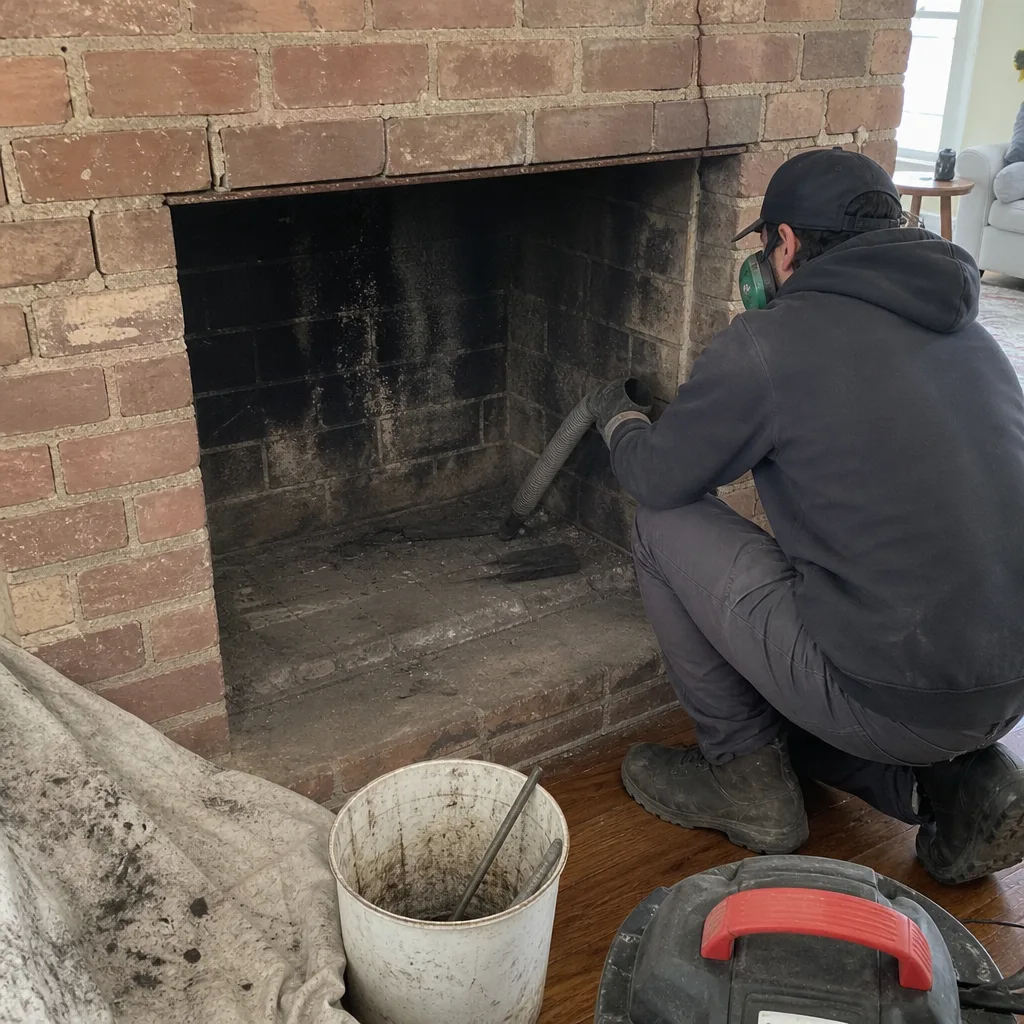
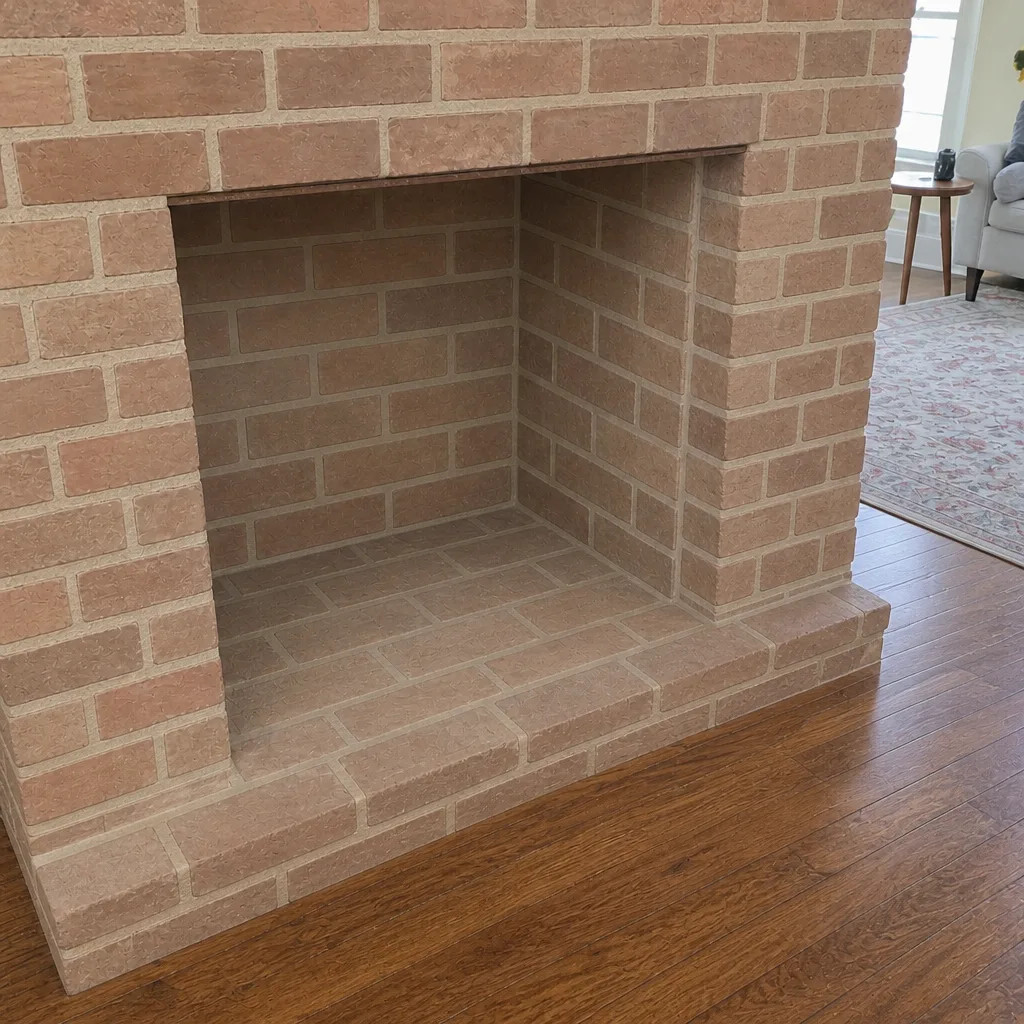
See the difference
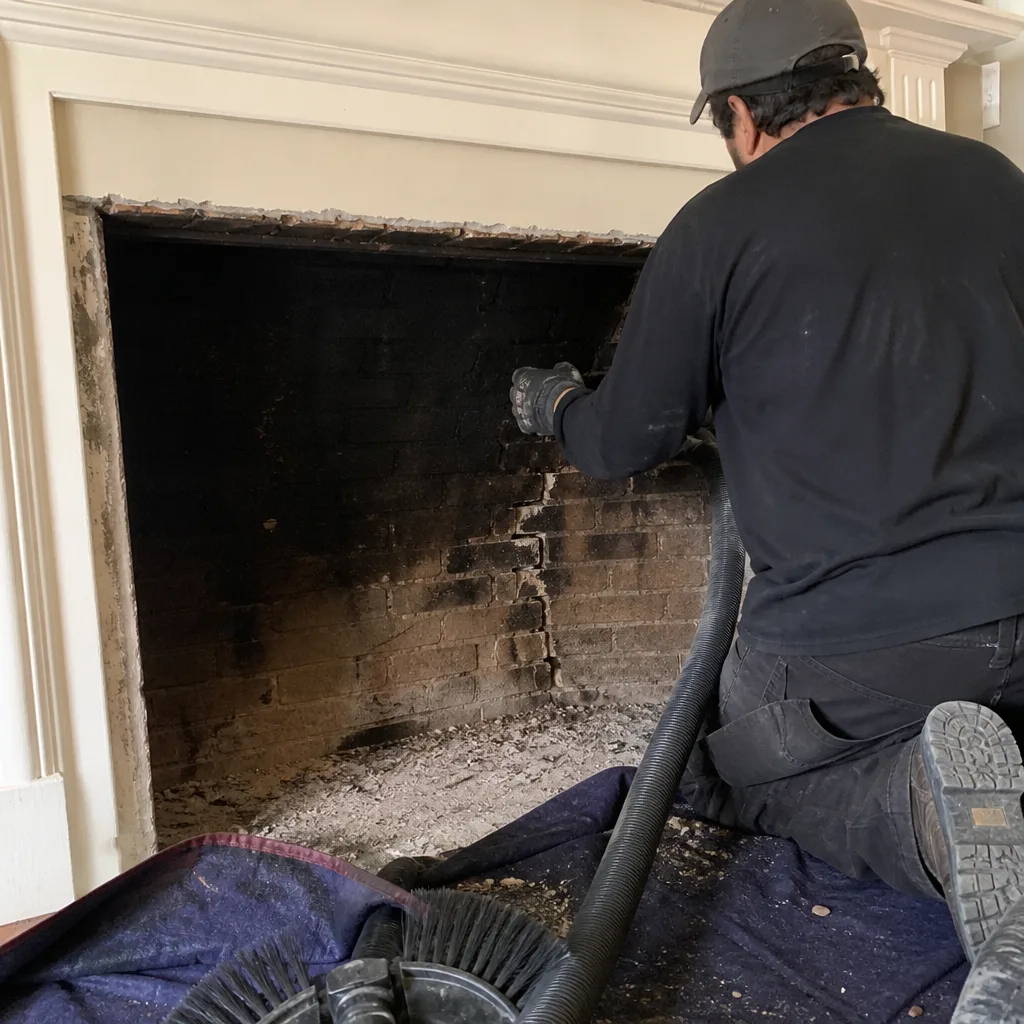 Before
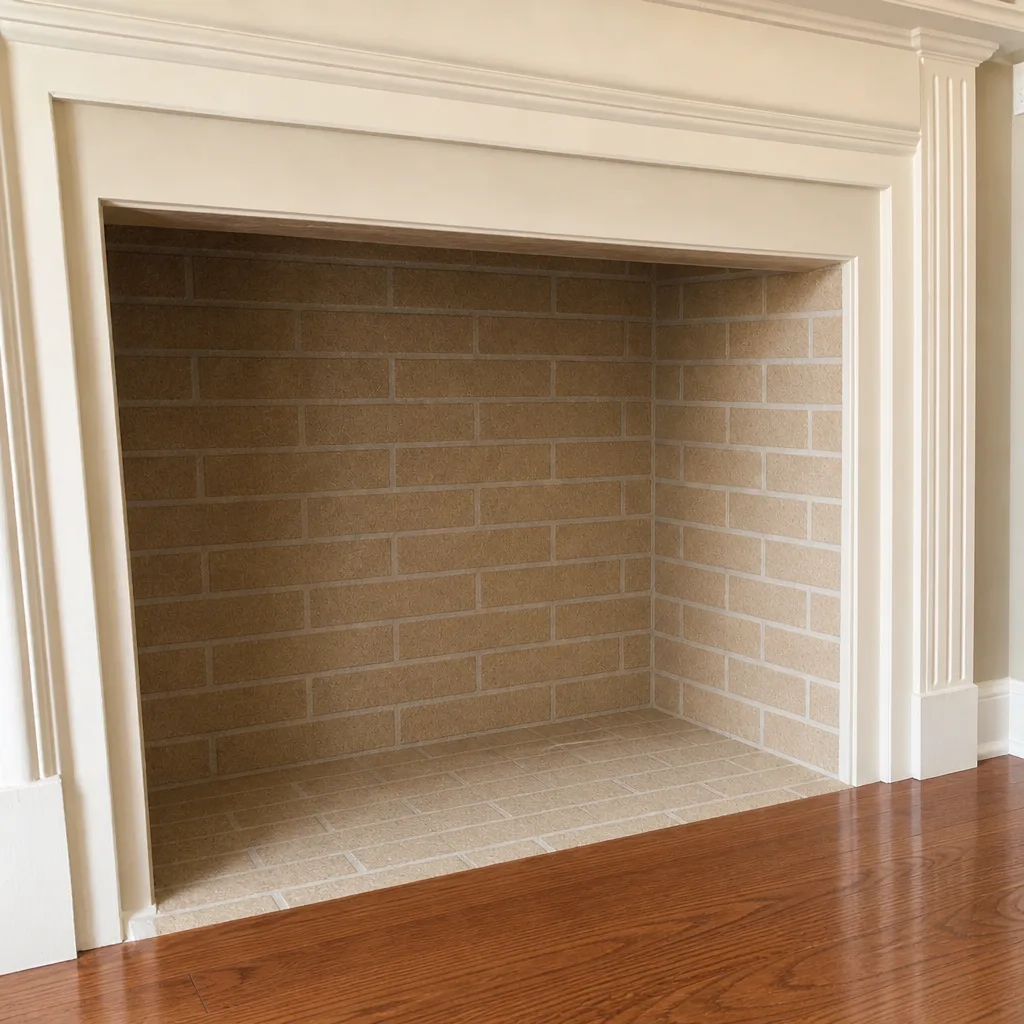 After
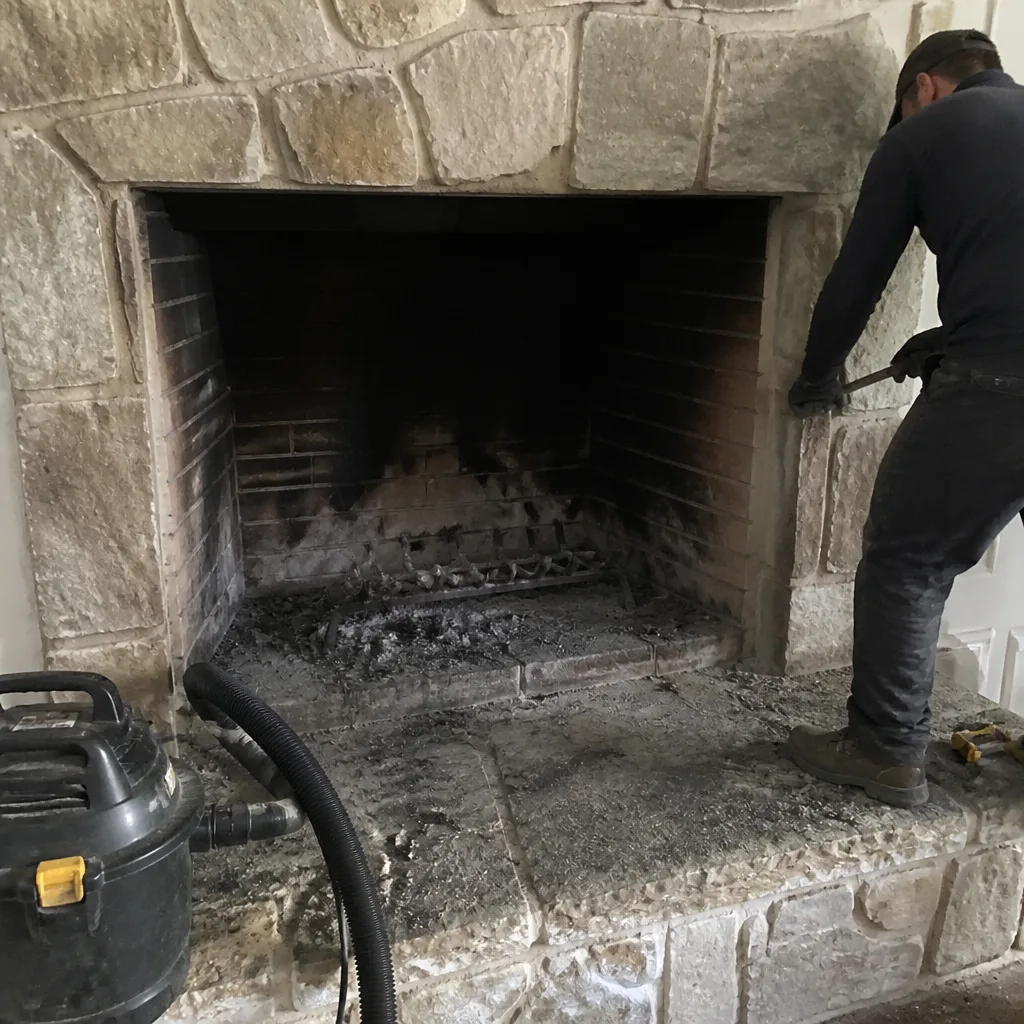 Before
 After
 Before
 After