
Last updated November 24, 2026
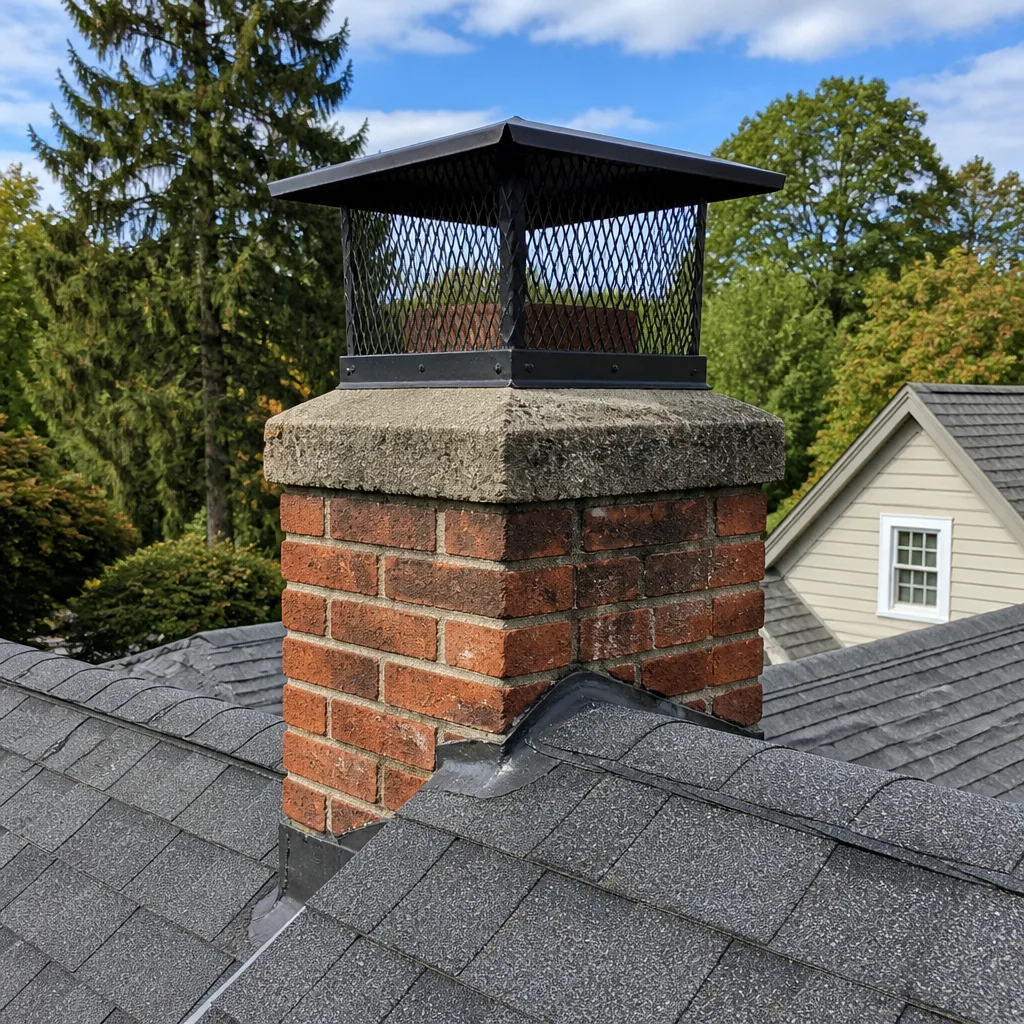 Sweep & inspection
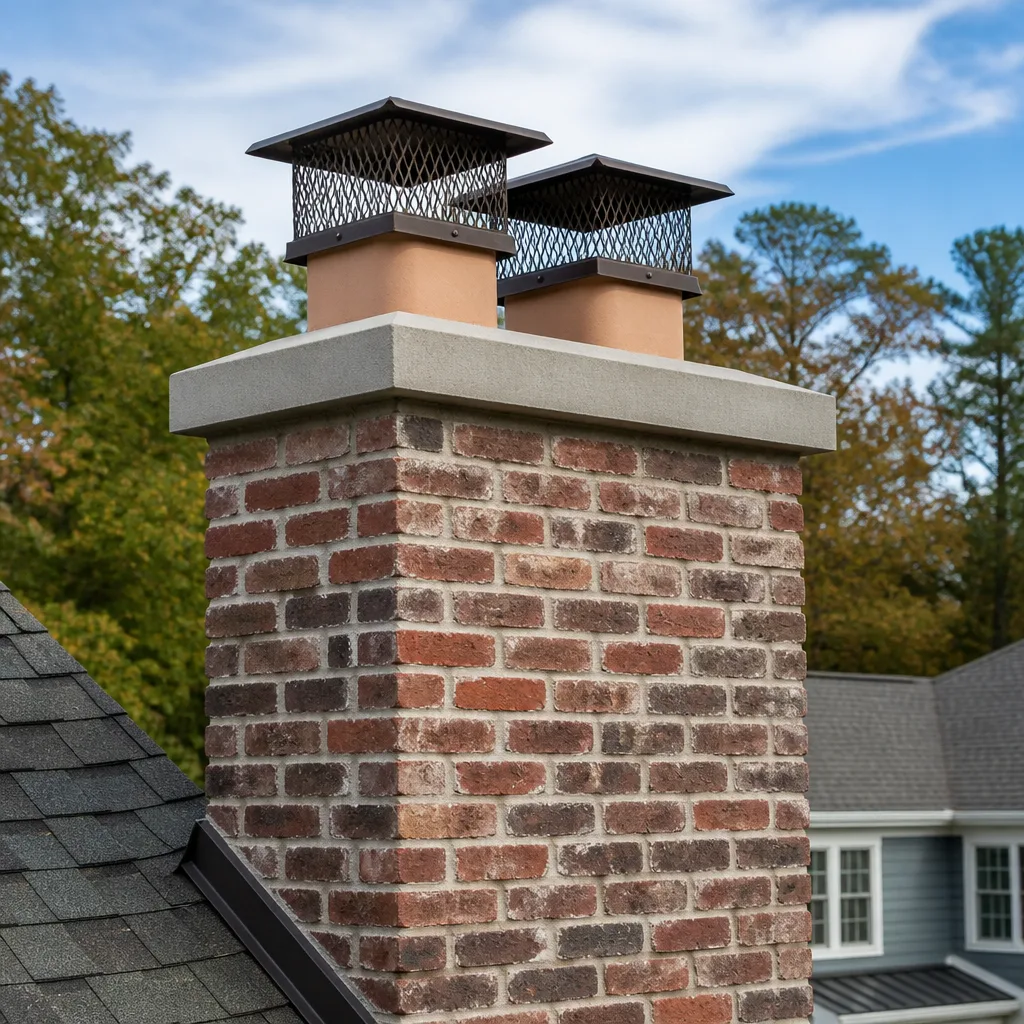 Caps & crowns
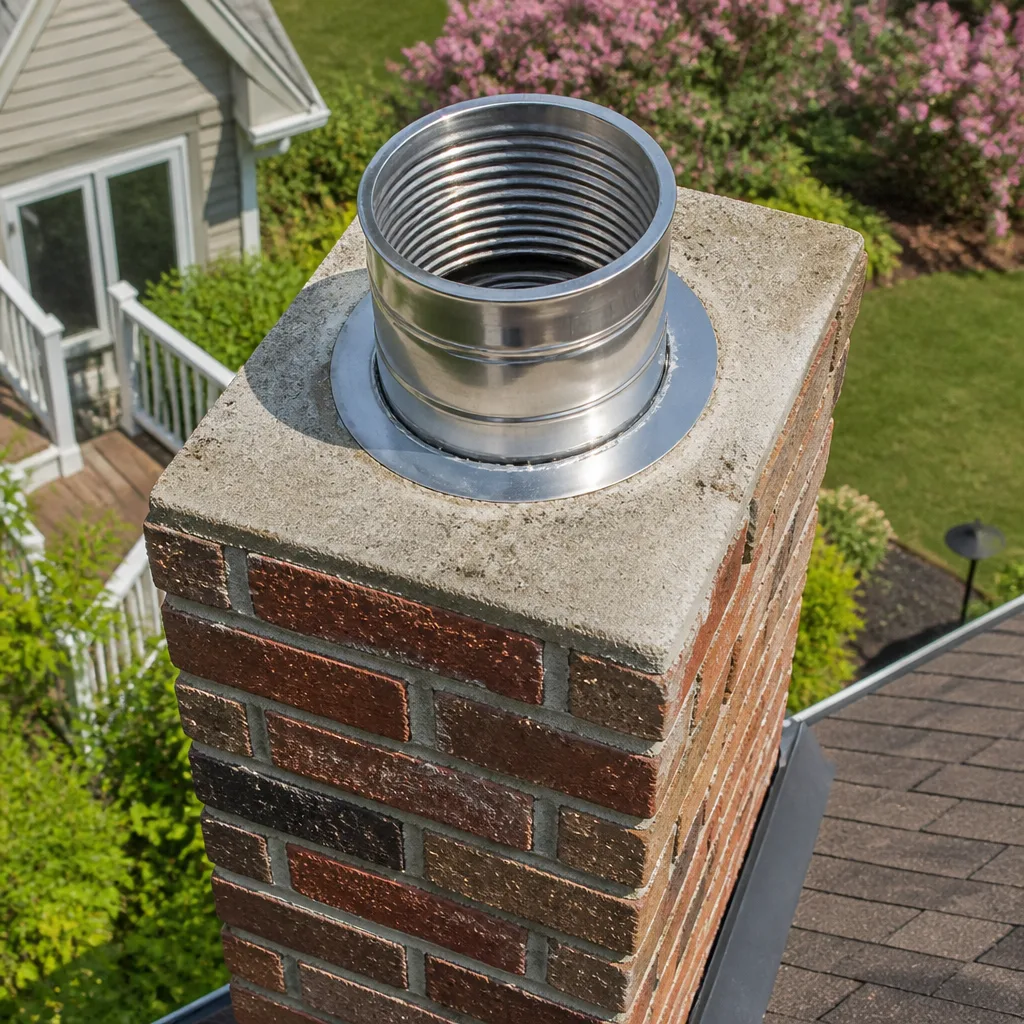 Flue relining
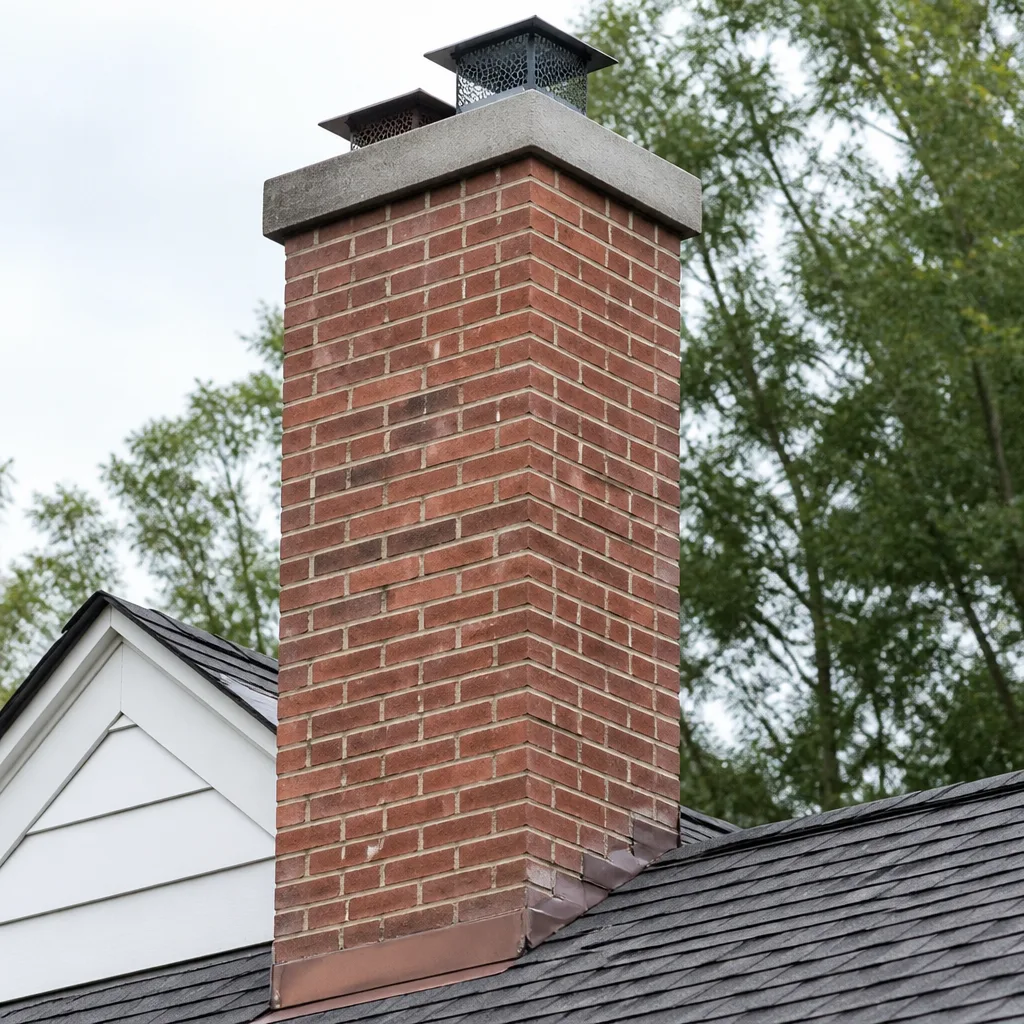 Masonry repair
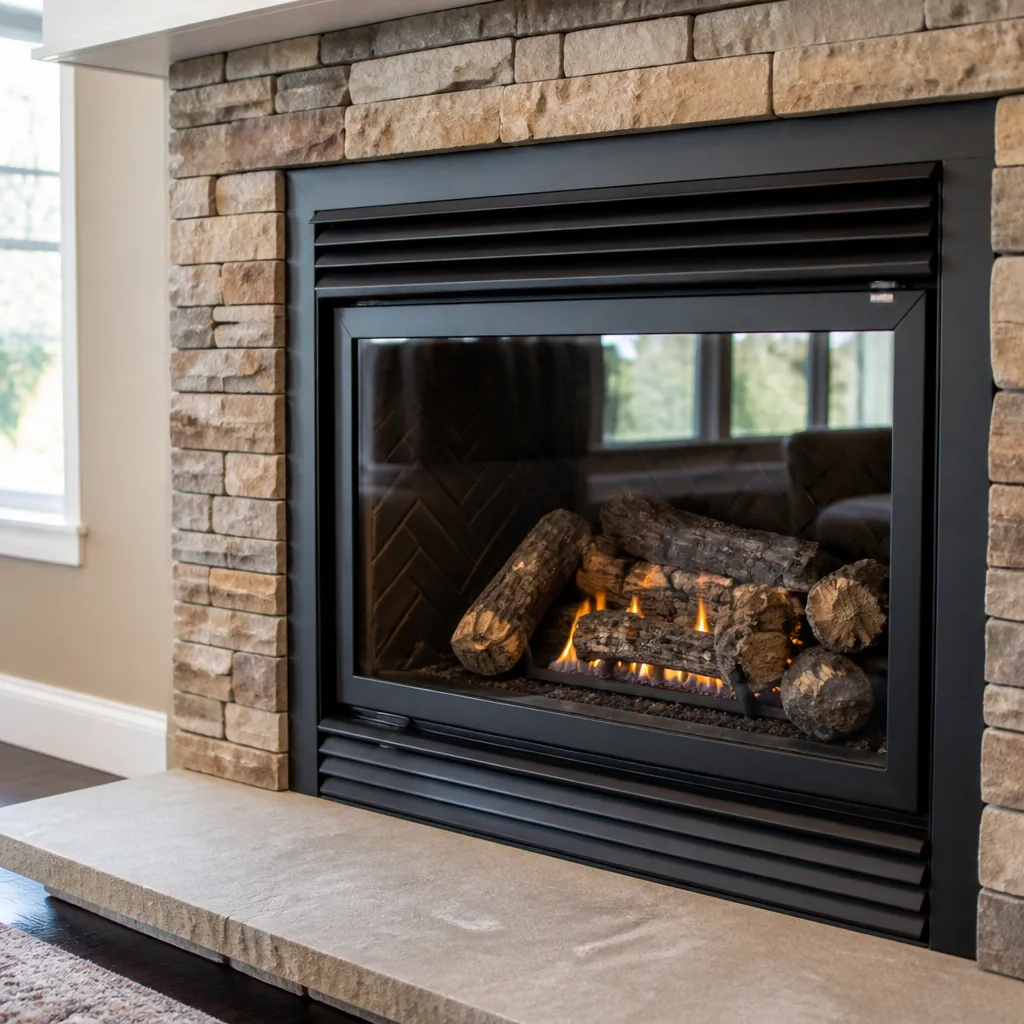 Gas fireplace service
Level 1 sweep and inspection to the NFPA 211 annual standard - flue, crown, cap, and flashing checked and photographed
Chimney sweep logs do not sweep chimneys. They loosen some creosote - which then falls where a brush and vacuum still have to collect it.
Chimney Sweep Maintenance Checklist for Buckhead Homeowners
There are five components in a chimney system that fail independently of each other, and most checklists homeowners find online address exactly one of them: the flue. The crown, cap, flashing, and firebox get ignored, and in our experience those are the parts behind the majority of water damage we see in Buckhead chimneys. A chimney doesn’t decay in one dramatic event. It loses a little at a time to rain, heat cycling, and clay that swells and cracks. This guide gives you a real checklist, system by system, built around what actually degrades in a Georgia chimney rather than a generic list repackaged from a northern fireplace pamphlet. You’ll learn what you can spot with a flashlight and what needs a camera inspection.
Quick Answer
A complete chimney maintenance checklist covers six components: firebox, damper, liner, crown, cap, and flashing. You can visually check all six with a flashlight, but only a camera inspection can confirm liner and interior flue condition. In Buckhead, the checklist should run three times a year: before the first fall fire, after winter burn season, and after summer storm season.
Styles & brands we work with
- Sweep & inspection
- Caps & crowns
- Flue relining
- Masonry repair
- Gas fireplace service
Table of Contents
- Why Buckhead Chimneys Fail Differently
- The Firebox and Damper: What to Look For
- The Liner: Homeowner Signs vs. Camera Signs
- The Crown and Cap: The Water Damage Pair
- Flashing and the Roof Line
- Seasonal Timing for Buckhead
- Documenting Chimney Condition Year Over Year
- Red Flags: When Maintenance Crosses Into Repair
Why Buckhead Chimneys Fail Differently
Buckhead sits in a climate that punishes masonry in a specific way. Our summers are long, humid, and storm-driven; our winters are mild enough that many homeowners burn intermittently rather than steadily. That combination produces a failure pattern you don’t see in colder, drier parts of the country.
In a hard-freeze climate, chimneys get long, deep cold snaps that wick moisture consistently. In Buckhead, we get repeated wet-dry cycles: three inches of rain in an afternoon, then a week of sun, then more rain. Masonry absorbs that moisture and releases it, over and over. Every cycle expands and contracts the clay and mortar joints slightly. That’s why crown cracks and mortar joint failure show up here on chimneys that aren’t very old.
The other local factor is tree canopy. Buckhead’s mature oaks and pines drop debris into caps and onto crowns year-round, and that trapped debris holds moisture against the masonry. A chimney under a heavy canopy gets less air circulation and stays wetter longer after a storm. We see compromised caps on Buckhead homes much more often than the age of the chimney would suggest.
A checklist built for a Minnesota chimney won’t catch any of this. Yours needs to account for our storm season, our humidity, and our tree cover. That’s the frame for everything below.
The Firebox and Damper: What to Look For
Start inside the house, because the firebox gives you the clearest early warnings with nothing but a flashlight. The firebox is the masonry box where the fire burns; the damper is the metal plate above it that opens and closes the flue. Both are accessible to any homeowner without tools.
Here’s what to check in the firebox:
- Cracks in the firebrick. Hairline cracks in the brick itself are common and often cosmetic. Cracks in the mortar joints between bricks, especially wide or crumbly joints, mean the firebox is deteriorating.
- Missing or loose firebrick. A brick that rocks or has fallen out lets heat reach the masonry behind it, which is a structural concern, not a cosmetic one.
- White staining or efflorescence. A chalky white deposit on the firebox walls can indicate moisture moving through the masonry. Worth noting and re-checking.
- Rust on the damper. The damper plate should open and close smoothly. A damper that sticks, grinds, or won’t fully seat lets heat escape up the flue and lets cold air down.
- Ash and creosote buildup on the smoke shelf. The shelf behind the damper collects debris; a heavy buildup there restricts draft.
One caution: don’t reach your hand up into the smoke chamber or damper area to feel around. There can be sharp edges, and you can’t see what you’re touching. Use the flashlight and a mirror on an extension if you want a better look, and leave anything above the damper to a professional sweep.
If your firebox is showing loose brick or crumbling joints, that’s a fireplace repair conversation, not a cleaning one. Most Buckhead firebox repairs are straightforward when caught early and much more involved when the surrounding masonry has been heat-stressed for years.
The Liner: Homeowner Signs vs. Camera Signs
The liner is the flue surface the smoke travels up, and it’s where the divide between “what you can see” and “what needs a camera” is sharpest. A homeowner can spot a few liner symptoms from the firebox; only a camera inspection can confirm the true condition.
What you can see from below:
- Flaking or spalling tile at the bottom of the flue
- Visible gaps or missing mortar between clay tile sections near the firebox throat
- Rust flakes or dark staining on top of the damper (often a sign the liner above is failing)
- A strong creosote smell even when the fireplace is cold
What only a camera catches:
- Cracked or displaced tiles higher up the flue
- Gaps at tile joints that have opened up behind the visible section
- Creosote glazing (Stage 3) on the flue walls
- Offset or misaligned flue sections
- Deterioration in a factory-built metal liner that isn’t visible from the firebox
This is the point in the checklist where a homeowner has to hand off. A flashlight shows you the first few feet; a camera shows the whole run. If your liner is showing its age, a professional may recommend HeatShield ceramic resurfacing to restore the flue surface rather than a full reline, or a DuraFlex flexible liner system where resurfacing isn’t the right fit. That decision needs to be based on camera footage you can see for yourself, not on a verbal description.
A word on safety: cracked liners let heat and combustion gases into the structure around the flue. Never run a fire in a fireplace with a visibly damaged liner. Carbon monoxide and heat exposure are the real risks, and neither is something to test with a match and hope.
The Crown and Cap: The Water Damage Pair
Ask most homeowners to name the biggest water-damage risk on a chimney and they’ll say the flashing. In our experience, the crown and cap cause more Buckhead water damage than anything else, mostly because they go unnoticed until water has already found a path inside.
The crown is the concrete or masonry cap at the top of the chimney that sheds water away from the flue. It cracks. It settles. Sometimes it was never sloped correctly in the first place. When it cracks, water runs down into the chimney structure instead of off the sides.
The cap is the metal or mesh cover over the flue opening. It keeps rain, animals, and debris out. A missing or damaged cap lets water straight down the flue and lets birds and squirrels nest inside, which is more common in Buckhead than most homeowners realize, given how much wildlife moves through our tree canopy.
A homeowner can inspect both from the ground with binoculars or a zoom lens on a phone camera. Look for:
- Cracks, spalling, or a hollow “clunk” appearance on the crown
- A crown that looks flat or slopes toward the flue rather than away
- Missing, rusted, or off-center caps
- Visible daylight through the cap mesh
Don’t climb onto a Buckhead roof to inspect these up close. Roof pitch, wet shingles, and mature tree limbs make this one of the more dangerous homeowner tasks, and a fall is a far bigger problem than a cracked crown. Have a technician look. Cap replacement is often something we handle in the same visit as a chimney sweep, since we keep Gelco and Famco caps on hand rather than booking a return trip.
Flashing and the Roof Line
Flashing is the metal sealing where the chimney passes through the roof. When it’s correct, it sheds water perfectly. When it’s not, water gets under the shingles and into the attic, and you won’t see it until a ceiling stain appears.
What to look for on the flashing (from the ground or with binoculars):
- Lifted, curled, or separated flashing at the chimney base
- Rust on the flashing metal
- Visible gaps between the flashing and the chimney masonry
- Caulk or tar patches on the flashing, which usually point to a prior quick fix
- Water stains on attic rafters or sheathing (check after a heavy rain)
Flashing repair is genuinely tricky because it depends on the roof material, the chimney location, and how the original flashing was installed. Bad flashing jobs done with sealant don’t hold in a climate that produces as much rain as Buckhead gets. If you find lifted or rusted flashing, treat it as a professional inspection item. The interior damage from a flashing leak can build up for months before it shows inside the house.
Seasonal Timing for Buckhead
Most general advice says “sweep once a year.” A Buckhead checklist benefits from three separate checkpoints, because our seasons stress the chimney in different ways.
- Before the first fall fire (late September or early October). This is the check that matters most for safety. Test the damper, look up the flue from the firebox, and have the chimney swept and inspected before the first burn. A blocked flue and an untested damper are the two most common causes of a smoky firebox on that first cool evening.
- After winter burn season (late February or early March). This is the check that matters most for creosote management. Wood smoke leaves deposits on the flue walls all winter, and a warm, humid Buckhead spring accelerates the corrosive effects of creosote and moisture on masonry. A post-season sweep clears the deposits before summer weather hits them. Also check the firebox mortar joints and the damper one more time before shutting the fireplace down for the year.
- After summer storm season (late September). Our storm season runs through August and September, with wind-driven rain and heavy debris loads from the tree canopy. Walk the chimney once from the ground with binoculars: crown, cap, flashing, visible masonry. If anything looks different from last year, that’s your cue to have it inspected before the next fire.
Year-round, the habit is simple: after any major storm, take a two-minute look at the chimney from the ground. Debris on the cap, a shifted rain cover, or a new crack in the crown are all visible if you know where to look. Catching them in that two-minute check is a maintenance item; catching them six months later is often a repair.
Documenting Chimney Condition Year Over Year
Chimney deterioration is slow. That’s exactly why poor record-keeping hides it. A crown crack that grows a quarter inch a year looks “normal” each individual year until you compare notes, and by then you’re way past a maintenance fix.
Documentation doesn’t have to be complex. Here’s what works:
- Take dated photos of the chimney from the ground at the same time each year, same angle, same lighting. Phone photos are fine. Consistency matters more than quality.
- Take one photo of the firebox interior with the flashlight held to the side so casting shadows show mortar joints clearly.
- Keep a simple log of the date, who inspected or swept the chimney, and what was noted. A note-taking app or a shared family spreadsheet works.
- Keep the inspection report. A professional inspection report with camera footage of the flue becomes your baseline. Year-over-year comparisons from that baseline are the most reliable way to spot gradual deterioration.
- Photograph the water-stain history. Any stain on the firebox, ceiling, or attic sheathing is worth a dated photo. It tells you whether a leak is old or active.
Pre-purchase buyers especially benefit from this habit. If you’ve just bought a Buckhead home with an unknown chimney history, an inspection with camera footage establishes a baseline for you even without prior records. Save that report. It’s the most useful document you’ll have for the next decade of chimney decisions.
Red Flags: When Maintenance Crosses Into Repair
Some checklist items stay maintenance forever. Others signal that you’ve crossed a line. Here’s how to tell the difference, from a specialist who’s seen both sides of the line.
Still maintenance:
- Ordinary creosote buildup needing a standard sweep
- A damper that opens and closes with a little resistance
- Hairline cracks in firebrick
- Minor debris on the cap that clears with a brush
Crossed into repair:
- Cracks in the crown that go through the slab, not just surface crazing
- A cap that’s missing, rusted through, or no longer centered
- Loose firebrick or crumbling mortar joints in the firebox
- Flashing that’s lifted, separated, or patched with tar or caulk
- A liner with gaps at tile joints or a glazed creosote layer thicker than a light coating
- Water stains on the smoke chamber or the interior masonry
The line matters because each repair item leads in a specific direction. Crown and cap issues point to a chimney cap & crown conversation. Firebox issues point to fireplace repair. Liner issues point to a camera inspection and, depending on findings, possibly HeatShield resurfacing or a DuraFlex reline. Each has a different cost profile and a different “can wait” vs. “don’t wait” answer. That’s why a professional inspection is the natural next step once you hit a red flag. If we recommend moving past maintenance, we’ll show you the camera footage of why.
If your checklist turn-up has you looking for an honest evaluation rather than an upsell, Buckhead Chimney Sweep Pros handles the full system, so a single visit can answer the question without routing you to three separate contractors.
Common Mistakes to Avoid
- Sweeping once a year and calling it done. A yearly sweep covers the flue but ignores the crown, cap, flashing, and firebox, which are where most Buckhead water damage starts. Put all six components on your annual checklist, not just the flue.
- Skipping the post-winter check. Creosote left on the flue walls through a humid Buckhead spring is more corrosive to masonry than creosote cleared in early March. Schedule a post-season sweep, not just a pre-fall one.
- Climbing onto the roof to inspect the crown and cap. Roof pitch, wet shingles, and overhanging tree limbs make this genuinely dangerous. Ground-level binoculars will show you most of what you need to know; a technician can handle the rest.
- Treating tar patches on flashing as a fix. A flashing repair sealed with tar or caulk won’t hold through a Buckhead storm season. If you find sealant patching on the flashing, treat it as a symptom that a proper repair was never done.
- Ignoring a smoky firebox as a draft problem. A smoky fire is often the first sign of liner or flue restriction. A chimney sweep can diagnose the cause; continuing to burn while ignoring the symptom is the wrong call.
- Running a fire before checking the damper after a cold summer. Dampers can stick or seize after months of disuse. Open and close it once before the first fire of the season, and don’t light the first fire until you’ve confirmed it seats cleanly.
- Skipping documentation. A crown crack that grows a quarter inch a year looks normal every individual year. Compare dated photos year over year and you’ll catch gradual deterioration while it’s still a maintenance fix.
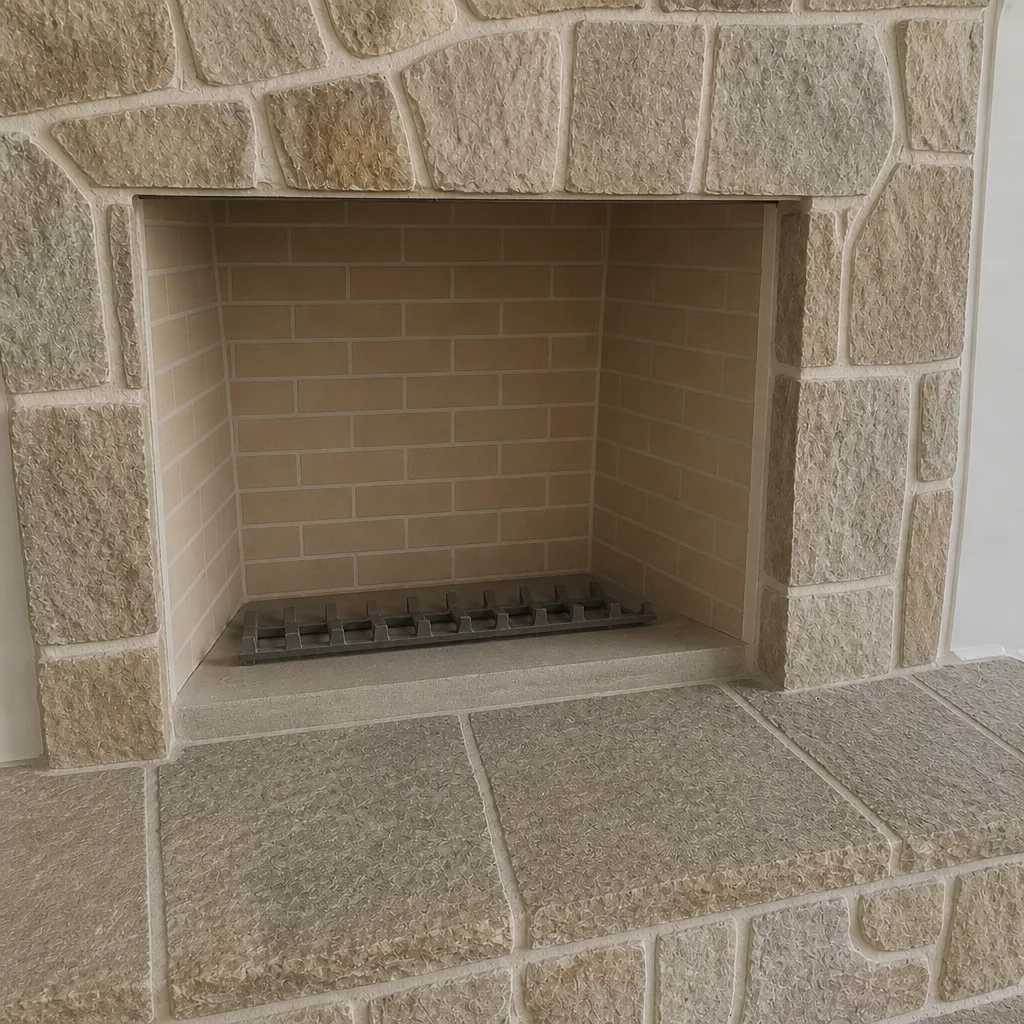
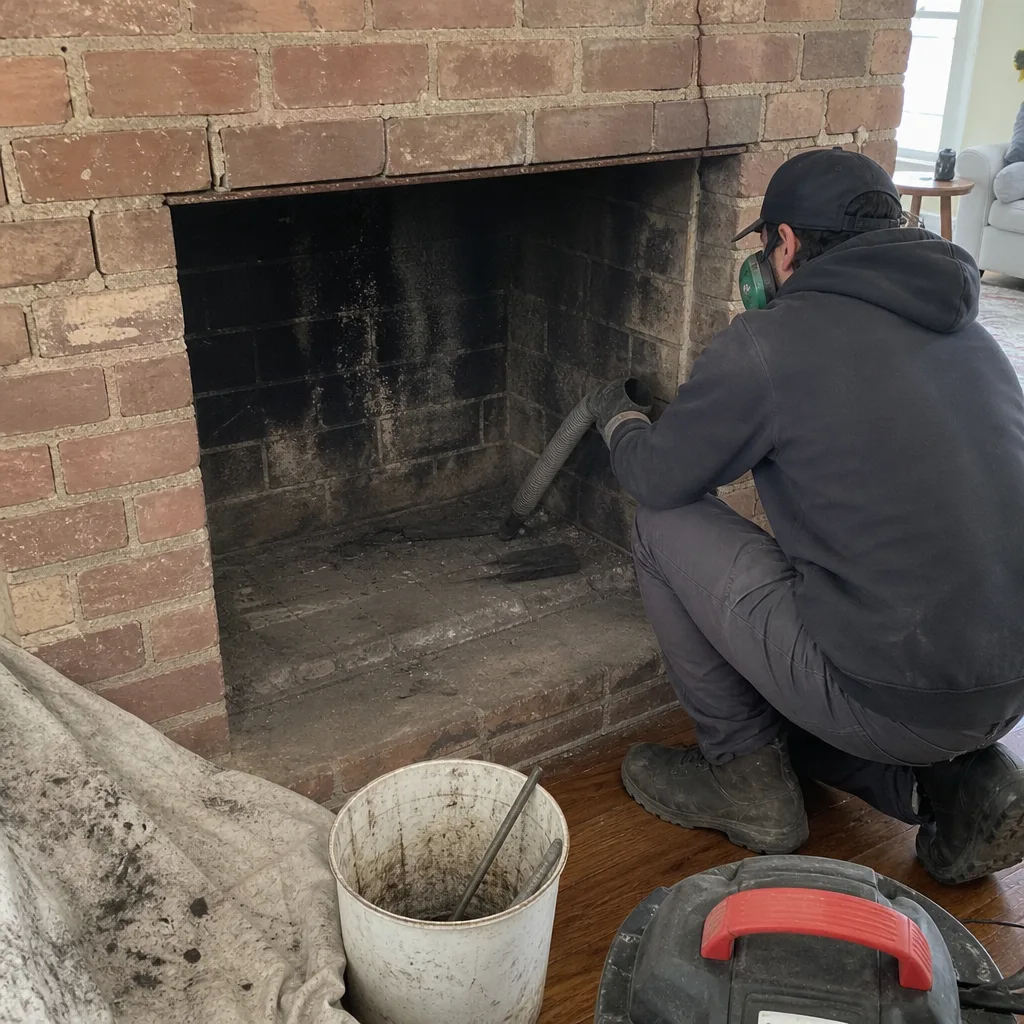
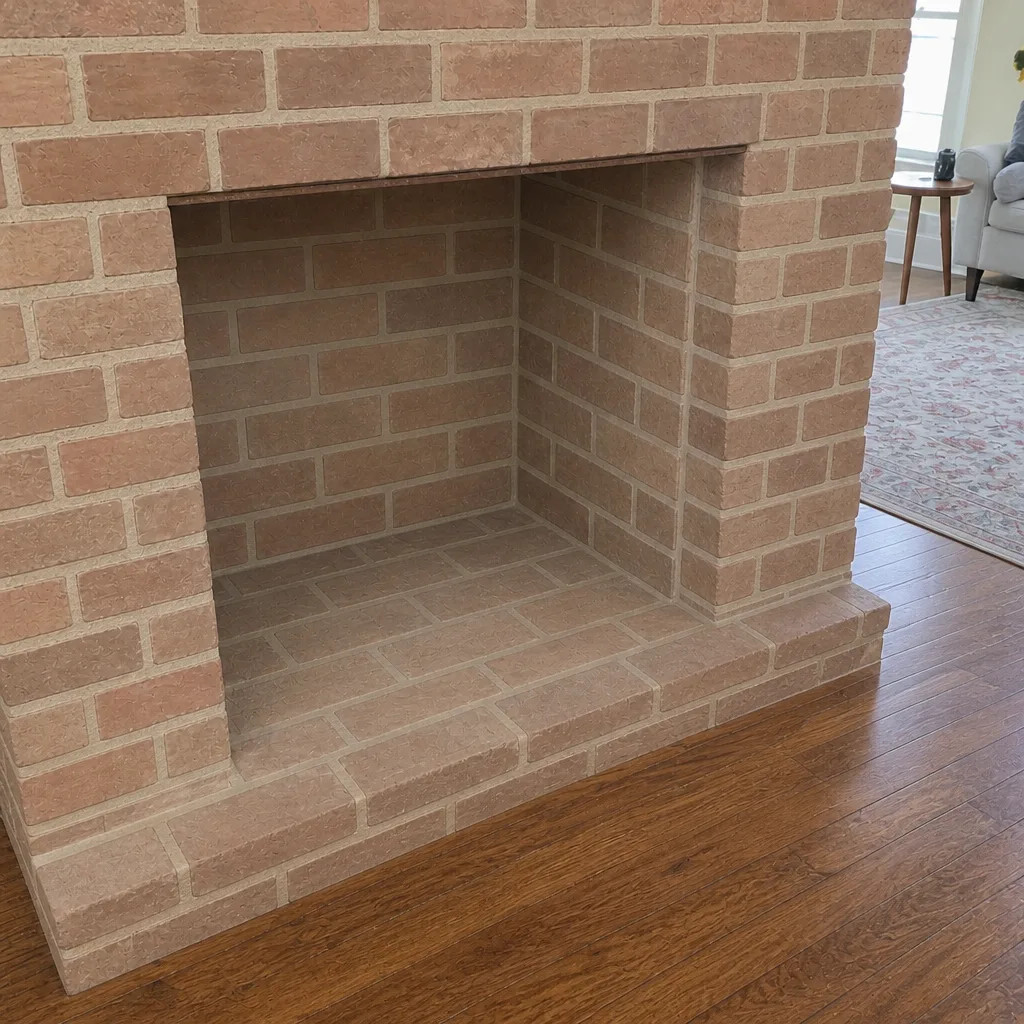
See the difference
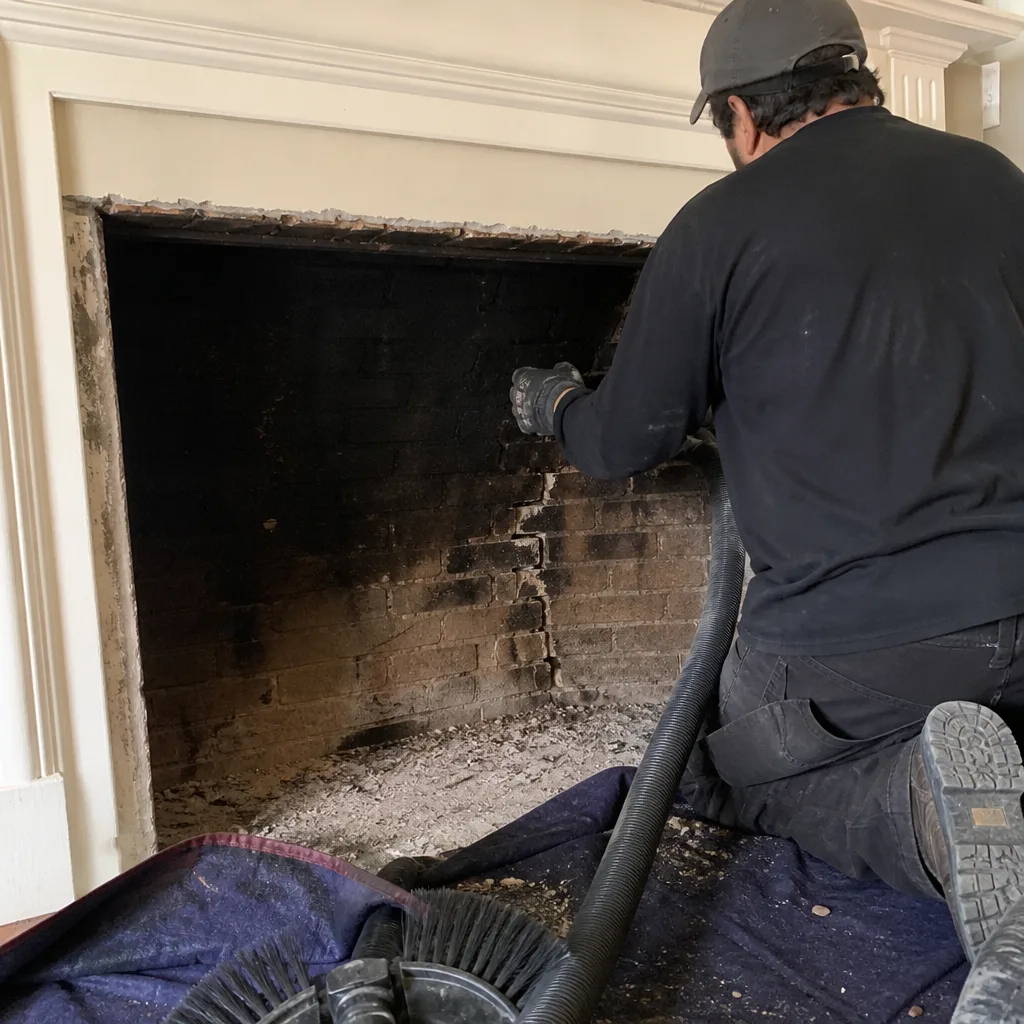 Before
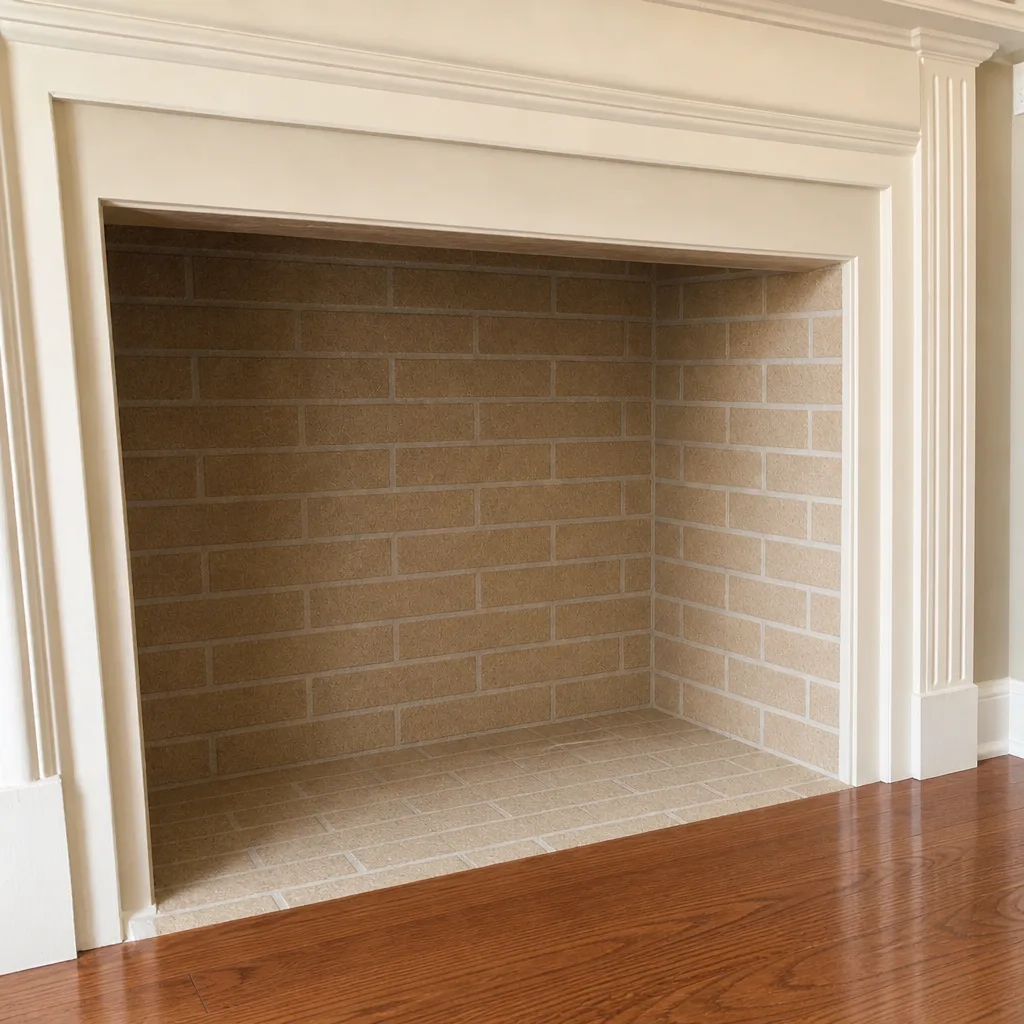 After
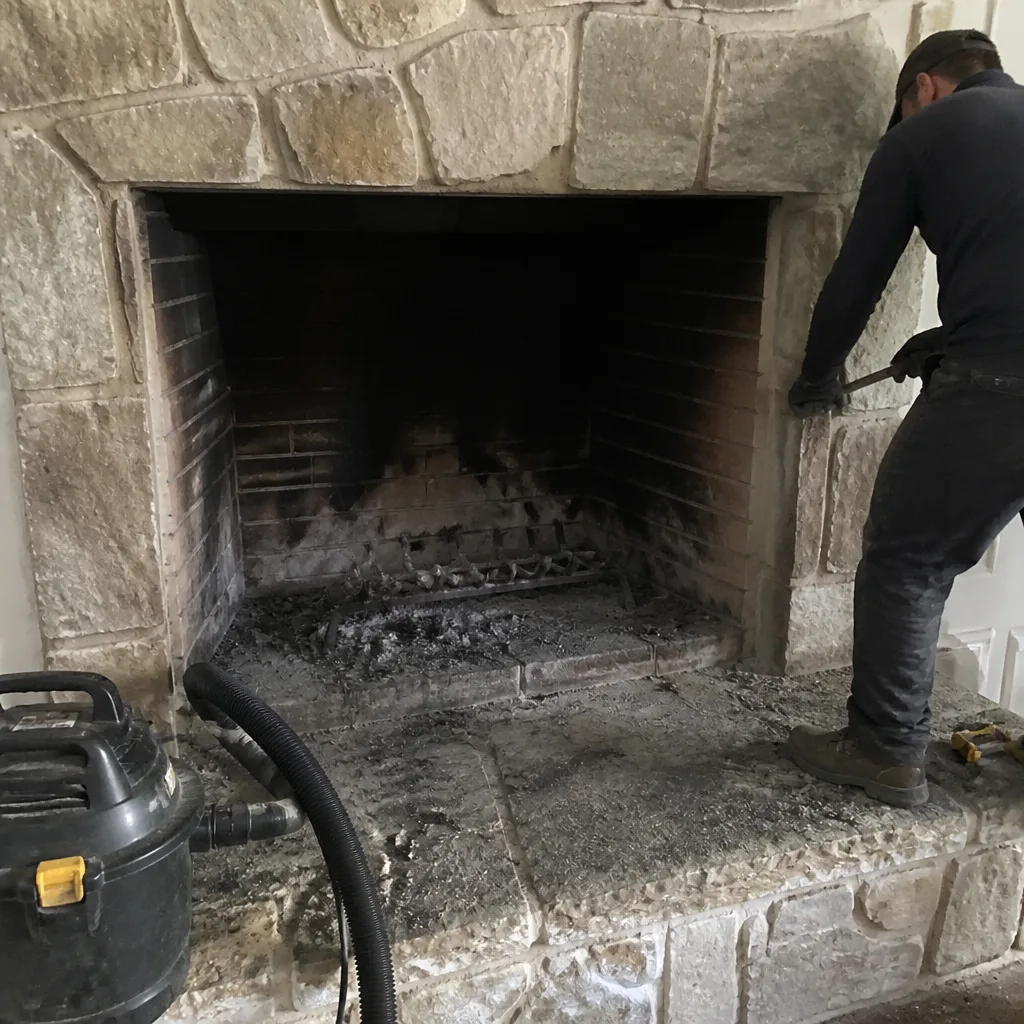 Before
 After
 Before
 After
When to Call a Professional
Call a professional when the checklist turn-up hits a red flag: a crown with through-cracks, a missing or rusted cap, lifted flashing, loose firebox brick, or a liner that shows damper-top rust or gaps at tile joints. Call before the first fall fire if your chimney hasn’t been swept in over a year, if you recently bought a Buckhead home with unknown chimney history, or if you’re seeing a smoky firebox. Call after any significant storm season if you’ve spotted anything new from the ground.
The camera inspection is the single most useful step for the homeowner who’s tired of being told “it needs work” with no evidence. We include camera inspection and a photo report with every sweep, and the written estimate sets the final price before any work starts. Buckhead Chimney Sweep Pros offers free estimates in Buckhead. Call (866) 947-8098. We answer 24/7. Fast dispatch from 7am to 7pm, Sunday through Friday.
Frequently Asked Questions
Most wood-burning chimneys in Buckhead should be swept at least once a year, and a pre-fall and post-winter sweep schedule is even better given how humid our spring and summer get. Gas fireplaces also need annual inspection even though they don’t produce creosote. Call (866) 947-8098 for an exact quote based on your chimney – estimates are free.
A Level I inspection is a visual check of the accessible parts of the chimney with basic tools, appropriate for a chimney with no known issues. A Level II inspection adds a camera scan of the flue, appropriate after a chimney fire, a liner change, a new-to-you home purchase, or when you’ve spotted signs of liner trouble. Level II is what gives you the footage to actually see. Call (866) 947-8098 to schedule – estimates are free.
Maybe, maybe not. A new liner is needed when the existing flue has cracked or separated tiles, a failed factory-built liner, or interior deterioration that a camera shows clearly. HeatShield ceramic resurfacing can restore some flues without a full reline. The right answer comes from the camera footage, not from a description. Call (866) 947-8098 to have the liner looked at – estimates are free.
Creosote builds up on the flue walls, and a thick enough layer can ignite into a chimney fire. That’s the serious risk. The quieter risk is moisture and creosote combining to corrode masonry over time, so a chimney that “still works” can be quietly degrading. Call (866) 947-8098 for a real condition check – estimates are free.
Often yes. We keep Gelco and Famco caps on hand, so a standard cap replacement is typically a same-visit job rather than a return trip. Unusual sizes or custom chimney shapes may need a measurement first. Call (866) 947-8098 to book it – estimates are free.
Book a Level II inspection with camera footage before the first fire. That establishes a documented baseline: current crown, cap, flashing, liner, firebox, and damper condition. Save the report and photos; every future chimney decision, repair quote, or insurance conversation gets easier when you have that baseline. Call (866) 947-8098 to schedule – estimates are free.
The Bottom Line
Chimney maintenance in Buckhead comes down to a six-component checklist run three times a year, not a single annual sweep. Firebox and damper, liner, crown, cap, and flashing each fail independently, and the parts you can’t easily see are exactly the ones that cost the most to repair. Use a flashlight for what you can check safely, use a camera inspection for what you can’t, and document the whole thing year over year so gradual deterioration shows itself. When a checklist item crosses into repair territory, get a professional eye and a written estimate. Buckhead Chimney Sweep Pros handles the entire chimney system in one visit. Call (866) 947-8098. We answer 24/7. Fast dispatch from 7am to 7pm, Sunday through Friday.
Written by the team at Buckhead Chimney Sweep Pros.