
Last updated November 24, 2026
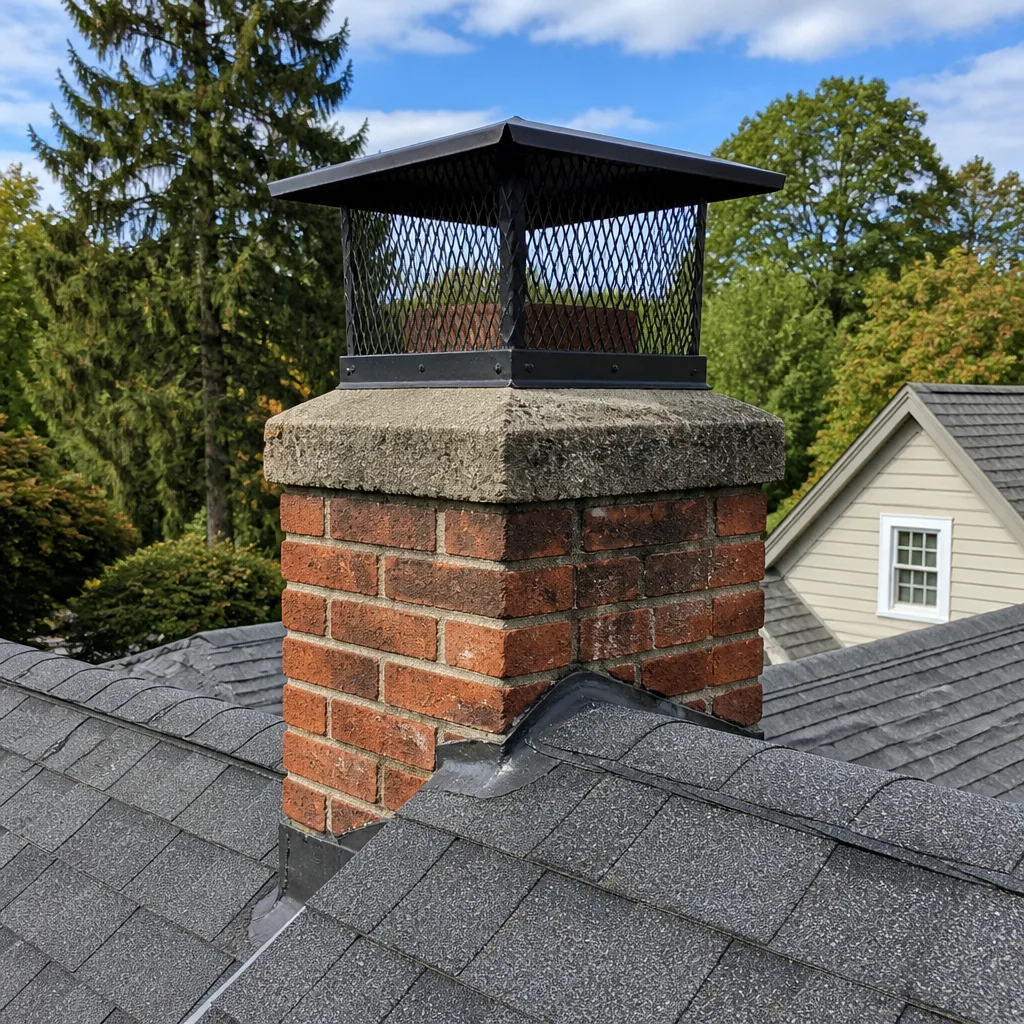 Sweep & inspection
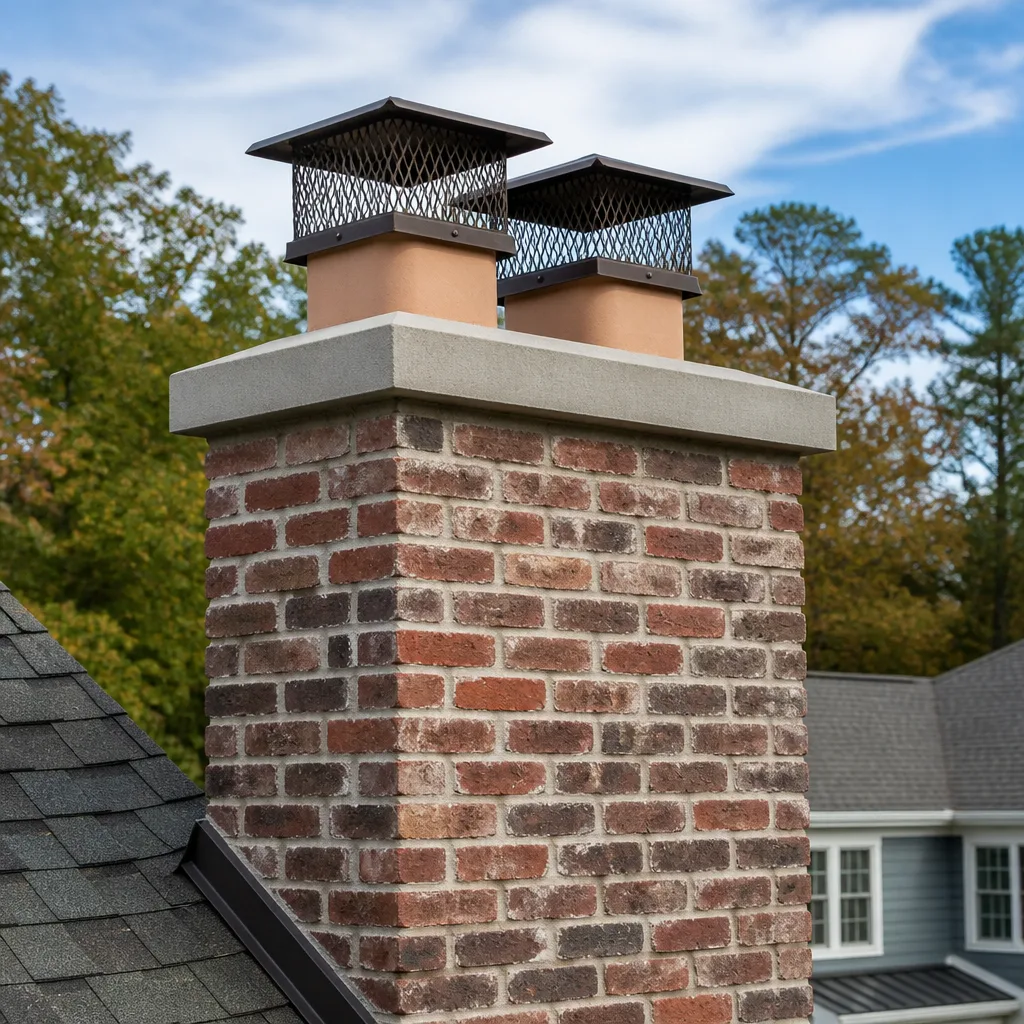 Caps & crowns
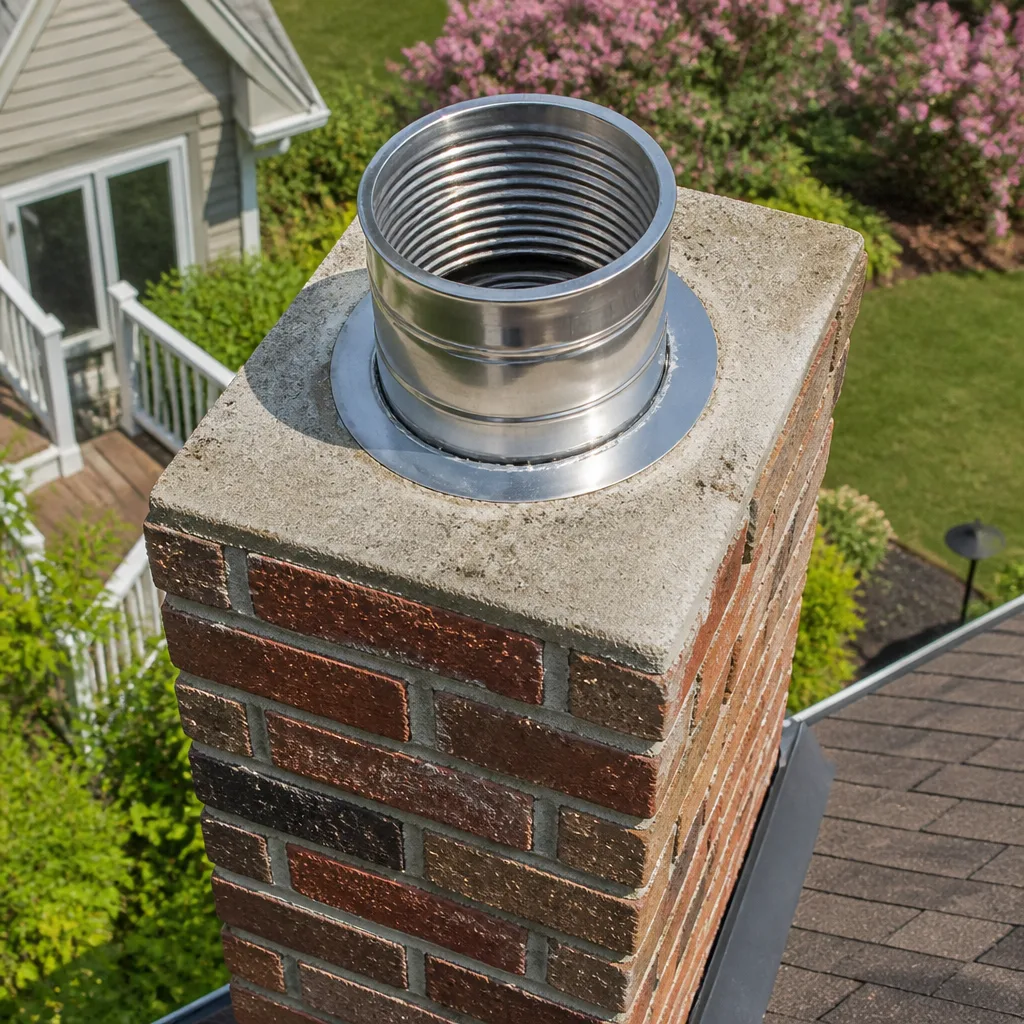 Flue relining
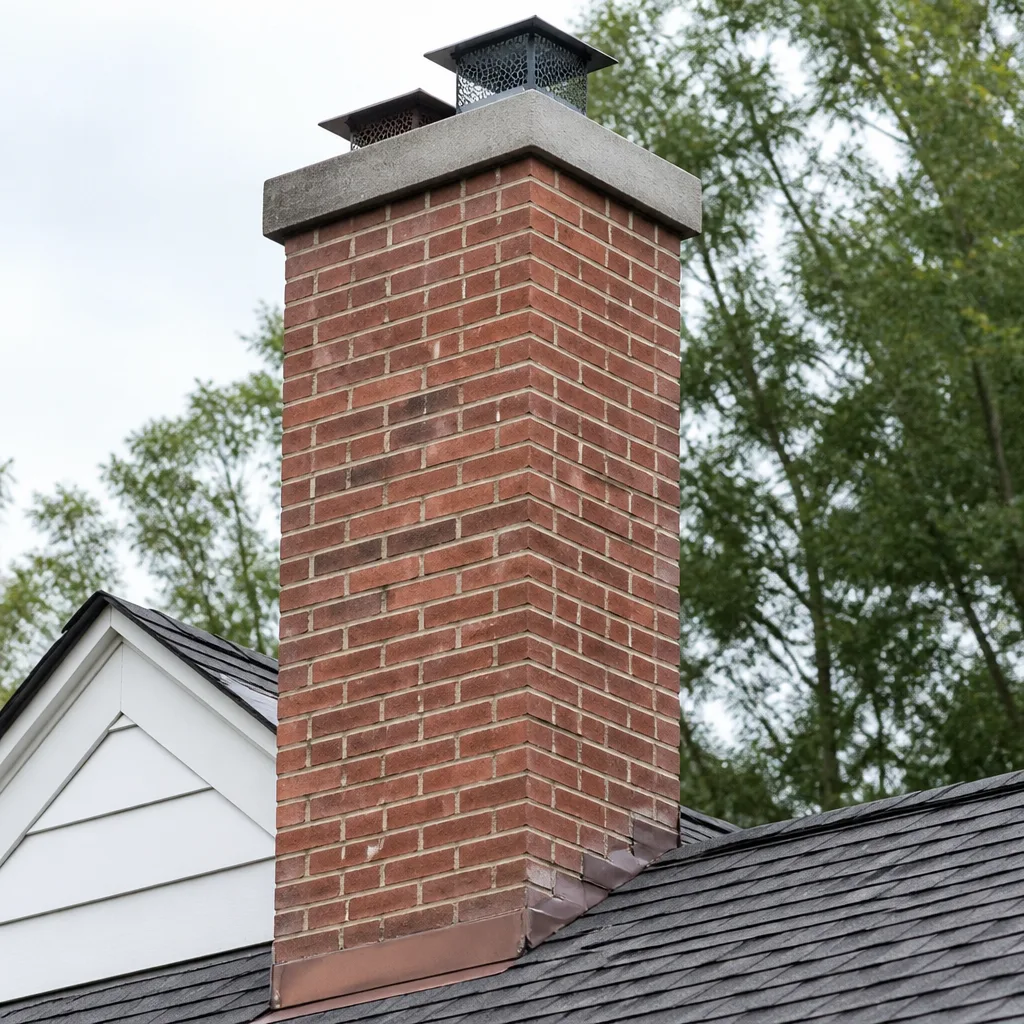 Masonry repair
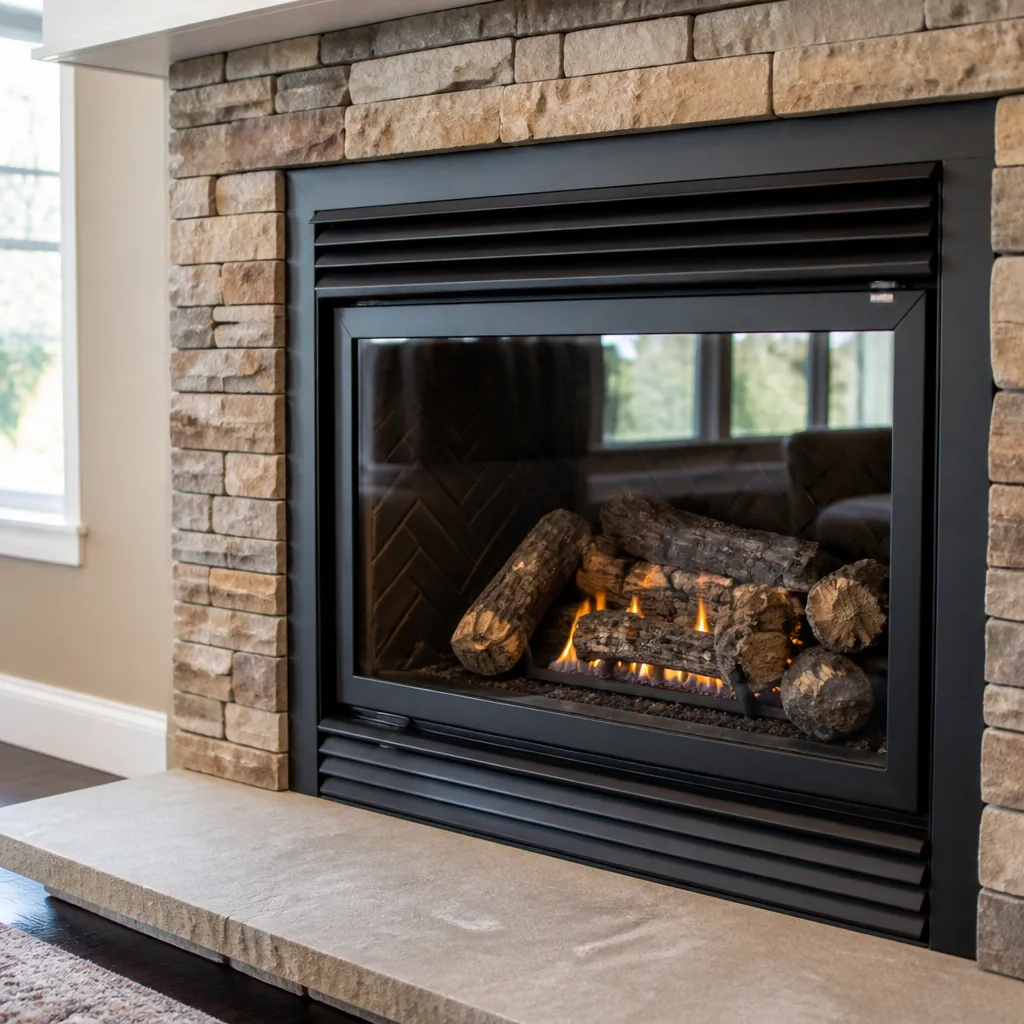 Gas fireplace service
Level 1 sweep and inspection to the NFPA 211 annual standard - flue, crown, cap, and flashing checked and photographed
Chimney sweep logs do not sweep chimneys. They loosen some creosote - which then falls where a brush and vacuum still have to collect it.
Chimney Cleaning Emergency Preparedness Guide for Buckhead Homes
Most homeowners picture a chimney fire as a roar with flames shooting from the top of the flue. That picture is incomplete, and the gap matters. Slow-burning chimney fires creep along creosote deposits with a low crackle, a heavy smoke smell, and heat you can feel through the masonry. They can burn inside a flue for hours while someone in the living room assumes the fireplace is simply running hot. The two genuine chimney emergencies – a flue fire and a carbon monoxide event – demand different responses, and treating them as one problem is how people make a bad situation worse. This guide walks through how to recognize each, what to do in order, and what has to happen afterward.
Quick Answer
A suspected chimney fire means: stop adding fuel, get everyone out, call 911, and don’t use the fireplace again until a Level 2 inspection confirms the flue is intact – the NFPA 211 standard the trade works to. A carbon monoxide alarm means: leave the building immediately, call 911, and don’t re-enter until the fire department clears it. Every Buckhead home with a wood-burning or gas fireplace should know these two sequences before the first fire of the season.
Styles & brands we work with
- Sweep & inspection
- Caps & crowns
- Flue relining
- Masonry repair
- Gas fireplace service
Table of Contents
- How do you tell a chimney fire from aggressive normal combustion?
- What should you do, in order, if a chimney fire starts?
- Why is carbon monoxide a separate chimney emergency?
- What has to happen after a chimney fire before you light another one?
- How do you prepare a Buckhead household before burning season?
- What does a Level 2 inspection cover, and why is it not optional?
- How does seasonal maintenance prevent emergencies in the first place?
- What are the most common mistakes?
How do you tell a chimney fire from aggressive normal combustion?
A chimney fire produces a cluster of signals – not always all at once, and not always dramatic. The classic roaring, vibrating fire with flames and sparks visible from the top is real and happens, but slow-burning chimney fires are far more common and far easier to miss. They consume creosote in a slow smolder that never draws attention the way a fast fire does. The practical skill is knowing what normal sounds, looks, and smells like, then recognizing when something drifts out of range.
Auditory indicators. A slow-burning chimney fire often makes a low crackling or popping sound you can hear from inside the room, distinct from the normal hiss and tick of a fire. It can sound almost like a distant rustle or a rumble, sometimes described as a sound moving through the flue. A louder roaring fire with a sustained “train” sound is a fast fire. Both warrant action.
Visual indicators. Dense, dark, or unusually thick smoke coming from the chimney is a signal. So is a puff of smoke entering the room from the firebox around the damper. Sparks or embers visible at the top of the chimney. Puffy, “dancing” smoke in place of a thin steady plume. Warped metal components on the firebox or chimney, cracked masonry, or heat discoloration on a cap or crown.
Olfactory indicators. A hot, tarry, almost acrid smell that’s stronger than normal woodsmoke. Sometimes a smell of burning plastic or a greasy, chemical odor if a component is overheating. The pitch of the smell matters more than the volume of it.
Heat. A fireplace surround that is hot to the touch when it normally stays cool, or a masonry wall that’s uncomfortably warm hours after the fire is out.
A useful frame in our experience: aggressive normal combustion settles. A chimney fire escalates. If any signal is in the “escalating” direction, treat it as a fire and work through the response sequence below. You can confirm afterward whether it was a fire or an aggressive normal burn – you can’t redo the response if you guessed wrong.
What should you do, in order, if a chimney fire starts?
The correct sequence for a suspected chimney fire is short and worth rehearsing so nobody stops to debate it in the moment. The order matters because the wrong move – especially water on a hot flue – can cause structural damage or injure someone in the house. Below is the sequence we walk every Buckhead homeowner through. It assumes you’ve already identified the signs above.
- Get everyone out of the house. Bring people first, pets second if it doesn’t delay you. This is the only step that isn’t negotiable or re-orderable.
- Call 911. Do this from outside, or have someone outside call while others are still leaving. The fire department needs to confirm the fire is contained and that no embers have escaped the flue.
- Stop adding fuel. If a fire is actively burning in the firebox, don’t feed it. If a safe, comfortable path exists and the fire is small, closing the firebox door and closing the air intake starves it of oxygen. Do not attempt this if smoke is heavy in the room.
- Don’t put water on the fire. A masonry or metal flue that is several hundred degrees hot will crack or warp when hit with water. Glass doors can shatter. Ceramic liners can fail. Water is not the answer at the flue.
- Don’t close the damper. The damper stays open. It’s the pathway for heat and smoke to exit upward. Closing it traps them.
- Don’t re-enter to gather belongings. Wait for the all-clear.
- Watch for fire extension. From outside, look for smoke coming from the roof, attic vents, or around the chimney – a sign the fire may have moved beyond the flue. Tell the first responders.
Once the fire department has declared the fire out and cleared the house, you’re in the “after” phase, which the next sections cover. The key point: the fire department handles the emergency itself. A chimney specialist handles what comes next – the investigation, the inspection, and the repair work that makes the fireplace safe to use again.
Why is carbon monoxide a separate chimney emergency?
Carbon monoxide is a different emergency with a different response, and it can originate from a chimney system that never sees a fire at all. CO is an odorless, colorless gas produced by incomplete combustion. It has nothing to do with visible smoke. A flue can be running clean and still be venting CO into the living space through a joint, a crack, a bad connection, or a reversed draft. The response to a CO alarm is not the same as the response to a chimney fire, and mixing the two is where people get into trouble.
The conditions that produce it. CO builds up when a combustion appliance vents poorly or not at all. That happens from a blocked or partially blocked flue, a damaged or disconnected vent connector, a cracked flue liner, negative pressure inside the house pulling exhaust back down the flue (an issue in tightly sealed newer homes and finished basements, both common in Buckhead), or a backdraft caused by another exhaust fan in the house drawing air down the chimney.
Gas log systems produce CO differently than wood fires. A wood fire burns relatively inefficiently and produces a visible plume plus CO and water vapor. A gas log set burns more completely and produces far less visible smoke – which is why a CO problem from gas logs can go unnoticed for a long time. A gas flue that’s blocked, improperly sized, or missing a liner may vent only marginally well. It produces no smoke plume to tip you off. The homeowner’s only warning is the CO alarm.
Detector placement actually matters. A carbon monoxide alarm only protects the space it’s in. Placing a single detector in the hall and assuming it covers the whole house is a common gap. For a home with a fireplace, we recommend:
- One on each sleeping level, ideally in the hallway outside the bedrooms.
- One in any room with a fuel-burning appliance – the fireplace counts.
- One near the gas water heater and furnace if they share the house.
- Alarms tested monthly and replaced on their stated schedule.
The CO response sequence: if an alarm sounds, leave the building immediately. Don’t open windows, don’t look for the source, don’t call from inside – get out, call 911, and don’t re-enter until first responders confirm it’s safe. If anyone feels dizzy, nauseated, or has a headache that clears when they go outside, tell the paramedics. Those are CO exposure symptoms.
Once the building is cleared, the next call is to a chimney specialist. A CO event is a venting problem, and venting problems get diagnosed with a Level 2 inspection – covered below.
What has to happen after a chimney fire before you light another one?
After a chimney fire, the fireplace stays out of service until a Level 2 inspection has been performed and the flue is confirmed intact and clean. This is the NFPA 211 standard, and it is not negotiable, not a suggestion, and not something the fire department’s “all clear” replaces. The fire department puts the fire out. It does not inspect the interior of the flue for cracks, gaps in the liner, warped metal, or displaced sections caused by the heat. Those failures are exactly what make a second fire in the same flue dangerous.
What a post-fire Level 2 inspection involves:
- Visual inspection of accessible portions of the flue, firebox, damper, cap, crown, and connector.
- Video scanning of the flue interior to check the liner for cracks, gaps, spalling, and separation.
- Assessment of the firebox and masonry for damage from heat.
- Confirmation the cap, crown, and any metal components are sound.
- A written report with photos that documents what was found.
What the report can turn up:
- A liner with localized cracking that can be restored with HeatShield ceramic resurfacing rather than fully replaced.
- A liner that needs replacement – DuraFlex flexible liner systems are the standard route for that work.
- Damaged or missing cap that allowed water or animals into the flue and contributed to the failure. Gelco and Famco cap inventory means a same-visit replacement is often possible.
- A firebox or damper that needs repair before the fireplace is used again.
Sometimes the report comes back clean and the fireplace can go back into service after a sweep and a documented inspection. Sometimes it doesn’t. Either way, the report is what answers the question – not a guess, not a visual check from the ground, and not a bit of rebuilding that gets done and never documented. In our experience, homeowners who skip the post-fire inspection are the same ones who call us about a smoky firebox a season later and can’t say what happened after the fire.
How do you prepare a Buckhead household before burning season?
Preparedness for a chimney emergency is mostly about doing the small things before the first fire. None of it takes long. The list below is what we recommend every Buckhead household build into the routine in early fall, before the first fire of the season.
Have these on hand
- A working carbon monoxide alarm on every sleeping level, tested and within its replacement window.
- A working smoke alarm near the living space, tested.
- A fire extinguisher rated for the fireplace area, accessible, and not expired.
- A flashlight that works and lives in a known place.
- A phone charger kept in the car or a pocket-accessible power bank – the call to 911 and the call to the fire department happen fast.
Keep these numbers accessible
- 911.
- The local fire department’s non-emergency line for post-fire follow-up questions.
- Your chimney specialist – the number you’d call after the fire department has cleared the house. Ours is (866) 947-8098. We answer 24/7.
- Your homeowners insurance agent – so you know what documentation you’ll need for a claim.
Brief everyone in the household
Walk the whole household – adults, older kids, anyone staying in the house – through the response sequence before the first fire. Everyone should be able to answer these questions:
- If you smell something odd and hear a low crackling sound, what’s the first thing you do? (Get everyone outside.)
- Where’s the meeting spot outside? (Pick one and say it out loud.)
- If the CO alarm sounds, do you open the windows or leave? (Leave. No windows. No searching for the source.)
- What does the damper look like when it’s open, and where’s the fire extinguisher?
Run through it once, out loud, at the start of the season. It takes five minutes and it eliminates the freeze that happens in an actual emergency.
Get the system checked before the first fire
Schedule a chimney sweep and inspection in early fall, before you light the first fire of the season. Creosote is the fuel for a chimney fire, and the flue doesn’t clean itself over the summer. A sweep plus a Level 1 or Level 2 inspection – depending on the fireplace’s history – tells you what you’re starting the season with. If it’s the first season in a new home with unknown chimney history, go straight to a Level 2.
Buckhead’s mix of older homes, newer tight construction, and finished basements makes draft behavior uneven. Some flues draw beautifully and some struggle. A fall inspection catches the ones that struggle before it becomes an emergency.
What does a Level 2 inspection cover, and why is it not optional?
A Level 2 inspection is the trade’s standard for evaluating a chimney after a fire, a CO event, a change in appliance, or a home purchase. It goes beyond what a Level 1 (visual, same-condition) inspection covers. It’s the inspection that finds the hidden failures – the ones you can’t see from the living room or the roofline – which is why it’s the requirement after any chimney fire and after any carbon monoxide event tied to the chimney system.
What’s included in a Level 2 inspection:
- Accessible portions of the chimney interior and exterior.
- Video scanning of the flue for cracks, gaps, spalling, or separation in the liner.
- Assessment of the firebox, damper, smoke chamber, and flue connector.
- Cap, crown, and flashing inspection from the roof.
- Written report with photographs documenting what was found and what condition it’s in.
A Level 1 inspection is appropriate for a fireplace that’s been in continuous service with no changes. It’s a visual check of accessible components. It is not enough after a fire, and it’s not enough on a home you just bought with an unknown chimney history. A Level 2 is the right level for a pre-purchase inspection and for insurance documentation – many carriers want the report as part of a claim.
Why it’s not optional after a chimney fire: heat exposure can crack a clay tile liner, warp a metal liner component, spall mortar in the smoke chamber, or separate a firebox assembly. None of that would be visible from outside. A fireplace that looks fine after a fire and is put back into service can fail on the next burn, and the failure mode – CO into the house or a second fire – is exactly what the inspection exists to prevent. The report is your evidence that the fireplace is safe to use. Without it, you’re guessing.
Book the chimney inspection after a fire, after a CO event, or before you buy a Buckhead home with an unknown chimney. The estimate is free and the report is yours.
How does seasonal maintenance prevent emergencies in the first place?
Most chimney emergencies that we deal with originate in something that would have been caught by an annual sweep and inspection. A blocked or partially blocked flue builds creosote, and that creosote is what a chimney fire burns. A missing or damaged cap lets water, animals, and debris into the flue – and that changes the way the chimney draws. A cracked crown drains into the masonry, freezes in a cold snap, and takes the crown apart. A gas fireplace with an improperly sized flue produces CO without producing smoke.
An annual maintenance routine that prevents all of the above:
- Schedule a sweep in early fall. Sweep creosote before the season, not after.
- Get a Level 1 or Level 2 inspection with the sweep, based on the fireplace’s history (Level 2 if the history is unknown, post-fire, or post-CO).
- Confirm the cap and crown are sound. A missing or damaged cap is a direct path into the flue for water, birds, squirrels, and debris, and a cracked crown lets water into the masonry structure. Same-visit chimney cap & crown work is available with Gelco and Famco product stock.
- Test the smoke detectors and CO alarms. Replace batteries on their stated schedule.
- Watch the first few fires of the season. Smoke that rolls back into the living room, a fire that struggles to draw, or a smell that lingers after the fire is out – call before the next one.
- If anything structural shows up in the report – firebox damage, crown failure, liner deterioration – get it repaired before the season starts. A fireplace repair is the kind of routine work a chimney specialist handles with the same visit.
Annual maintenance is the cheapest way to avoid the emergency sequence at the top of this guide. It’s also the reason we don’t treat a sweep as a luxury service. The clean flue is a safety standard, and the alternative – a fire or a CO event – is a lot more expensive than the sweep.
If you’re in a home with an unknown chimney history, treat the first season as a Level 2 year. That’s the standard practice for a new Buckhead home where you don’t know when the last sweep happened, what the liner looks like, or whether the cap is still attached. It’s the one call that answers all three.
Common Mistakes to Avoid
- Treating a low crackle and a heavy smell as “just a hot fire.” Slow-burning chimney fires burn for hours without dramatic flames. If any indicator – crackle, dense smoke, acrid tarry smell, heat in the surround – is escalating, treat it as a fire.
- Calling the fire department but skipping the Level 2 inspection afterward. The fire department confirms the fire is out. The Level 2 confirms the flue is still intact. The fireplace stays out of service until it does.
- Throwing water on a hot flue. A several-hundred-degree masonry or metal flue will crack or warp from a water pour. The damage from the water is often worse than the damage from the fire.
- Closing the damper to “contain” a chimney fire. The damper stays open. It’s the exit pathway for heat and smoke.
- Assuming gas logs can’t produce CO because they don’t produce visible smoke. Gas systems vent CO only marginally well when the flue is blocked, undersized, or unlined. The CO alarm is the only warning you’ll get.
- Placing a single CO alarm in the hall and assuming it covers the whole house. One alarm covers the space it’s in. You need one on each sleeping level and one in the room with the fireplace.
- Skipping the pre-season brief because “everyone knows what to do.” In a real emergency, everyone knows what to do for about five seconds – then instinct takes over. Five minutes of rehearsal before the season changes the outcome.
See the difference
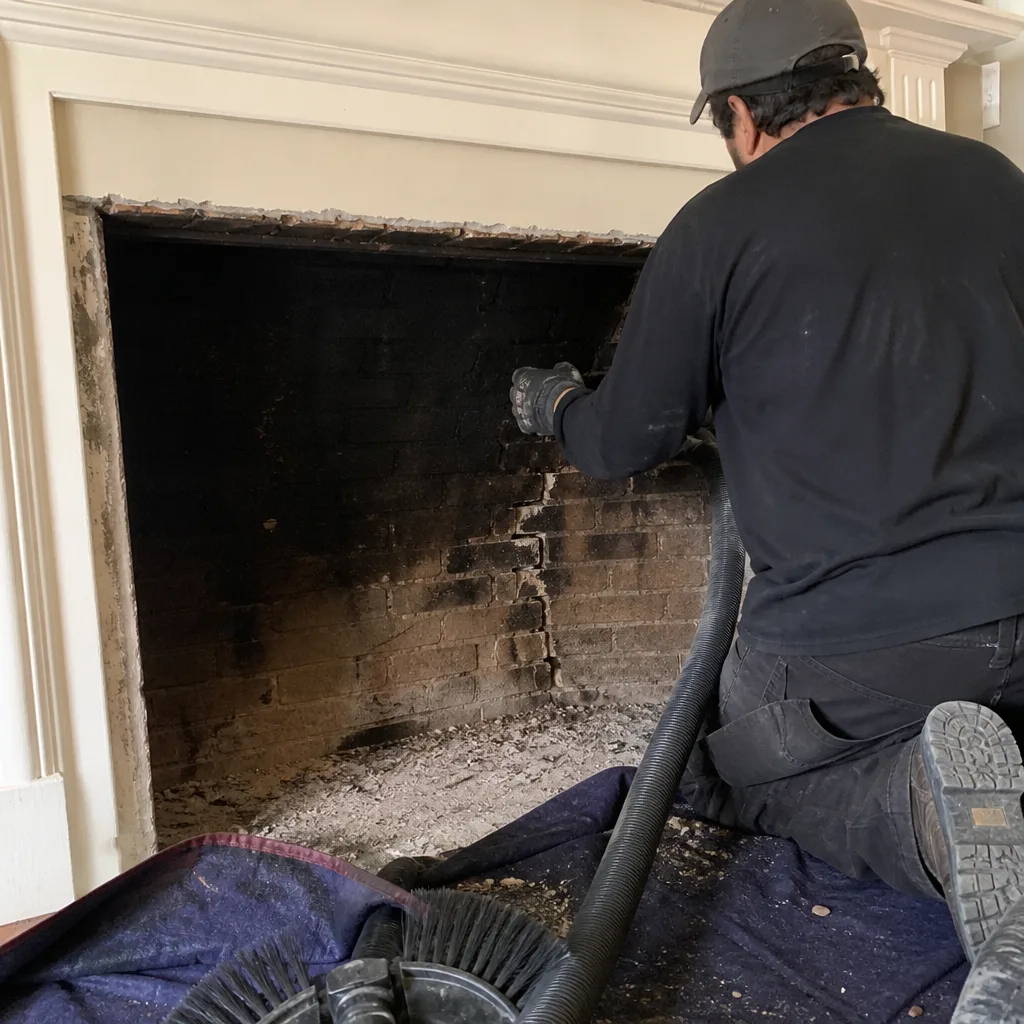 Before
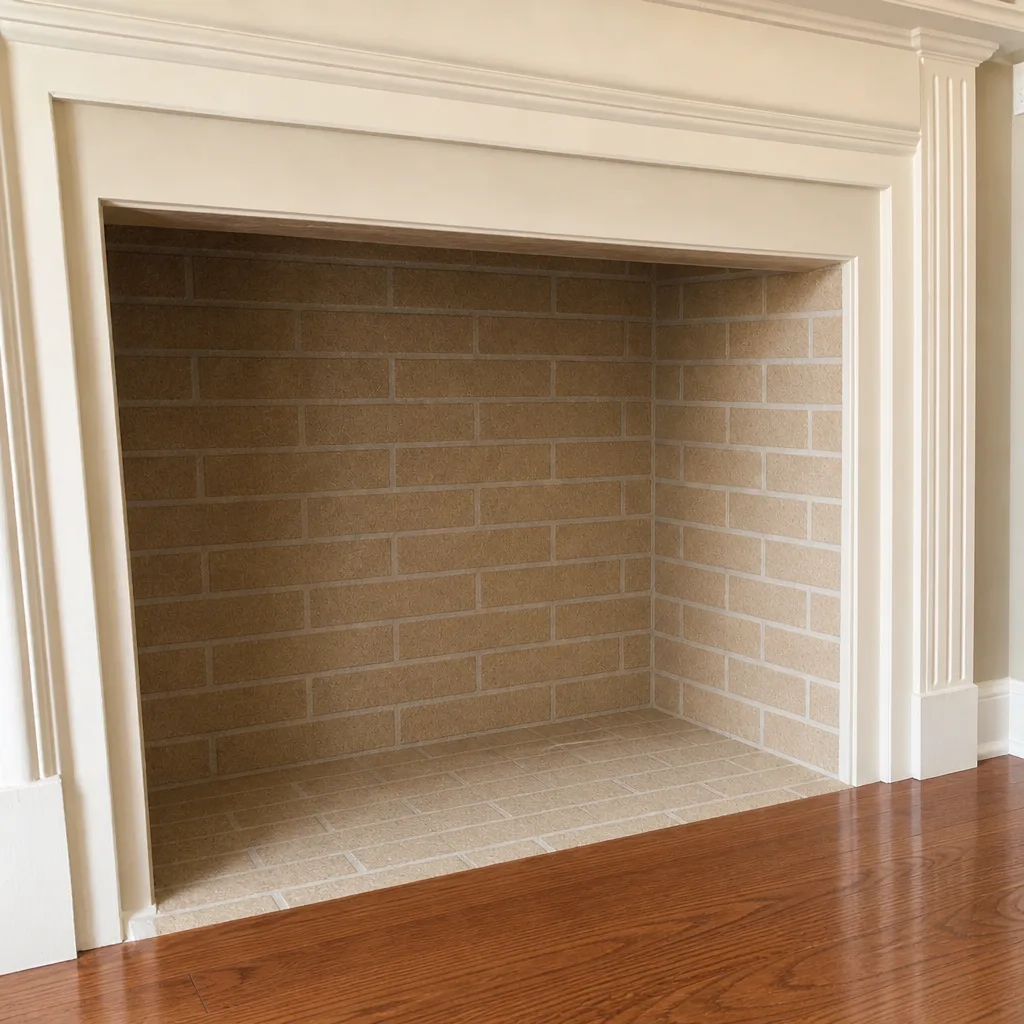 After
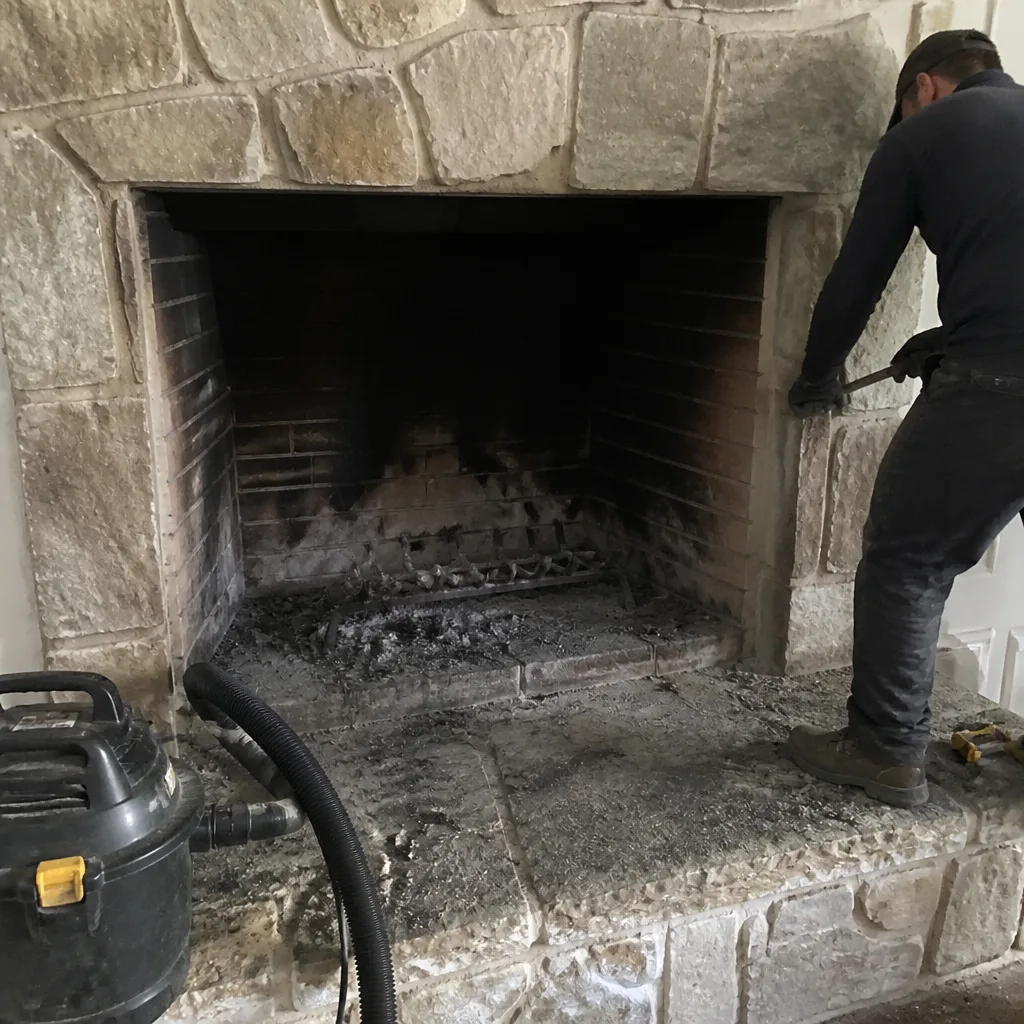 Before
 After
 Before
 After
When to Call a Professional
Call a chimney specialist if you see any of the following at your Buckhead home:
- Any chimney fire – even a suspected one. The Level 2 inspection afterward is not optional.
- Any carbon monoxide alarm event tied to the fireplace, the furnace, or the water heater.
- Smoke rolling back into the living room at the firebox.
- A missing, damaged, or loose chimney cap or crowned chimney.
- A visible crack in the crown, the firebox, or the masonry above the firebox.
- A smoke smell that lingers in the house after a fire is out.
- Any chimney with unknown history – a new home, a rented property, or a fireplace that hasn’t been serviced in more than a year.
- Visible water intrusion at the chimney or rust on a metal liner.
Buckhead Chimney Sweep Pros offers free estimates in Buckhead – call (866) 947-8098. We answer 24/7. Fast dispatch from 7am to 7pm, Sunday through Friday. A sweep, a Level 1 or Level 2 inspection, cap and crown work, liner restoration, fireplace repair, and structural repair are all handled by a single source, so there’s no call chain to chase. We handle what most sweep companies have to turn away. Our technicians have up to 14 years of experience. Your entire chimney system – cleaned, inspected, and repaired – in one call.
Frequently Asked Questions
Get everyone out of the house and call 911. Do that first, before you look for the source, before you check the firebox, and before you think about the damper. The fire department confirms the fire is contained. Don’t put water on the flue and don’t close the damper. Call (866) 947-8098 after the fire department has cleared the house for the Level 2 inspection that comes next – estimates are free.
A slow-burning chimney fire produces a low crackle, dense smoke, and a hot tarry smell, and can burn for hours inside a flue with no visible flames. A fast-burning chimney fire roars, can sound like a train, and may show flames or sparks at the top of the chimney. Both are real chimney fires and both call for the same response sequence. The slow fire is the one that gets missed.
Yes. Level 2 is the NFPA 211 standard after any chimney fire, and it’s the only inspection that scans the flue interior for the cracks, gaps, and separated liner sections that heat exposure causes. A visual check from the living room or the roof isn’t enough. The fireplace stays out of service until the report confirms it’s safe. Call (866) 947-8098 to book the inspection – the estimate is free.
A chimney fire is a combustion event inside the flue, usually fueled by creosote, and it produces heat, sound, smoke, and smell. A carbon monoxide event is a venting failure – CO from incomplete combustion escapes into the living space with no visible smoke to warn you. The response to a chimney fire is get out, call 911, and call for the post-fire inspection. The response to a CO alarm is get out, call 911, and don’t re-enter until first responders clear the building.
An annual fall sweep plus a Level 1 or Level 2 inspection – Level 2 if the chimney history is unknown or there’s been a prior fire or CO event. Cap and crown work to close the entry point for water and animals. Liner restoration with HeatShield ceramic resurfacing or DuraFlex flexible liner systems on a liner that’s cracking. Book the sweep before the first fire of the season. Call (866) 947-8098 – estimates are free.
Yes, and for CO reasons that don’t show up as smoke. A gas system burning cleanly produces no visible plume, so a blocked, undersized, or unlined flue can vent CO into the house without warning. Get a Level 1 inspection every year and a Level 2 if the flue has never been scanned or the system is new to the house. Call (866) 947-8098 to schedule the inspection. We answer 24/7.
The Bottom Line
Two chimney emergencies, two responses. A chimney fire: get everyone out, call 911, don’t put water on the flue, don’t close the damper, and don’t use the fireplace again until a Level 2 inspection confirms the flue is intact. A carbon monoxide alarm: get everyone out, call 911, don’t re-enter until first responders clear the building, and get a chimney specialist in to find the venting failure. Every Buckhead home with a fireplace should rehearse both sequences before the first fire of the season, keep the numbers where everyone can find them, and book an annual sweep and inspection to prevent the emergency in the first place. The clean flue is the standard, not the luxury.
Buckhead Chimney Sweep Pros is a chimney-only specialist – sweeping, inspection, chimney cap & crown, liner restoration with HeatShield ceramic resurfacing and DuraFlex flexible liner systems, fireplace repair, and structural chimney repair, handled in one visit with trade-grade materials from DuraFlex, HeatShield, Gelco, Olympia Chimney, Famco, and Copperfield. Not a generalist with a ladder. If you have a chimney in Buckhead and you’re not sure what state it’s in, that’s the call to make now. Call (866) 947-8098. We answer 24/7. Fast dispatch from 7am to 7pm, Sunday through Friday. Estimates are free, and the written estimate sets the final price.
Start with Buckhead Chimney Sweep Pros and a chimney sweep before the season, and if this is a new home with unknown chimney history, ask about the Level 2 inspection on the same call.
Written by the team at Buckhead Chimney Sweep Pros.