
Last updated November 24, 2026
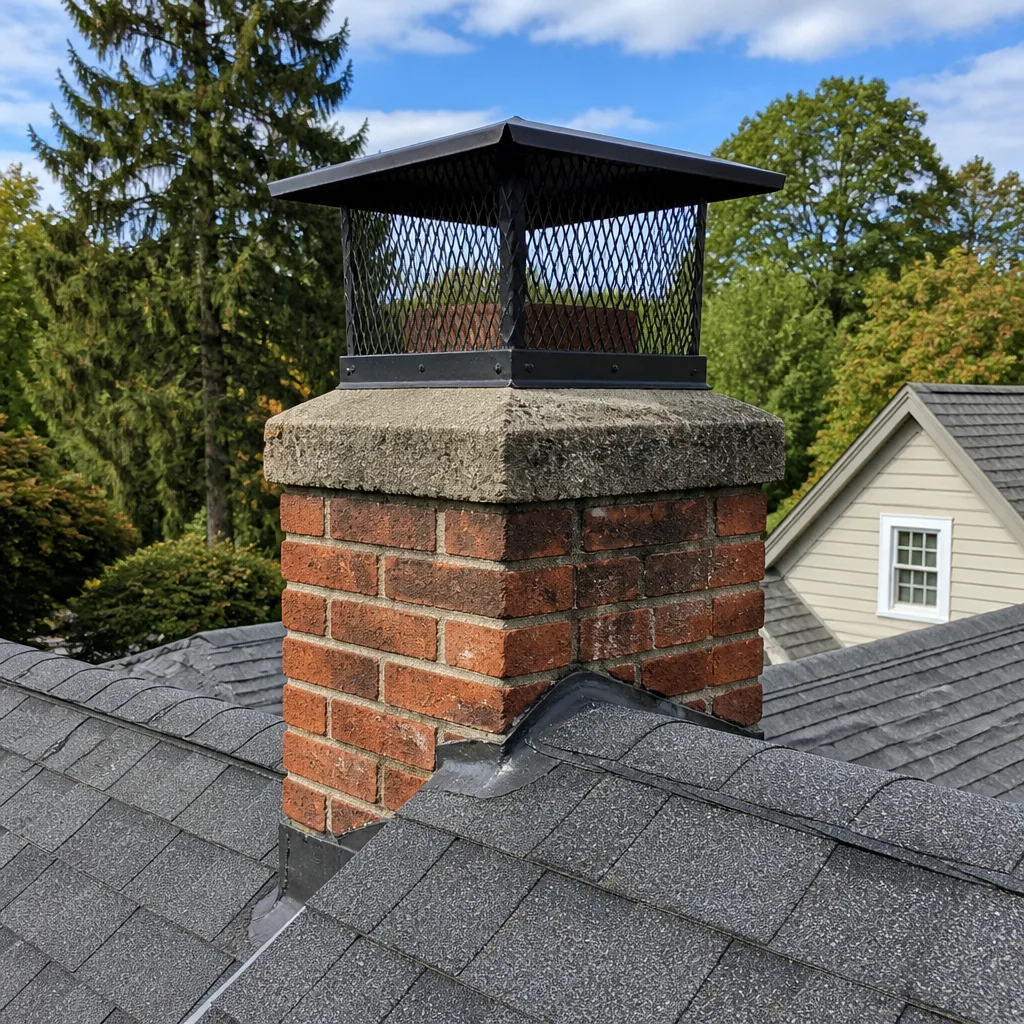 Sweep & inspection
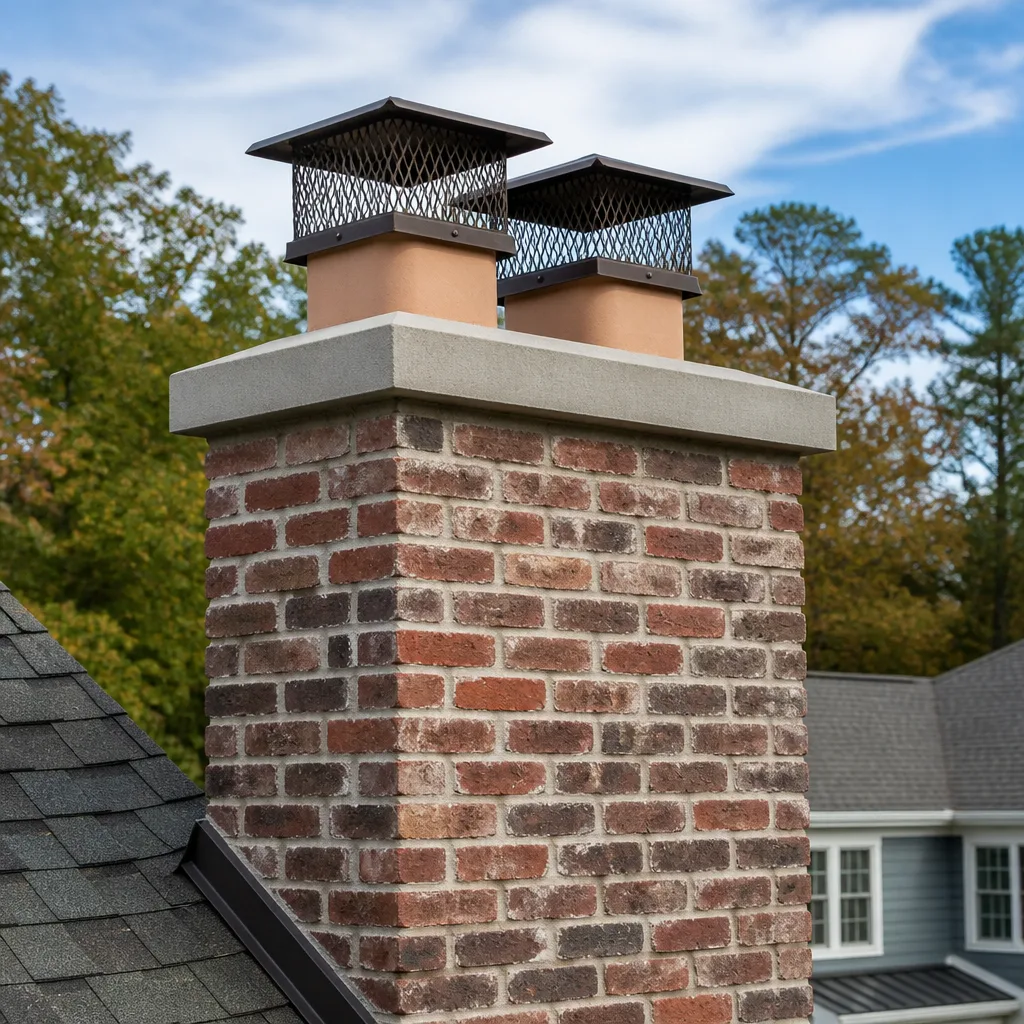 Caps & crowns
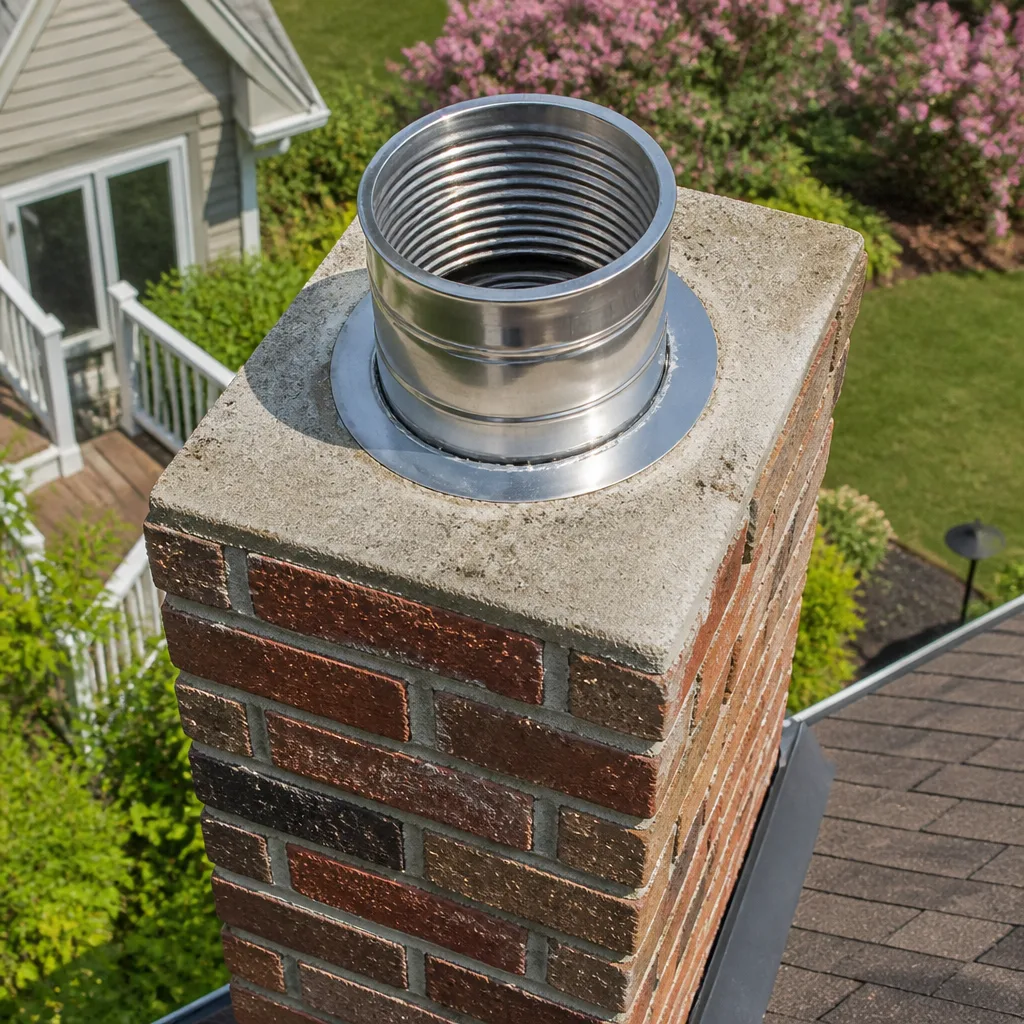 Flue relining
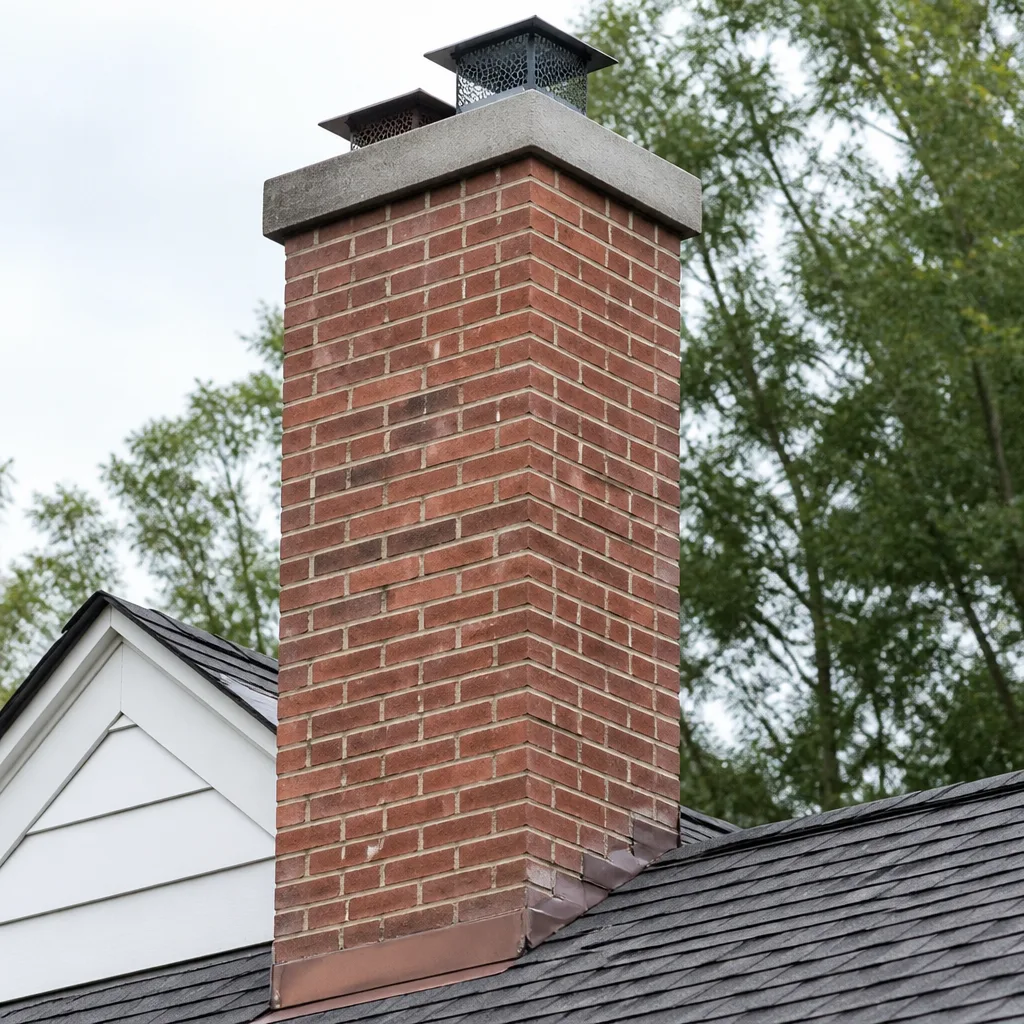 Masonry repair
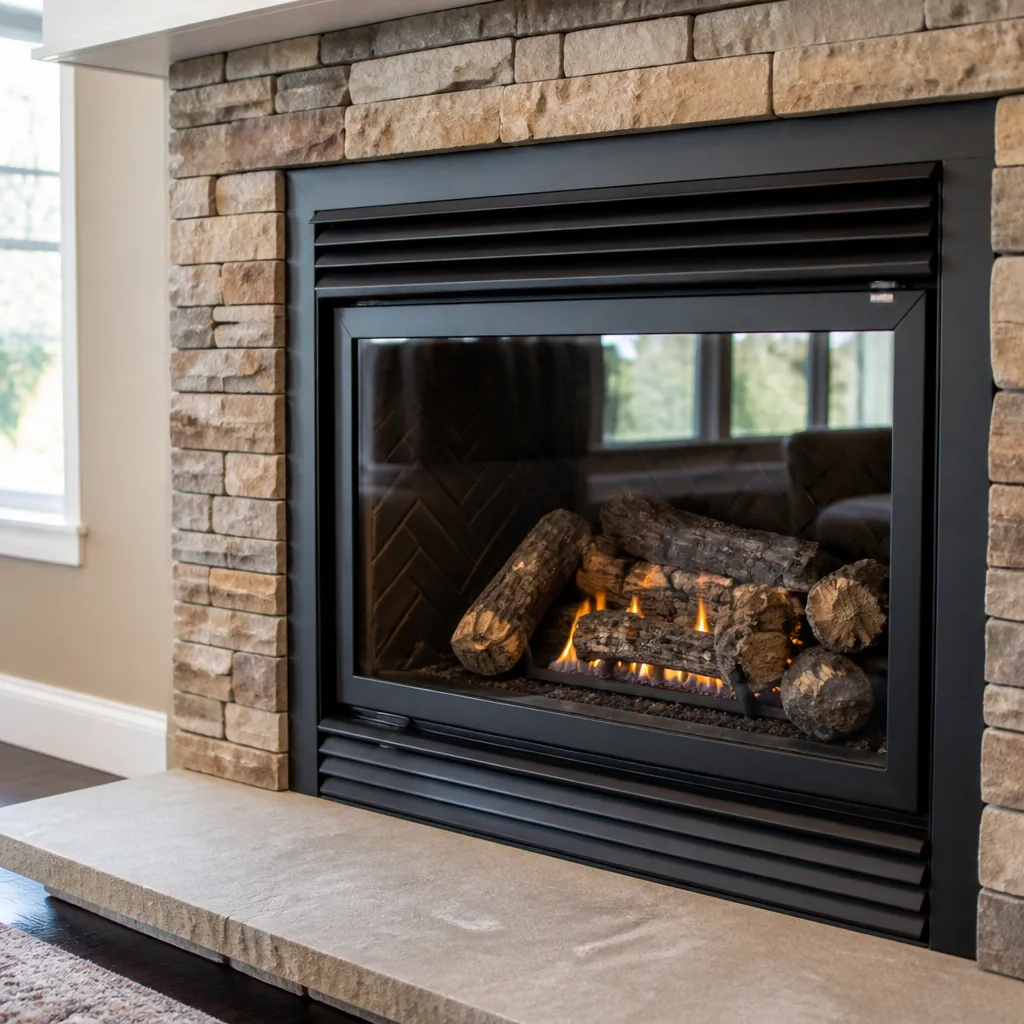 Gas fireplace service
Level 1 sweep and inspection to the NFPA 211 annual standard - flue, crown, cap, and flashing checked and photographed
Chimney sweep logs do not sweep chimneys. They loosen some creosote - which then falls where a brush and vacuum still have to collect it.
Chimney Cleaning Cost Breakdown: The Buckhead Homeowner’s Reference for 2026
The $79 chimney sweep coupon in your mailbox covers a brush and nothing else. No inspection documentation. No camera scan. No assessment of the cap, crown, flashing or liner, which is where the real safety problems hide. It’s the cheapest line on the invoice and the most expensive thing you can buy, because a sweep-only visit tells you the flue looks clear and says nothing about whether your chimney is safe to burn in this winter. What follows separates every billable component of chimney work in the 2026 Buckhead market so you can see what a quote includes, what it quietly leaves out, and how to tell the difference between a thorough job and a fast one.
Quick Answer
Chimney cleaning in Buckhead typically runs $185 to $325 for a standard sweep with a Level 1 inspection, and $325 to $550 when a Level 2 inspection with camera scan is included. Liner relining runs $2,800 to $6,500 for a typical one-story flue, crown repair $350 to $850, and cap replacement $250 to $600 installed. The written estimate sets the final price, and a legitimate quote itemizes each of these separately.
Styles & brands we work with
- Sweep & inspection
- Caps & crowns
- Flue relining
- Masonry repair
- Gas fireplace service
Table of Contents
- What’s Actually Billable in a Chimney Cleaning Job?
- Line-Item Cost Breakdown for the 2026 Buckhead Market
- What Drives Price Variation in Buckhead?
- The Real Cost of Deferred Maintenance
- How to Read a Chimney Estimate
- When Bundled Packages Make Sense and When They Don’t
- Common Mistakes to Avoid
- When to Call a Professional
- Frequently Asked Questions
What’s Actually Billable in a Chimney Cleaning Job?
A chimney job breaks into four separately billable components: the cleaning itself, the inspection level, any camera or video documentation, and any repair or restoration work. Most low-end quotes fold these together into one confusing price or, more often, drop two of them entirely. When we itemize an estimate for a Buckhead homeowner, we’re separating things that should never have been bundled in the first place.
The cleaning is the mechanical removal of creosote and soot from the flue, firebox and smoke chamber. That’s the part everyone thinks of. The inspection is the assessment of the chimney system’s condition, and it’s graded by industry standards into three levels:
- Level 1: A visual check of readily accessible portions of the chimney, firebox and flue. Standard with an annual cleaning when nothing has changed.
- Level 2: Everything in Level 1 plus a camera scan of the flue interior, accessible attic and crawlspace areas, and the chimney exterior. Required after a chimney fire, when you buy a home, or when you’ve changed fuel type or appliance.
- Level 3: A diagnostic inspection that may involve removing parts of the chimney or its surrounding structure to access a concealed problem. Not a routine service.
The camera scan and repair work sit on top. A camera scan on its own runs $75 to $150 and is worth every dollar because it’s the only way to actually see the inside of the flue liner. Repairs are quoted separately after the inspection findings. If your quote doesn’t separate these categories, ask why before you agree to anything.
Line-Item Cost Breakdown for the 2026 Buckhead Market
Here’s what each piece of the job typically costs in the Buckhead area in 2026. These are estimated ranges based on the local market, not fixed prices. The written estimate after an on-site look sets the final number.
| Service | Typical Range | What It Covers |
|---|---|---|
| Basic sweep (with Level 1 inspection) | $185 – $325 | Mechanical flue cleaning, firebox and smoke chamber, visual inspection, written report |
| Level 2 inspection (camera scan included) | $250 – $400 | Camera scan of flue, attic and crawlspace access, chimney exterior assessment |
| Standalone camera scan | $75 – $150 | Video documentation of flue interior, photo report |
| Chimney cap replacement (installed) | $250 – $600 | Stainless or copper cap, custom-fit, installed same visit |
| Crown repair or rebuild | $350 – $850 | Resurfacing with crown mix, crack repair, or full crown rebuild |
| Chimney relining (flexible liner installed) | $2,800 – $6,500 | DuraFlex stainless flexible liner, insulation, top plate and cap |
| Liner resurfacing with HeatShield | $1,400 – $3,200 | Ceramic-based resurfacing for deteriorated clay tile liners that don’t require a full replacement |
| Firebox repair | $400 – $1,800 | Repointing, brick replacement, fireback or hearth repair |
Two things about this table matter more than the numbers. First, a cap replacement at $250 to $600 is the cheapest insurance against water entry, animal nesting and downdraft in a Buckhead chimney, and it’s the line item most often missing from discount quotes. Second, liner work is where the real money lives, and it’s also where a qualified specialist separates from a sweep-only operation. We carry chimney cap & crown inventory in Gelco and Copperfield so a replacement happens in the same visit rather than on a return trip, and we can resurface a deteriorated liner with HeatShield where most sweep companies would have to tell you no.
For the cleaning itself, the chimney sweep is a fixed scope service. The range shifts with flue height, fuel type and years since last service, never with how nice the house is.
What Drives Price Variation in Buckhead?
A 1970s ranch in Garden Hills and a 1920s home on Peachtree Battle both need chimney service, and they don’t cost the same. Price varies for reasons that are real and identifiable, and understanding them tells you whether your quote makes sense or is just padded.
Flue height and access. A single-story chimney with a clean roof slope is faster to service than a two-story chimney with limited roof access. A cap that’s been in place since the 1990s and seized to the crown takes longer to remove. These are genuine cost factors and a legitimate quote will tell you which one is driving the number.
Fireplace type. A wood-burning masonry fireplace with a full-height flue is the standard job. A gas appliance with a metal flue needs a different cleaning procedure, a different brush and different inspection focus. A fireplace insert or a factory-built unit changes the scope again. If the technician doesn’t ask which type you have before quoting, they’re guessing.
Fuel type and buildup. This is where pricing in Buckhead diverges sharply. Creosote buildup comes in three grades, and the third grade, glazed creosote, can require chemical treatment before the flue can be swept effectively, which adds a step and often a second visit. In a city where a lot of older homes burn seasoned hardwood in an open firebox, three or four seasons without a cleaning can produce significant buildup. If your last cleaning was more than a couple of seasons ago, don’t be surprised when the price lands above the baseline.
Years since last service. A chimney that has been serviced annually is quick work. A chimney with an unknown history, which is exactly what a lot of Buckhead buyers inherit when they purchase an older home, may need a full inspection before anyone can quote fairly.
Access and structure in older homes. Buckhead has a deep inventory of pre-war and mid-century housing. Chimneys built into exterior walls sometimes lack a cleanout at the base, or the cleanout has been covered over by a renovation. Flashing on an older roof is often more degraded than on a newer build, and it needs to be assessed as part of a Level 2 inspection.
- A two-story chimney with offset flue adds to the standard sweep price.
- Glazed third-degree creosote requires chemical treatment before sweeping.
- A gas appliance needs a different brush and a different inspection focus.
- An unknown chimney history should prompt a Level 2 inspection before quote, not a faster cheaper sweep.
- Missing or covered cleanouts in older homes can add to the labor.
The Real Cost of Deferred Maintenance
A $250 annual cleaning prevents a $3,000 to $8,000 liner replacement. That’s the most useful comparison in this entire guide, and the one homeowners rarely see until it’s too late. The cleaning itself doesn’t prevent the damage. What prevents the damage is what the cleaning catches: a cracked clay tile, a pinhole in the flue, water entering at the crown, a cap that disappeared in a storm two winters ago and left the flue open to rain and animals.
Here’s what deferred maintenance actually costs in Buckhead, in sequence:
- Skipped cleaning, year 1: Creosote accumulates to measurable depth. Nothing visible from the firebox. $0 spent, $250 saved.
- Skipped cleaning, year 2-3: Creosote reaches glazed stage and becomes hard to remove. Water entry through a failed crown or missing cap starts to damage the flue’s interior surface. Sweep cost now runs $250 to $450 with chemical treatment.
- Skipped cleaning, year 4-5: The flue liner begins to deteriorate structurally. Masonry cracks. Creosote becomes a chimney-fire risk. A resurfacing with HeatShield lands in the $1,400 to $3,200 range. A full flexible liner with DuraFlex runs $2,800 to $6,500.
- Beyond year 5: Structural chimney damage and firebox deterioration can add fireplace repair and in severe cases rebuild work to the bill. A chimney fire is the worst outcome, and it’s not the flue fire that’s the real danger; it’s what a cracked flue and a hot flue fire can do to the combustible structure around the chimney.
Carbon monoxide risk is the other part of the bill that doesn’t show up on any invoice. A blocked or compromised flue on a gas appliance is a CO hazard, and that hazard isn’t visible from the firebox. A chimney fire risk on a wood-burning system is real and documented; a flue with heavy glazed creosote and a cracked liner is a fire waiting for a cold night. Neither outcome is common, and neither is rare enough to justify skipping the annual check. Call (866) 947-8098 for an exact quote. Estimates are free.
How to Read a Chimney Estimate
A legitimate chimney estimate tells you the scope of work, the standards it’s built on, and what happens if the inspection turns up something unexpected. Anything less and you’re comparing guesses, not prices. Here’s how to read one.
First, find the inspection level. A quote that says “chimney sweep” without naming the inspection level is ambiguous by design. Level 1 with a cleaning is standard. Level 2 with camera documentation is standard after a purchase, a fire, or a fuel change. If the quote doesn’t say which level, call and ask. A reputable company answers in one sentence.
Second, find the documentation clause. A camera scan produces footage you should be able to see for yourself. A legitimate report includes photos, timestamped flue video, and a written narrative of what was found. A quote that offers no documentation is offering you no way to verify that the recommended repair is actually needed. That’s the single biggest objection homeowners have about chimney work and it’s the right one to hold any company to.
Third, find the contingency clause. If the inspection finds something the sweep price can’t cover, what happens? A good estimate tells you in advance that glazed creosote may require an additional treatment step at a stated range, that a seized cap may need to be cut free, and that final liner pricing is set after inspection findings. A quote that hides all of this behind a flat “chimney sweep” price is selling you a fixed-cost visit that will mysteriously expand.
Fourth, verify the materials. Trade-grade liners and caps are recognizable by brand. DuraFlex liners, HeatShield resurfacing, Gelco and Copperfield caps and Olympia Chimney components are professional-grade products. Big-box hardware-store substitutes look similar and don’t perform like the real thing. A quote that names its materials is a quote that stands behind what it’s installing.
- Inspection level named (1, 2, or 3).
- Camera scan and photo documentation included or explicitly declined.
- Contingency clause for glazed creosote, seized caps and uncertain liner condition.
- Brand names of the liners, caps, sealant and any resurfacing materials.
- Repair pricing estimated separately rather than folded into the sweep price.
When Bundled Packages Make Sense and When They Don’t
Bundled chimney packages can be genuine value or a way to hide padding. The difference isn’t in the price. It’s in whether each component of the bundle would have been recommended on its own merits after inspection.
A package that combines a sweep, a Level 2 inspection and a cap replacement on a chimney with no cap can be good value because all three items are services you’d have booked separately. A package that combines a sweep, a “complimentary” crown sealant and a “preventive” liner treatment on a chimney that inspected clean is padding, because two of those three items solve problems you don’t have.
A few questions to ask before accepting any package price:
- What’s the inspection level inside this package, and is it documented?
- Are the repair items in the bundle recommended independently for my chimney, or included because the bundle exists?
- What’s the itemized price of each component if I buy them separately?
- Does the package include camera documentation I can see for myself?
- Are the materials named? A cap listed as “chimney cap” is not the same as a Gelco or Copperfield cap.
- What’s the price to skip any single component of the bundle?
A good rule of thumb: no chimney work should be recommended without camera evidence supporting it. If a package includes liner resurfacing or a flexible DuraFlex liner installation without a camera scan on file showing why, ask for the scan. When we look at a chimney in Buckhead and it inspects clean, we say so and quote the sweep. If we find deterioration, we show you the footage. If we find something that can safely wait a season, we tell you that too. Bundle pricing is only meaningful if the work inside it is real.
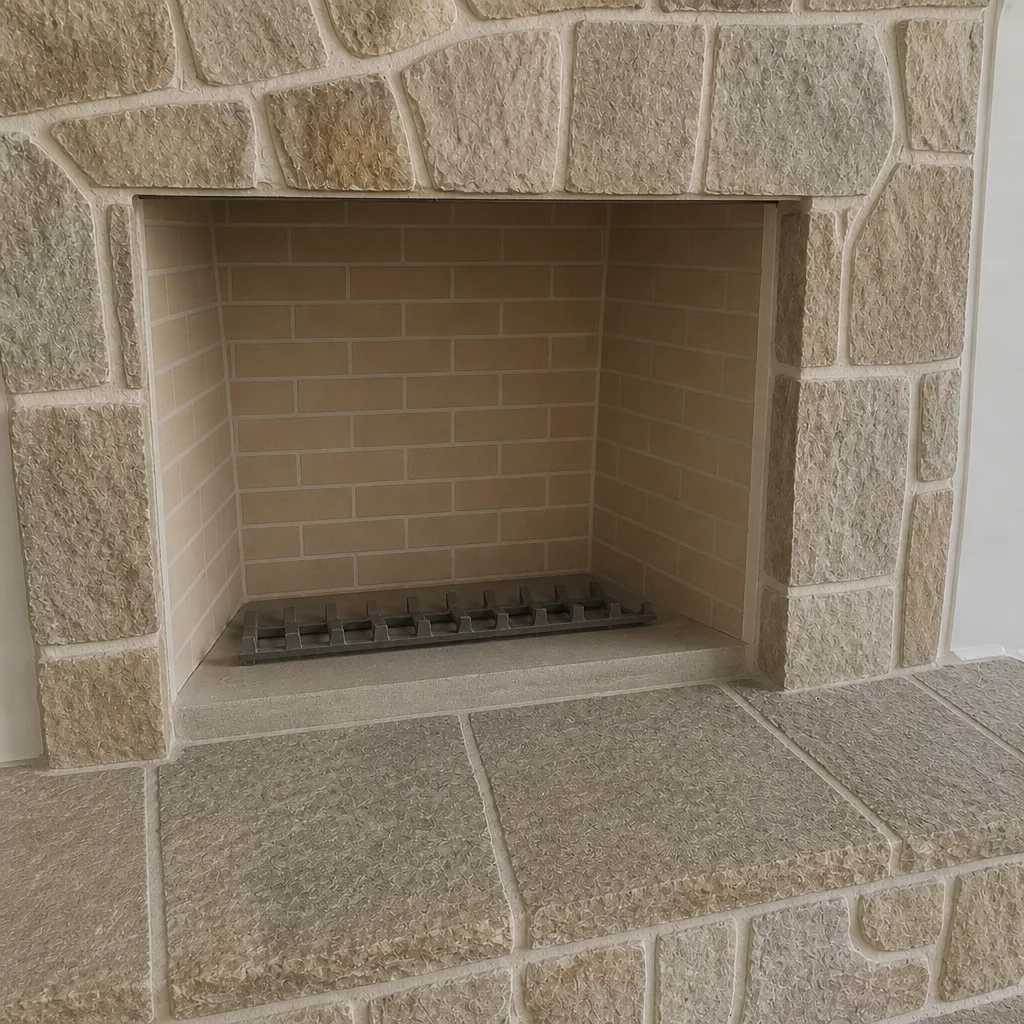
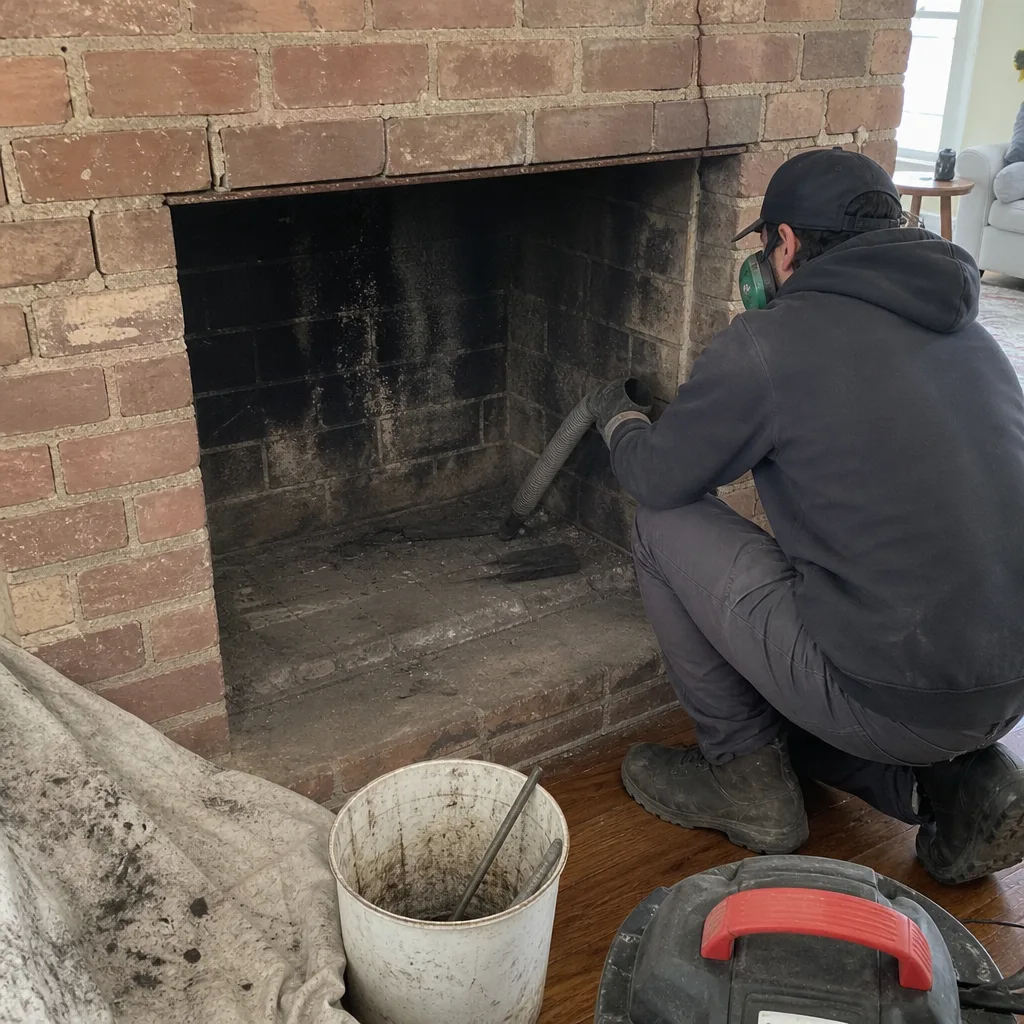
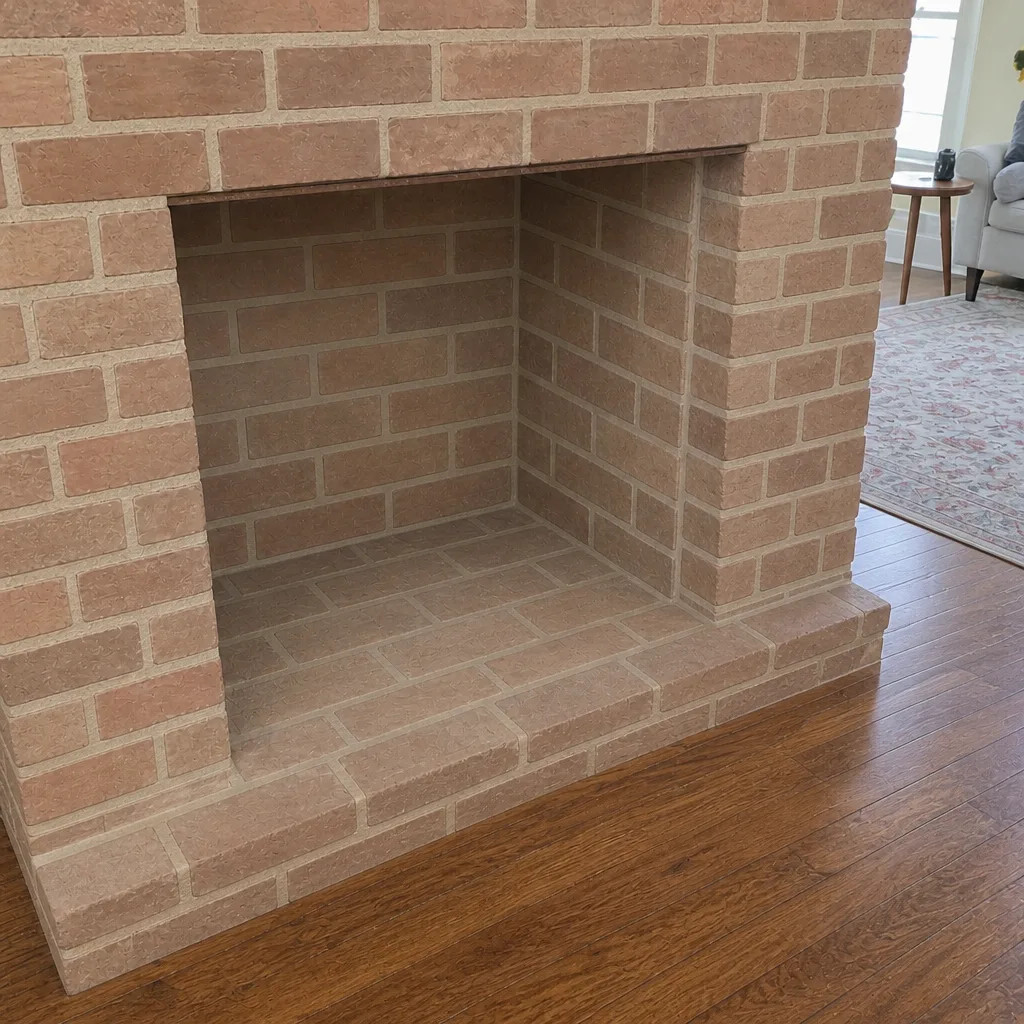
See the difference
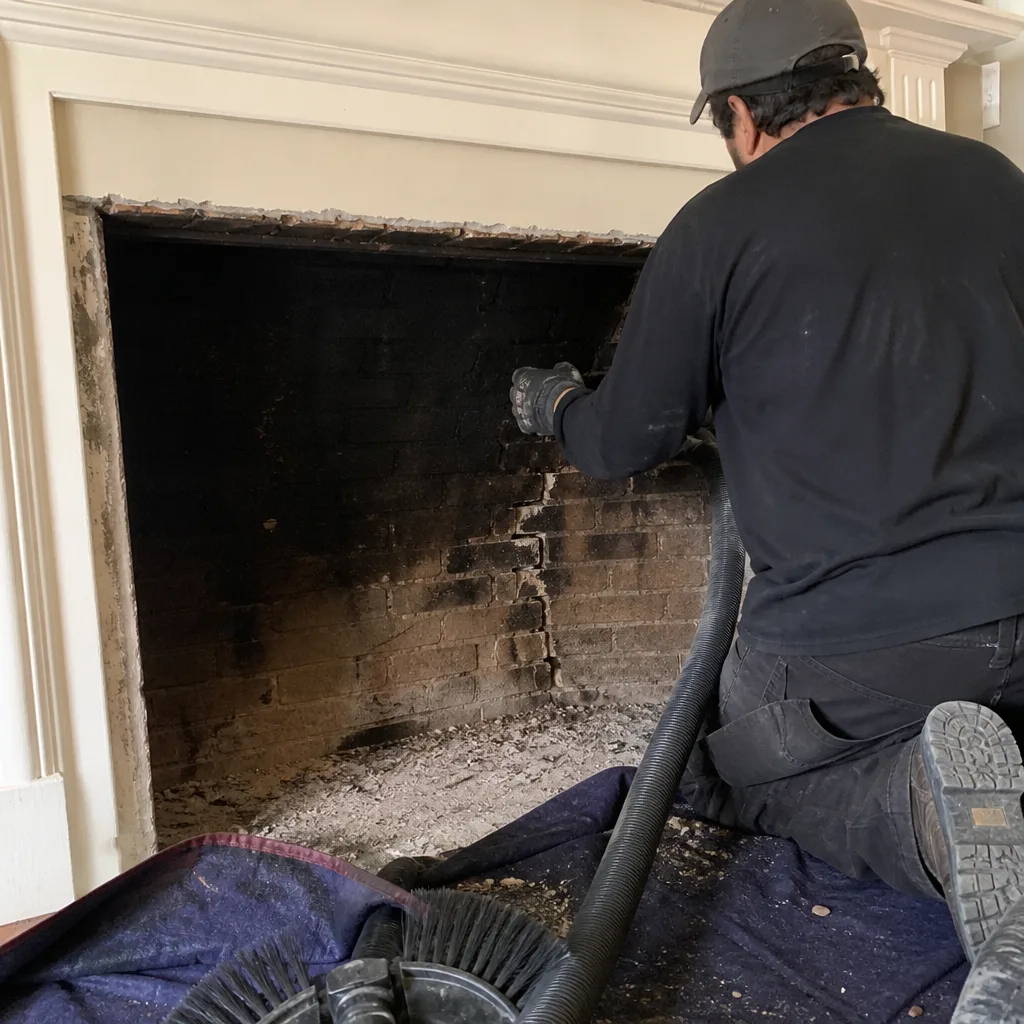 Before
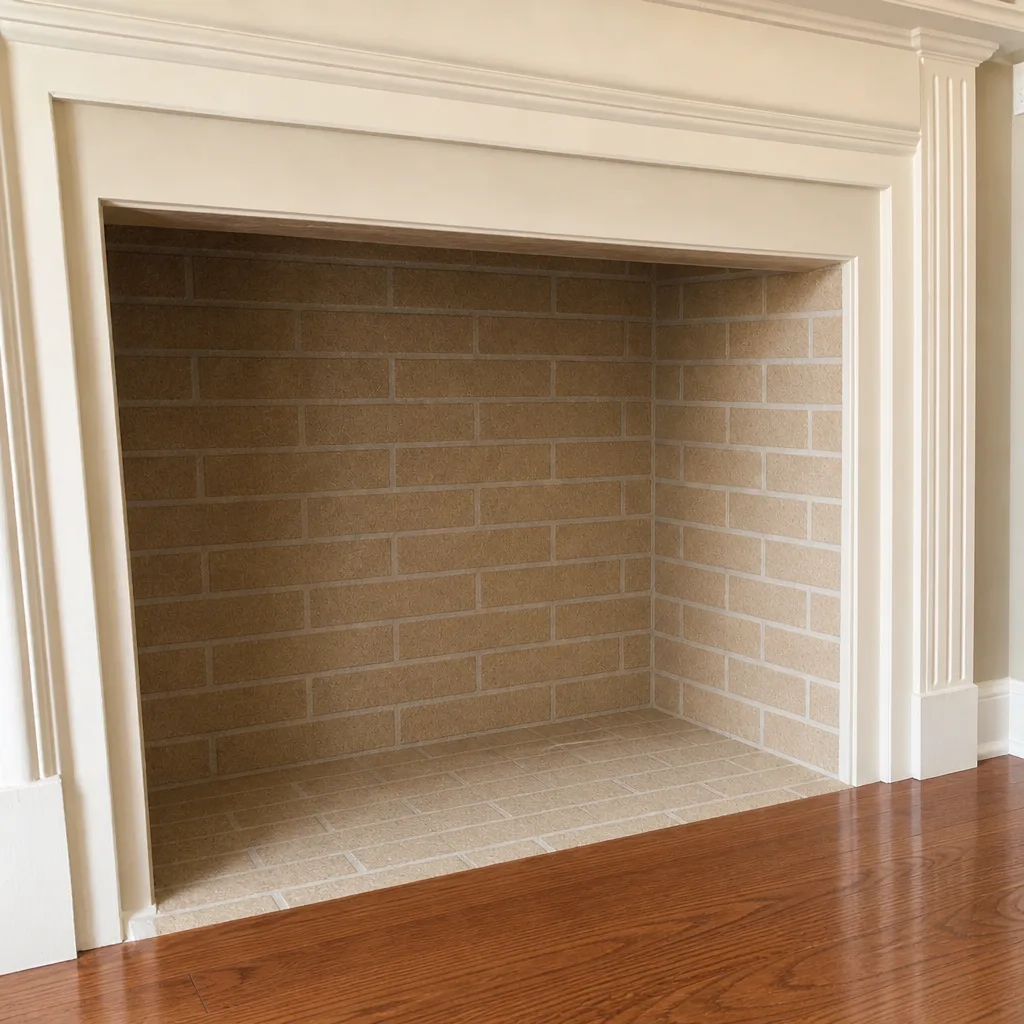 After
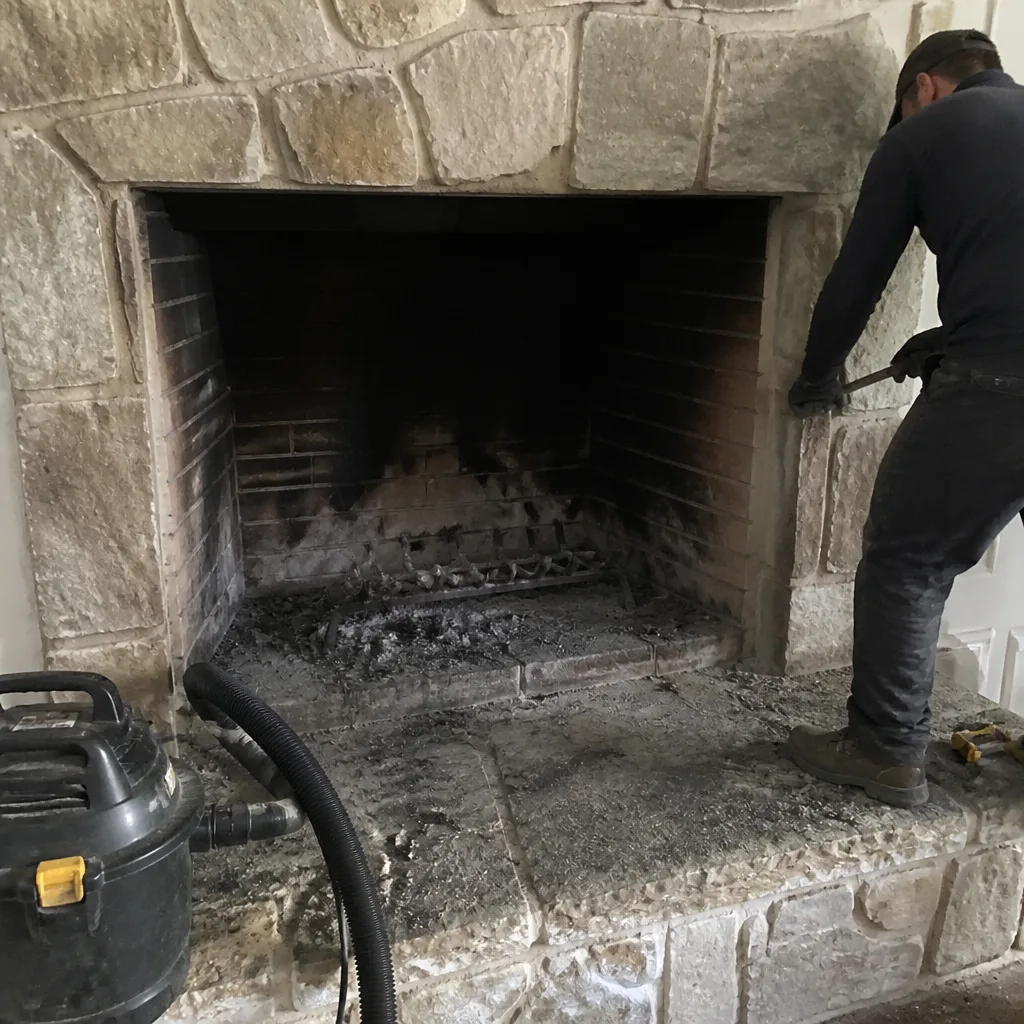 Before
 After
 Before
 After
Common Mistakes to Avoid
- Buying the coupon sweep and stopping there. A $79 sweep is fast work with no documentation and no inspection. If that’s all you buy, you’ve confirmed the flue isn’t completely blocked and nothing else. The cap, crown, flashing and liner go unchecked.
- Skipping the camera scan because the visual looked fine. The most common serious flaws in a Buckhead chimney, a hairline crack in a clay tile or a separated seam in a metal flue, are invisible from the firebox. The camera is the only way to see them, and a quote that avoids mentioning it is a quote that doesn’t have it.
- Hiring a handyman for the liner. Liner installation is a specialized trade. Flexible liner systems, resurfacing with HeatShield and structural repair require specific products, specific training and specific documentation.
- Ignoring a missing cap because the chimney “still works.” A missing cap lets rain in, which degrades the crown, which cracks the flue, which eventually means a liner replacement. The chain runs one direction and the cap replacement is the easiest point on it to break.
- Deferring the cleaning until the firebox smokes. A smoky firebox means the flue is already restricted or cracked. The time to clean is before symptoms start, not after.
- Accepting a package price with no itemization. You can’t compare quotes if you can’t see what’s inside each one. A bundle without a breakdown is a number, not an estimate.
- Using a chimney sweep that doesn’t do repair work. A sweep-only company will often quote you a cleaning and hand you a referral for the liner. That’s two contractors, two trips, and a coordination gap on a job that should have been one visit.
When to Call a Professional
Call a chimney professional when any of these apply: your home has an unknown chimney history (a recent purchase, a property that sat vacant, a home where the previous owner doesn’t remember the last cleaning); your firebox smokes when you burn; you see cracked masonry, a deteriorated crown or a missing cap from the ground; you smell creosote in warm weather; your gas appliance has a flue that hasn’t been inspected; or it’s simply been more than a year. None of these are DIY jobs. High-tension components and confined flue spaces are the two places homeowners get hurt, and both are common in chimney work.
Also call if you’re a buyer in escrow. A Level 2 inspection with camera documentation belongs in the purchase paperwork, and it’s a cheap way to find out whether the chimney you’re buying is sound. Buckhead Chimney Sweep Pros offers free estimates in Buckhead, and we handle the sweep, the inspection, the repair and the fireplace repair under one call. Call (866) 947-8098. We answer 24/7. Fast dispatch from 7am to 7pm, Sunday through Friday.
Our technicians have up to 14 years of experience, and they work with the same professional-grade materials used by certified chimney professionals. If the inspection shows nothing needs doing beyond a cleaning, we say so. The estimate is free and the price is set per job by the written estimate.
Frequently Asked Questions
A basic chimney sweep in Buckhead typically costs $185 to $325 for the 2026 market and includes a Level 1 inspection. A sweep combined with a Level 2 camera scan runs $325 to $550. The written estimate sets the final price. Call (866) 947-8098 for an exact quote. Estimates are free.
You need a Level 2 inspection when the chimney’s history is unknown, after a chimney fire, after a change in fuel type, or when you buy a home. For an annually serviced chimney with no changes, a Level 1 inspection with the cleaning is standard. If you’re buying a house in Buckhead and the seller’s disclosure has nothing on the chimney, ask for the Level 2. It’s the cheapest documentation you’ll ever get on that flue.
A chimney should be swept once per year when it’s in regular use, and after every full season of burning regardless of visible buildup. Gas appliances need an annual inspection too, even though they don’t produce creosote. A home that hasn’t been serviced in over a year is overdue for an assessment. Call (866) 947-8098 to book a sweep.
Creosote builds to a glazed stage that becomes harder to remove and raises fire risk, and a failed crown or missing cap lets water damage the flue liner, which is what turns a $250 cleaning into a $3,000 to $8,000 liner replacement. Carbon monoxide risk rises as a flue becomes compromised, particularly on gas appliances. You can’t see the buildup from the firebox, which is exactly why annual service matters. Call (866) 947-8098 for a free estimate on where your chimney actually stands.
Choose a company that names its inspection level, provides camera documentation you can see, itemizes its estimate, and names the materials it installs. A sweep-only company that hands you a referral for anything found during inspection is not a specialist, it’s a first stop. Look for trade-grade products like DuraFlex, HeatShield, Gelco and Copperfield and the experience to install them correctly. Buckhead Chimney Sweep Pros handles the full system, from cleaning through structural repair, so there’s no coordination gap between contractors.
Yes, and off-season is actually a good time for it. Cleaning removes creosote and soot, which are unaffected by outside temperature. A spring or summer sweep gets the inspection done well before the first cold night of the burning season, when most homeowners remember the chimney needs attention. Book it before you need it. Call (866) 947-8098 and we’ll find you a slot.
The Bottom Line
Chimney cleaning in Buckhead costs what a cleaning plus an inspection is worth, not what the coupon advertises. A basic sweep with a Level 1 inspection runs $185 to $325. A camera-scanned Level 2 inspection adds $250 to $400. Caps run $250 to $600, crown work $350 to $850, and liner work is the big variable at $1,400 to $6,500 depending on whether resurfacing or full replacement is needed. The cheapest line item is the one that documents what’s actually inside your flue, and skipping it is the most expensive decision available. Read every estimate on inspection scope, documentation and materials. Thin quotes hide the work that prevents fire risk.
If you want an honest look at where your chimney stands before burning season, call (866) 947-8098. We answer 24/7. Fast dispatch from 7am to 7pm, Sunday through Friday. The estimate is free, and the written estimate sets the price.
Written by the team at Buckhead Chimney Sweep Pros.