
Last updated November 24, 2026
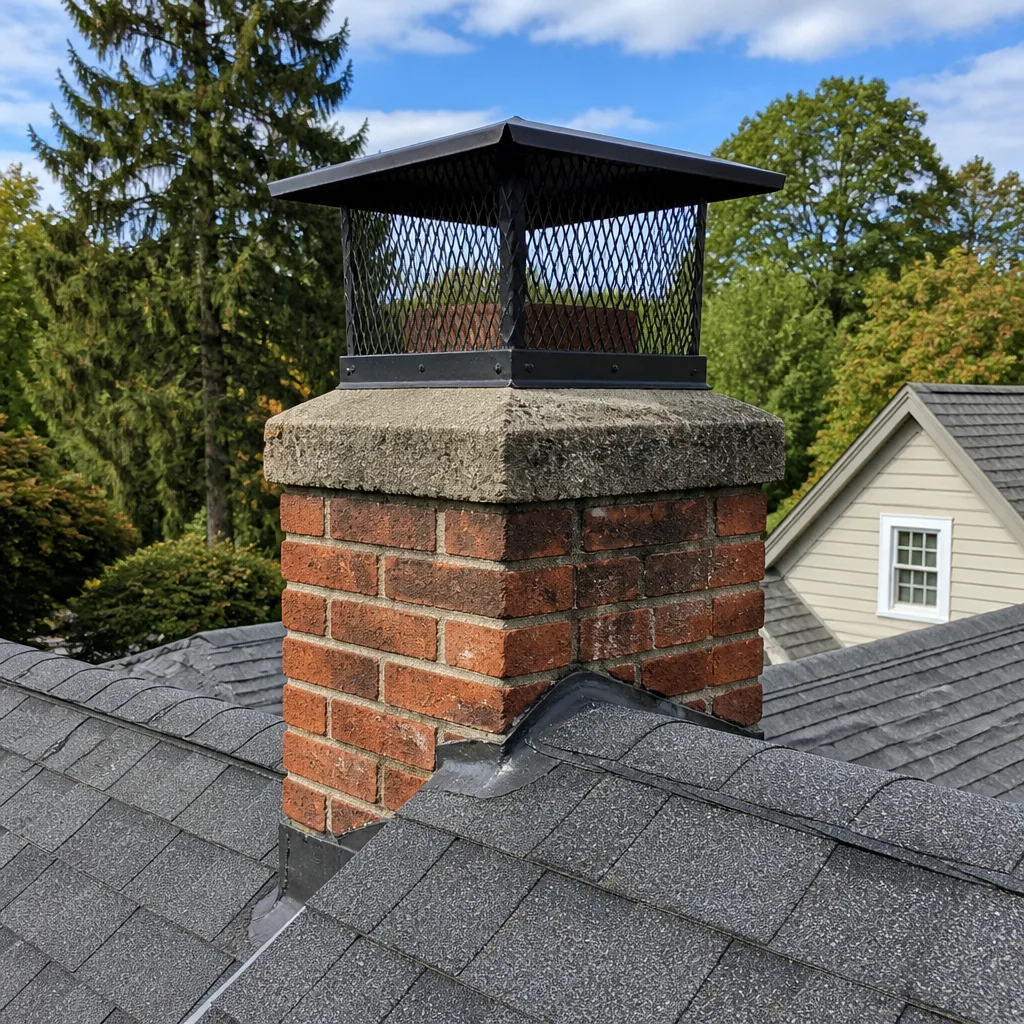 Sweep & inspection
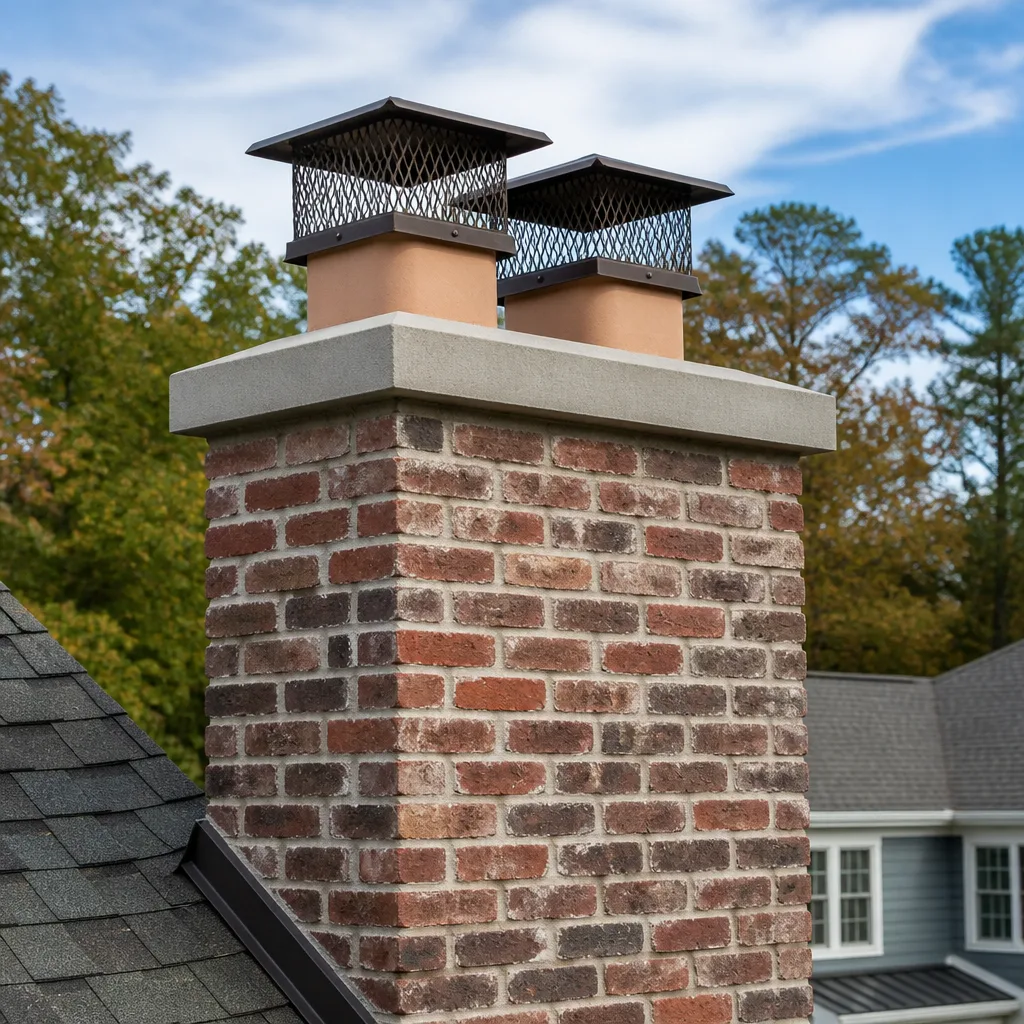 Caps & crowns
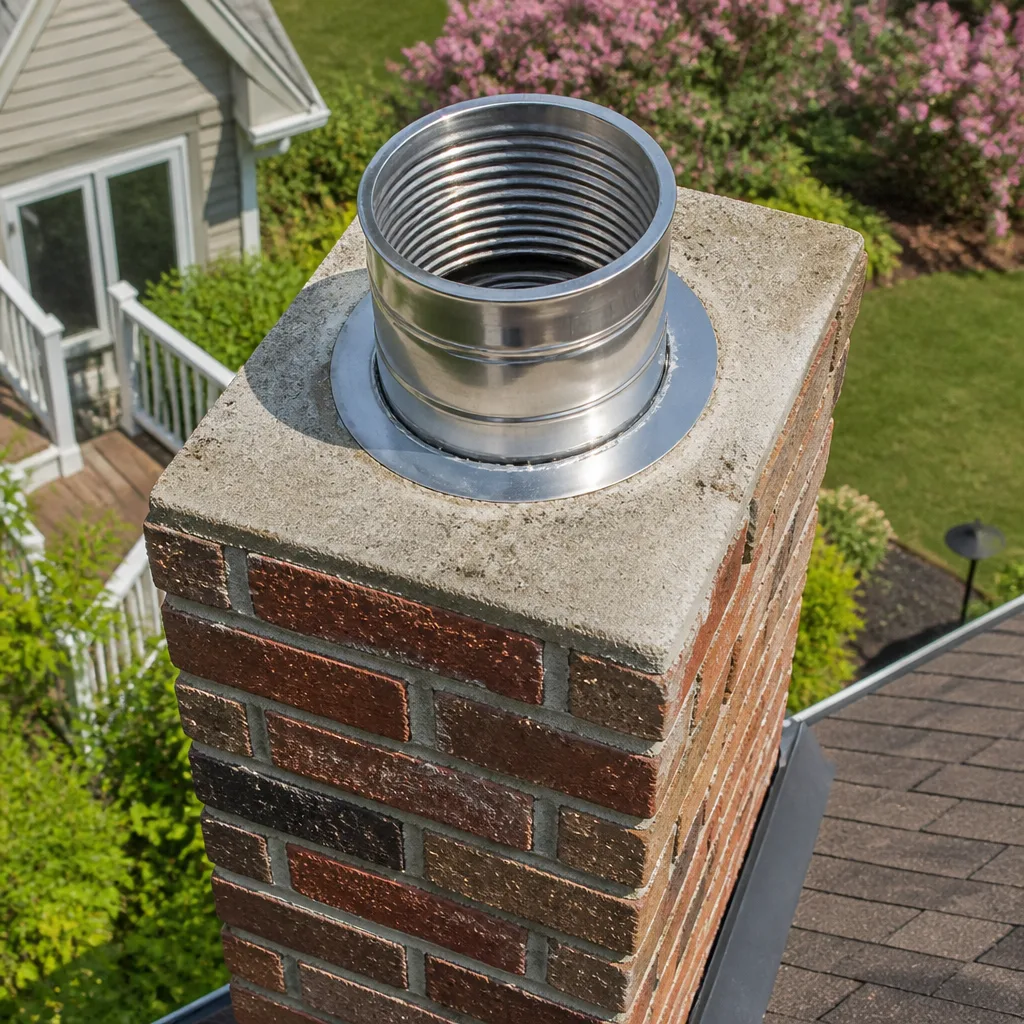 Flue relining
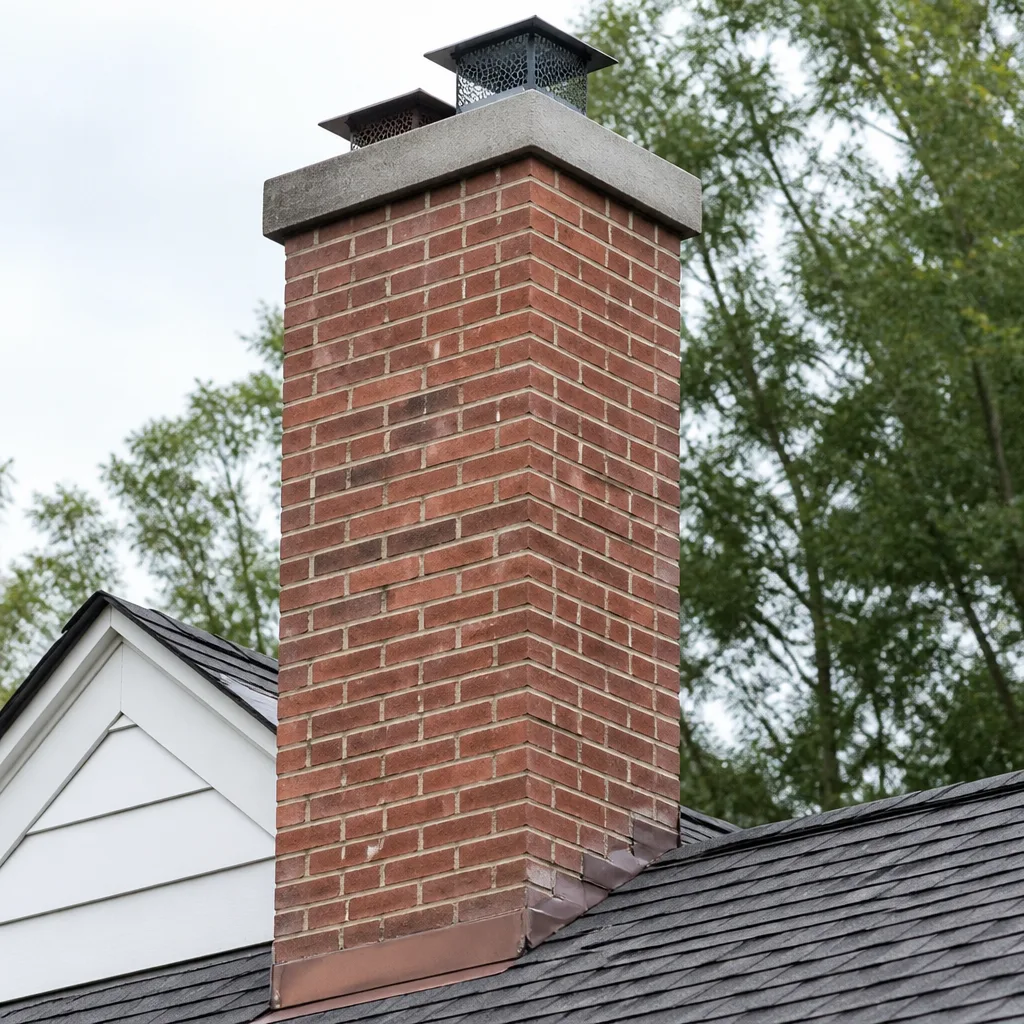 Masonry repair
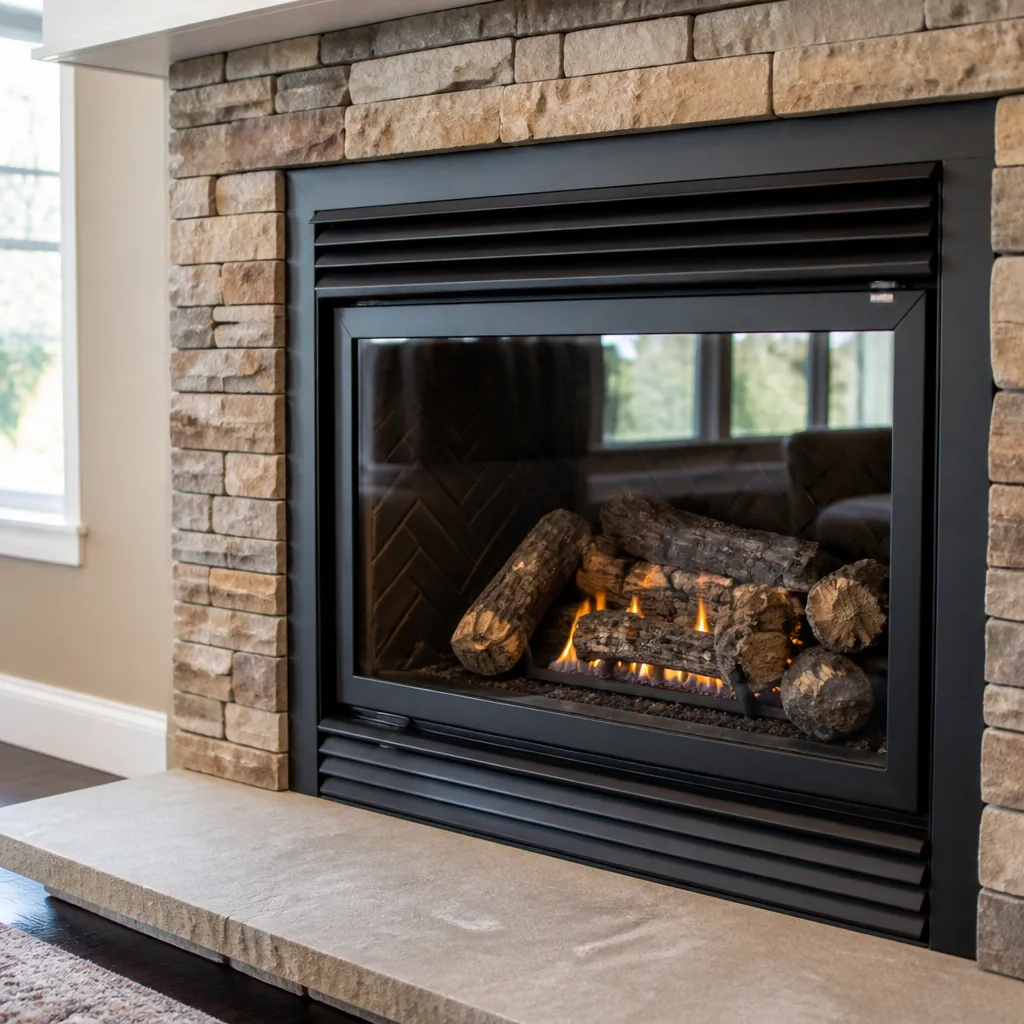 Gas fireplace service
Level 1 sweep and inspection to the NFPA 211 annual standard - flue, crown, cap, and flashing checked and photographed
Chimney sweep logs do not sweep chimneys. They loosen some creosote - which then falls where a brush and vacuum still have to collect it.
DIY vs Professional Chimney Cleaning: The Buckhead Homeowner’s Decision Guide
Here’s the part most chimney cleaning advice skips: a homeowner with a brush and a set of rods can genuinely remove loose, flaky creosote from a straight flue. That’s real work, and it helps. But the creosote that causes chimney fires isn’t the flaky stuff near the firebox. It’s the harder, glazed buildup that collects in the upper flue and smoke chamber, and a hardware-store brush on a rod won’t reach it or take it off. That gap is where DIY goes wrong, not in the cleaning itself but in the assumption that cleaning the reachable part cleans the whole system. In this guide we’ll map exactly what DIY can accomplish by flue section, which Buckhead home configurations make a DIY attempt more likely to miss critical zones, and how to build a hybrid routine that gets honest value from your own effort and a professional’s tools.
Quick Answer
DIY chimney cleaning is fine for removing light, flaky Stage 1 creosote from an accessible firebox and lower flue, but it can’t remove the glazed Stage 2 and Stage 3 creosote in the upper flue and smoke chamber that actually causes chimney fires. The safe approach for most Buckhead homeowners is a hybrid: clean the reachable lower section yourself if you’re comfortable doing it, and book a professional inspection and upper-flue service once a year so the unseen zones get checked with a camera and proper tools.
Styles & brands we work with
- Sweep & inspection
- Caps & crowns
- Flue relining
- Masonry repair
- Gas fireplace service
Table of Contents
- What DIY Cleaning Can Actually Accomplish
- Creosote Stages: Why “Clean” Isn’t a Single Thing
- Buckhead Home Configurations That Make DIY Risky
- The Real Risk: DIY Without Inspection
- Tools and Minimum Practices for DIY Cleaning
- What a Professional Inspection Adds
- How to Build a Hybrid DIY + Pro Routine
- When DIY Should Stop and a Pro Should Start
What DIY Cleaning Can Actually Accomplish
The honest answer is: more than nothing, and less than everything. DIY cleaning works best when the flue is straight, the firebox is accessible, and the buildup is light. It works worst when the chimney has offsets, a smoke chamber above a damper, or older terra cotta liner sections where creosote glazes onto the clay.
Here’s a section-by-section map of what a homeowner can realistically reach and remove, and what typically needs professional tools:
- Firebox floor and walls: Fully DIY. Ash, soot, and light flaky creosote come off with a stiff brush and a shop vacuum rated for fine ash.
- Damper assembly and smoke shelf: Mostly DIY for cleaning, but the shelf behind the damper catches creosote that’s easy to miss and hard to see without a light angled from below.
- Lower flue (first several feet above the damper): Reachable with rods and a brush through the damper if the flue is straight. Light Stage 1 creosote comes off. Glazed Stage 2 does not.
- Upper flue (top third of the chimney): Usually not safely reachable from below in a straight run, and completely inaccessible where the flue offsets. This is where the dangerous glazed creosote accumulates.
- Smoke chamber: The sloped cavity above the damper and below the flue. Almost no homeowner can access it properly, and it’s one of the highest-risk zones in the whole system.
- Chimney cap, crown, and exterior: Visual check only from the ground. Any work at the top of the chimney is height work and belongs to a trained professional.
That’s the real dividing line. DIY cleaning is a lower-section job. The upper flue and smoke chamber are where the fire conditions actually live, and those belong to professional work.
Creosote Stages: Why “Clean” Isn’t a Single Thing
Creosote forms in three recognized stages, and each one behaves differently. If you’re going to make a real decision about DIY vs professional chimney cleaning in Buckhead, this is the concept that matters most.
- Stage 1 – soot and flaky creosote. Loose, dusty, dark flakes. Comes off with a brush. This is what most DIY cleanings remove, and it’s genuinely useful to remove because it’s the fuel that gets things started.
- Stage 2 – hard, crusty, or glazed creosote. Forms when the flue stays cooler and the deposits condense and bake on. It sticks to the liner wall like dried tar. A standard brush skims the surface but doesn’t remove the layer, and this is the layer that ignites.
- Stage 3 – glaze. The most severe form, a shiny, hardened coating that has essentially fused to the liner. Removing it requires rotary tools, chemical treatment, or in some cases liner resurfacing or replacement. No brush-on-a-rod from a hardware store touches Stage 3.
Every chimney fire starts with something combustible in the flue. Stage 2 and Stage 3 creosote are that something. A homeowner who cleans confidently and gets the visible flue ”clean” but leaves Stage 2 and Stage 3 in the upper flue is in a worse position than before, because the visible dusting of soot made the chimney look handled. In our experience, that mismatch between what looks clean and what is actually clean is the single biggest blind spot in DIY chimney work in Buckhead.
Buckhead Home Configurations That Make DIY Risky
Buckhead has a wide range of housing stock, and the age and style of the home changes how risky a DIY attempt is. These are the configurations where a homeowner cleaning from the firebox side is most likely to miss a critical zone:
Tall chimneys
Many Buckhead homes of the 1920s through 1970s have chimneys that run well above the roofline. The taller the flue, the more cooling surface the flue walls present, and the more likely Stage 2 glaze forms in the upper half of the run – exactly the zone no brush from the firebox reaches.
Offset flues
An offset is where the flue jogs sideways to route around a roof valley, a framing member, or a masonry transition. From below, an offset looks like a straight flue that keeps going. It doesn’t. A rod pushed up a flue with an offset stops at the jog, and everything above it never gets touched. Offsets are common in Buckhead homes that have had additions or roof-line changes.
Older terra cotta liners
Clay tile liner sections from pre-1980s construction are prone to spalling, cracked joints, and gaps at the mortar joints between tiles. When a homeowner runs a brush and rods up a damaged terra cotta liner, the brush can catch a piece of cracked tile and either drive it into the flue path or make a failing joint bigger. This damage is invisible from below and shows up on a camera inspection – if there’s one scheduled.
Smoke chambers above the damper
Almost every Buckhead masonry fireplace has a smoke chamber – the sloped void above the damper and below the flue. Creosote collects on the sloped walls, and no homeowner cleaning from the firebox side reaches those surfaces effectively. Professional tools and a camera do.
If your Buckhead home has any of these features, a professional chimney sweep is the safer plan even if you’re comfortable doing the lower-section work yourself.
The Real Risk: DIY Without Inspection
The campaign against DIY chimney cleaning usually sounds like “DIY is dangerous.” That’s not quite accurate and it misses the point. The real problem with DIY cleaning is more specific: it addresses the visible surface and leaves the unseen conditions, which is the fuel load in the flue, the condition of the liner, and the integrity of the flue joints, entirely unexamined.
Here’s what can be sitting behind a freshly brushed firebox without anyone noticing:
- Glazed creosote in the upper flue – the actual fuel for a chimney fire, invisible from below, unreachable by a standard brush.
- Cracked or spalled liner sections – breaks in the flue surface that let heat and combustion gases reach the surrounding structure, which is a fire hazard and a path for carbon monoxide to escape into the living space.
- Failed flue joints – gaps between liner sections where gases leak, common in older Buckhead masonry chimneys.
- Blockages – bird nests, deteriorated masonry, or a leaf damper that’s failed. A blockage pushes smoke and combustion gases back into the home instead of up the flue.
- Deteriorated smoke chamber – rough or crumbling surfaces in the smoke chamber can catch sparks and creosote that would otherwise stay off the wall.
A chimney fire needs three things: fuel, heat, and a flue to run up. DIY cleaning removes some fuel from the lower flue. A professional inspection finds and resolves the fuel load and heat conditions in the upper flue and smoke chamber, and verifies the flue is a safe conduit. Both are useful. Only one addresses the actual fire and carbon monoxide risk. That’s the honest risk calculus, and it’s why the answer isn’t “don’t DIY” – it’s “don’t DIY without inspection.”
Tools and Minimum Practices for DIY Cleaning
If you’ve decided to handle the accessible firebox and lower flue yourself, here’s the equipment and the safety practices that make the effort worth it. None of this replaces a professional inspection, and none of it should tempt you onto the roof or into the flue from the top.
Tools that work
- Chimney brush matched to the flue diameter (round for round flues, square for square, poly for terra cotta liners, wire only if you know your liner can take it – a wire brush on a clay liner can do damage a poly brush won’t).
- Flexible fiberglass rods long enough for the reachable run.
- Shop vacuum rated for fine ash and soot, ideally with a HEPA filter, to control the dust plume.
- Drop cloth anchored over the firebox opening, and painter’s tape on the surround.
- N95 or better respirator, goggles, and long sleeves – soot and creosote dust are respiratory irritants.
- Bright work light aimed up the flue from the firebox so you can actually see the reachable section.
Minimum practices
- Never work while a fire has burned in the last 24 hours. Embers stay hot long after the visible fire is out.
- Confirm the damper is fully open before you send a brush past it, or you’ll jam a brush against the damper blade and have to disassemble the assembly.
- Stop if you feel resistance. Resistance in the rod usually means an offset, a step in the flue, or a damaged liner tile – all cases where continuing risks damage.
- Do not go onto the roof. Any work at the top of the chimney is height work with real fall risk. A camera inspection and the upper-flue service are the professional’s job.
- Bag the debris and dispose of it outdoors, well away from the structure. Creosote is combustible.
- Note what you saw and felt. A quick written record of buildup level and any resistance in the rod is useful when you book the pro inspection.
If you’re going to do the reachable section yourself, be honest about what you’re not doing – the lower flue cleanup is not the whole system.
What a Professional Inspection Adds
A professional inspection is not a fancier version of the DIY cleaning you did. It’s a different category of work altogether, and that’s what most homeowners undervalue about professional chimney cleaning in Buckhead.
A proper inspection – Level I for an annual check on a chimney with no changes, Level II for a new-to-you home, a change in fuel or appliance, real estate sale, or insurance documentation – covers parts of the system you can’t reach from the firebox:
- Camera inspection of the flue. A camera run from top to bottom of the flue identifies Stage 2 and Stage 3 glaze, cracked and spalled terra cotta tiles, open joints, and obstructions that no angle from below reveals.
- Smoke chamber evaluation. Sloped surfaces, deterioration, and creosote load in the smoke chamber are visible and correctable with the right tools.
- Cap, crown, and exterior condition. A failed cap lets water, birds, and debris into the flue. A cracked crown lets water into the masonry. Both cause the internal damage that leads to expensive repairs downstream – neither is easily seen or fixed from the ground.
- Liner integrity and cold-joint assessment. Whether the liner can safely contain the combustion gases and heat of the next fire is a professional judgment, backed by a camera and, where needed, resurfacing capability.
- Documentation. A written record with the camera findings is what insurance companies and buyers want to see.
Where the inspection finds a failing liner, resurfacing with HeatShield or relining with a DuraFlex flexible liner is the range of solutions we handle. Many sweep-only companies have to refer those jobs out – a professional-grade material capability is what lets a specialist handle them directly. If you noticed visible damage or haven’t had a chimney serviced in over a year, the inspection layer is the part you shouldn’t try to substitute.
How to Build a Hybrid DIY + Pro Routine
The hybrid model gives you the honest value from both: you do the reachable, lower-risk work yourself, and a professional covers the higher-risk zones and verifies the safety of the system. Here’s a routine that makes sense for a Buckhead home with a wood-burning fireplace:
- Clean the firebox and lower flue yourself once a year at the end of the burning season, using the tools and practices above. Remove Stage 1 soot and flaky creosote before it becomes harder to manage.
- Book a professional inspection and upper-flue service once a year regardless of how much you cleaned. The annual interval matters more than whether you cleaned, because the conditions that build in the upper flue and smoke chamber are cumulative and partly invisible from below.
- Sweep more often if you burn a lot. Homes that burn wood heavily through the season benefit from professional service at a shorter interval. Chimney professionals evaluate creosote level and set the next interval from what they see, not from a fixed calendar.
- Have the cap and crown checked at every visit. A missing or failed cap is one of the most common causes of water and debris intrusion, and it’s cheap to replace at the same visit – Gelco and Famco caps in stock let the appointment carry the fix through instead of a return trip.
- Keep your own log. Note the date, what you removed, any resistance in the rods, and what the inspection found. That record helps you spot changes year to year and supports insurance documentation.
- Book an inspection before you buy a Buckhead home with an unknown chimney history. A pre-purchase Level II inspection is where the liner condition and creosote level get established before they’re your problem.
If the inspection finds a liner issue that needs resurfacing or replacement, that is the case where a sweep-only company turns the work away and a specialist handles it directly. The products we work with – DuraFlex flexible liner systems, HeatShield ceramic resurfacing, and Olympia Chimney components – reflect the same material supply chain used by certified chimney professionals.
Used well, the hybrid routine is cheaper than a full pro service every year and safer than DIY alone. It’s the same idea whether you’re in Buckhead proper, in a nearby neighborhood, or just settling which tasks go where in your own system.
When DIY Should Stop and a Pro Should Start
The clearest way to know where DIY stops is to recognize the conditions that put a homeowner past the edge. Stop and call a professional when any of the following is true:
- You feel resistance in the rod. An offset, a flue step, or a broken liner tile – all cases where continuing a DIY brush risks damage.
- You see shiny, hard, glazed creosote anywhere in the lower flue. You’re seeing the top of Stage 2. The upper flue almost certainly has more.
- You see cracked or missing terra cotta tiles or missing mortar between tiles. That’s a liner problem, not a cleaning problem.
- You have a chimney under 20 feet on a modern home or a gas appliance venting into a masonry flue. These configurations behave differently from a standard wood-burning masonry chimney, and the inspection interval guidance that’s fine for wood may not fit the flue.
- You’ve never had the chimney inspected or you bought a Buckhead home with unknown chimney history. This is the inspection reason, not the cleaning reason, but it’s the strongest one.
- There’s any smoke backup into the room, a smoky firebox, or a smell when the fireplace is off. These are signs of a failed draft or a blocked flue, not a cleaning shortcut.
If any of these apply, the right call is a professional inspection before any more cleaning. We handle the full chimney system in one visit – inspection, upper-flue cleaning, cap and crown check, and fireplace repair if needed. For a fireplace that smokes or a firebox that shows visible damage, see fireplace repair before you schedule a sweep.
Common Mistakes to Avoid
- Assuming “clean” means “safe.” A brushed firebox with glazed creosote in the upper flue looks clean and isn’t. The two conditions are completely different problems and only one of them causes fires.
- Using a wire brush on a clay liner. Wire brushes scrape the clay surface and can lift already failing tiles. Poly brushes are the safe choice unless a professional confirms the liner can take more.
- Skipping the inspection because you cleaned. Cleaning and inspecting are separate tasks. The reason to book an inspection once a year is to catch the conditions cleaning can’t reach – that’s the whole point.
- Climbing onto a Buckhead roof to check the cap or sweep from above. Height work is a fall risk that belongs to a trained professional, and the view from the roof isn’t a substitute for a camera inside the flue.
- Burning green or unseasoned wood to ”help” the creosote problem. It does the opposite – cooler, wetter smoke deposits more creosote on the flue walls, making the upper-flue buildup worse and faster.
- Cleaning right after a fire has burned. Embers stay hot long after the fire looks out. That’s the easiest safety miss to make and the easiest one to avoid.
- Treating a missing cap or a cracked crown as a cosmetic issue. These are the entry points for water and debris that cause liner damage and structural deterioration – catching them at the same visit as the sweep is almost always the cheaper path.
See the difference
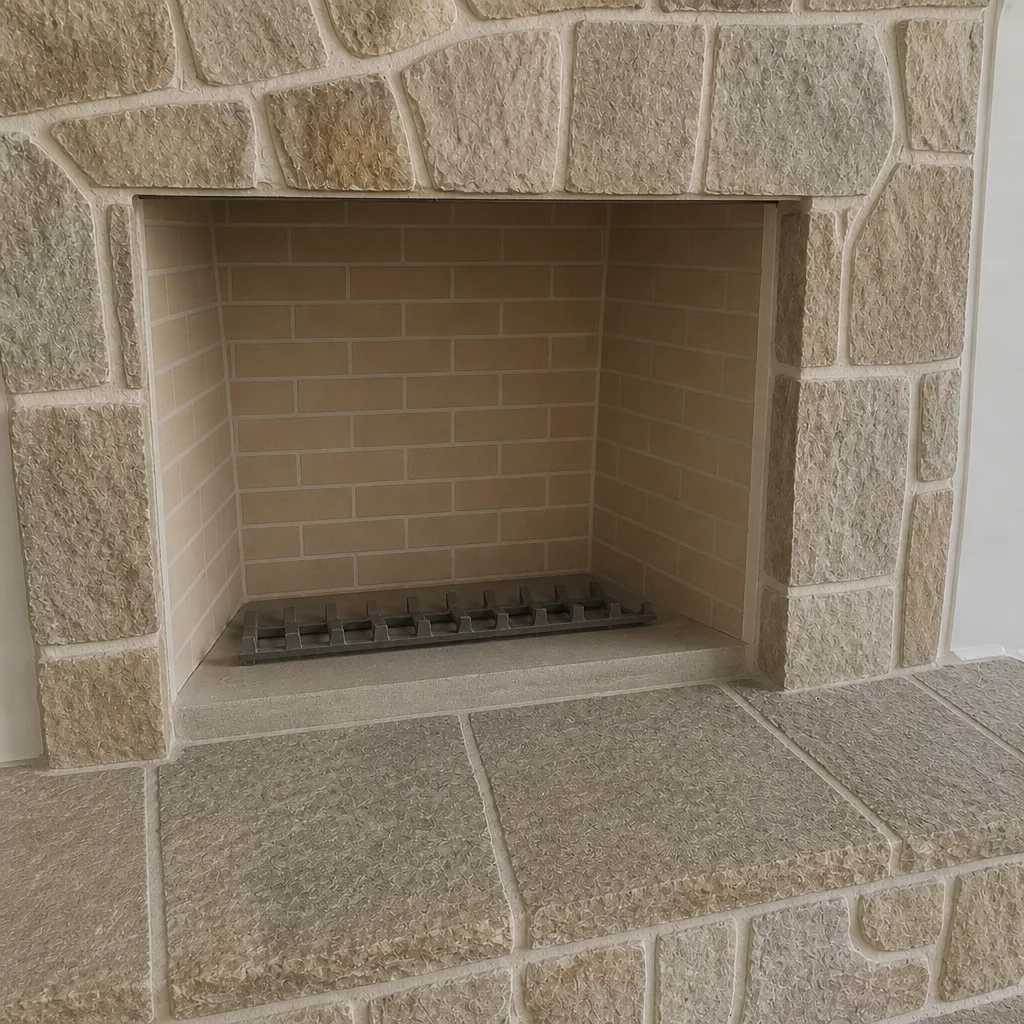
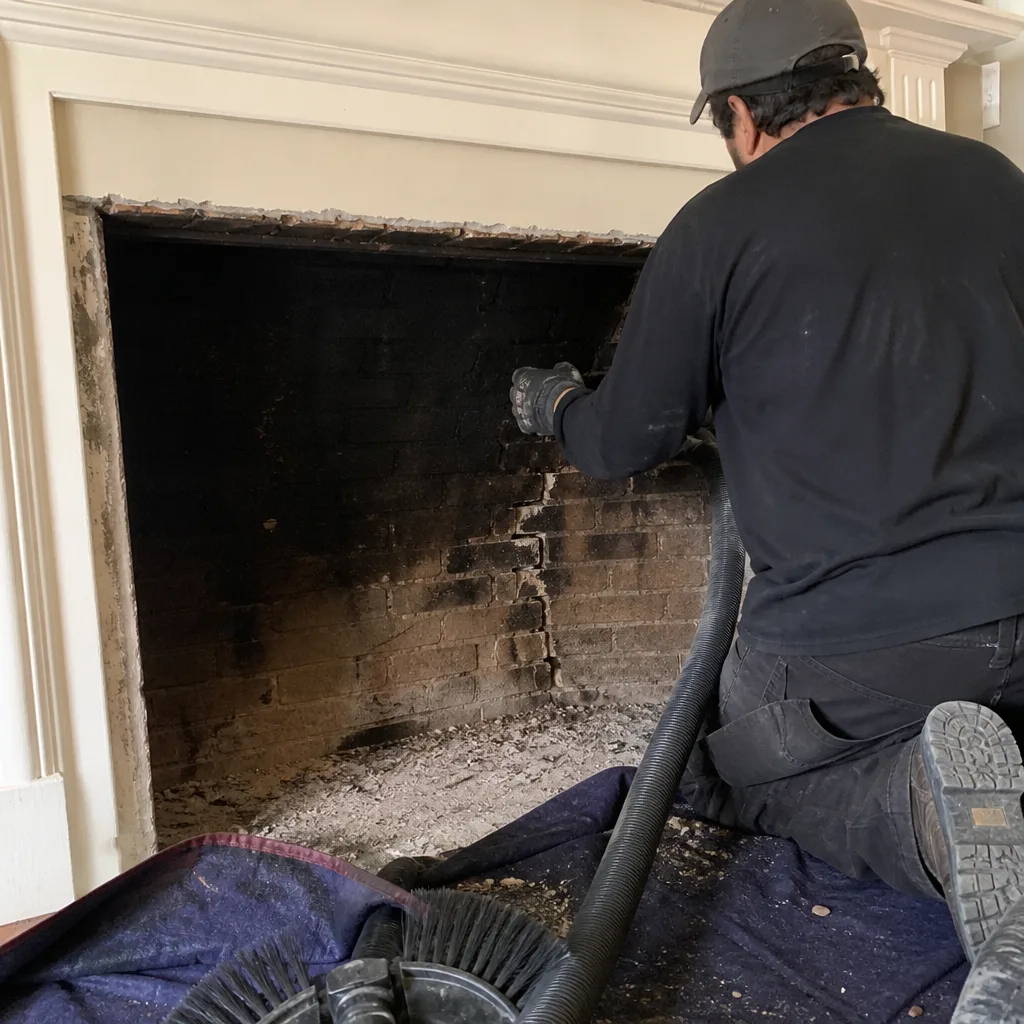 Before
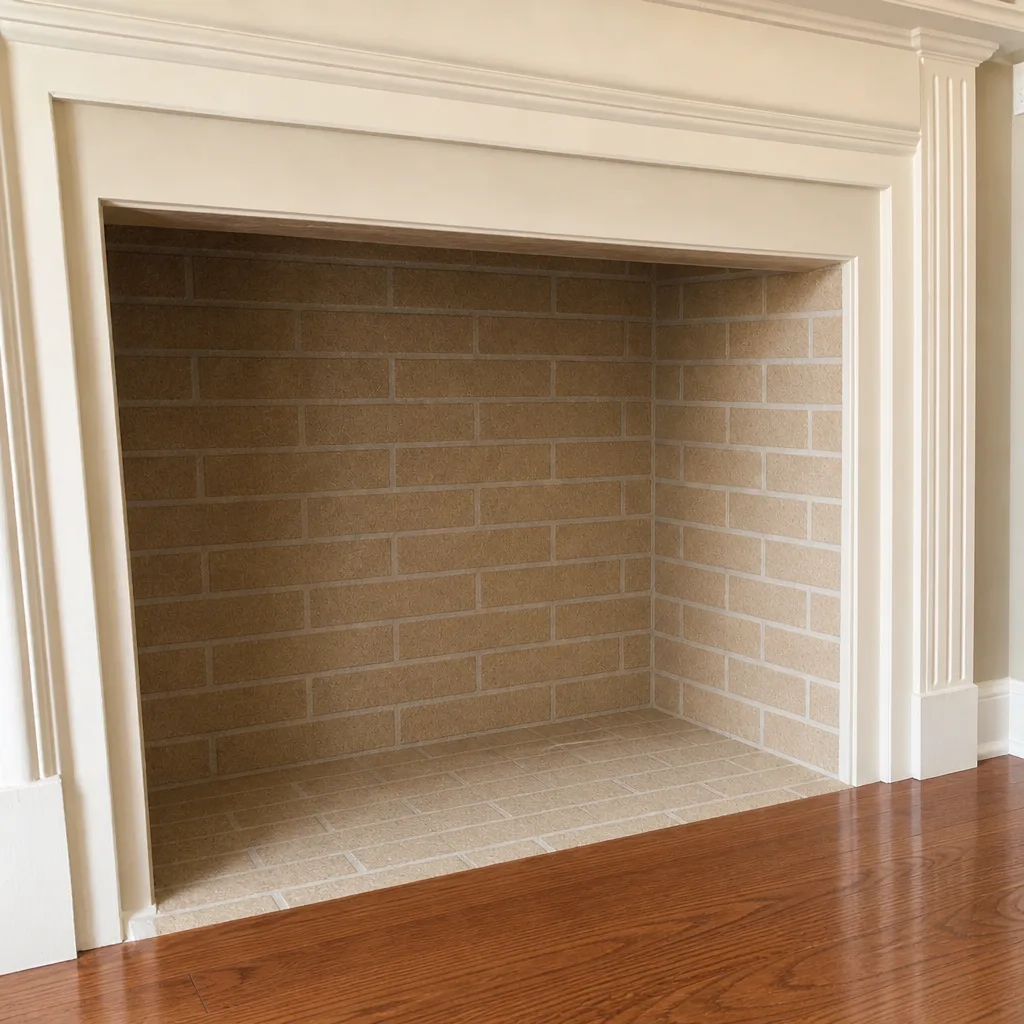 After
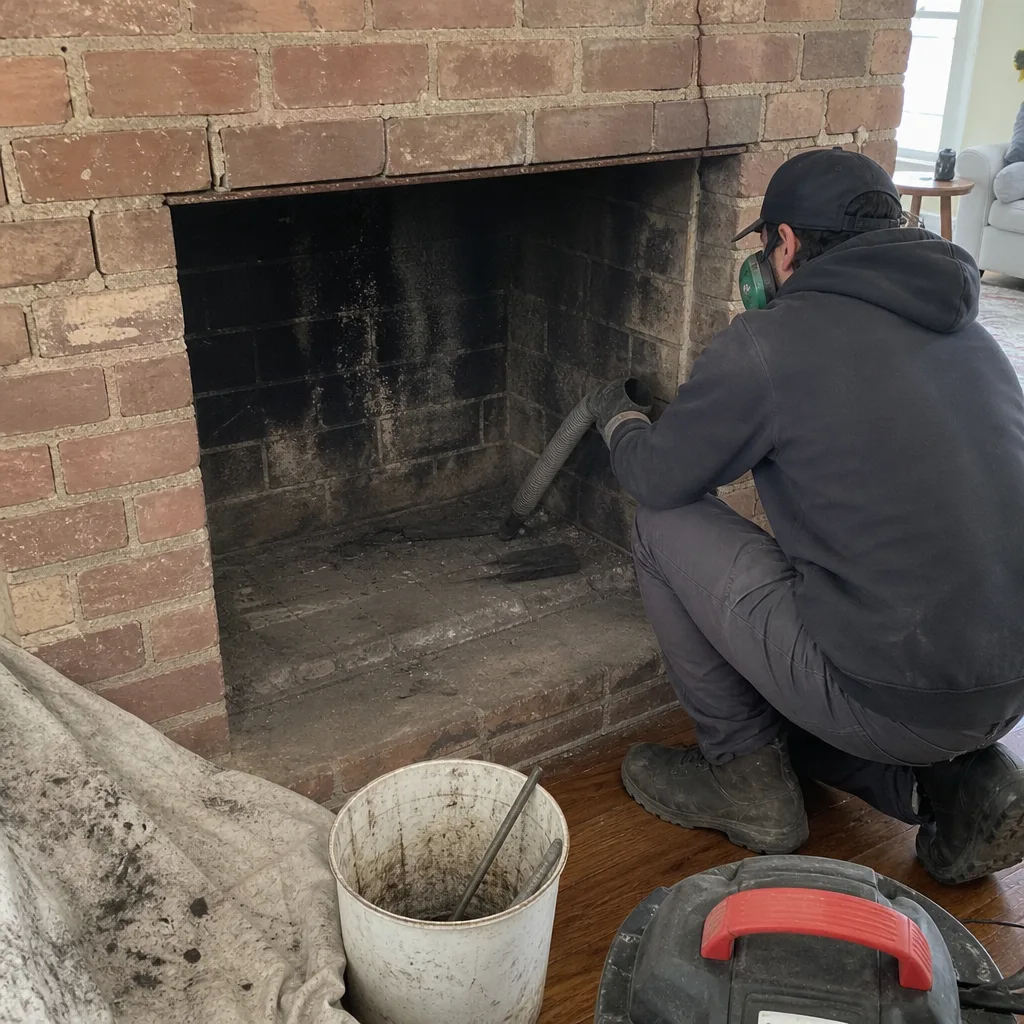
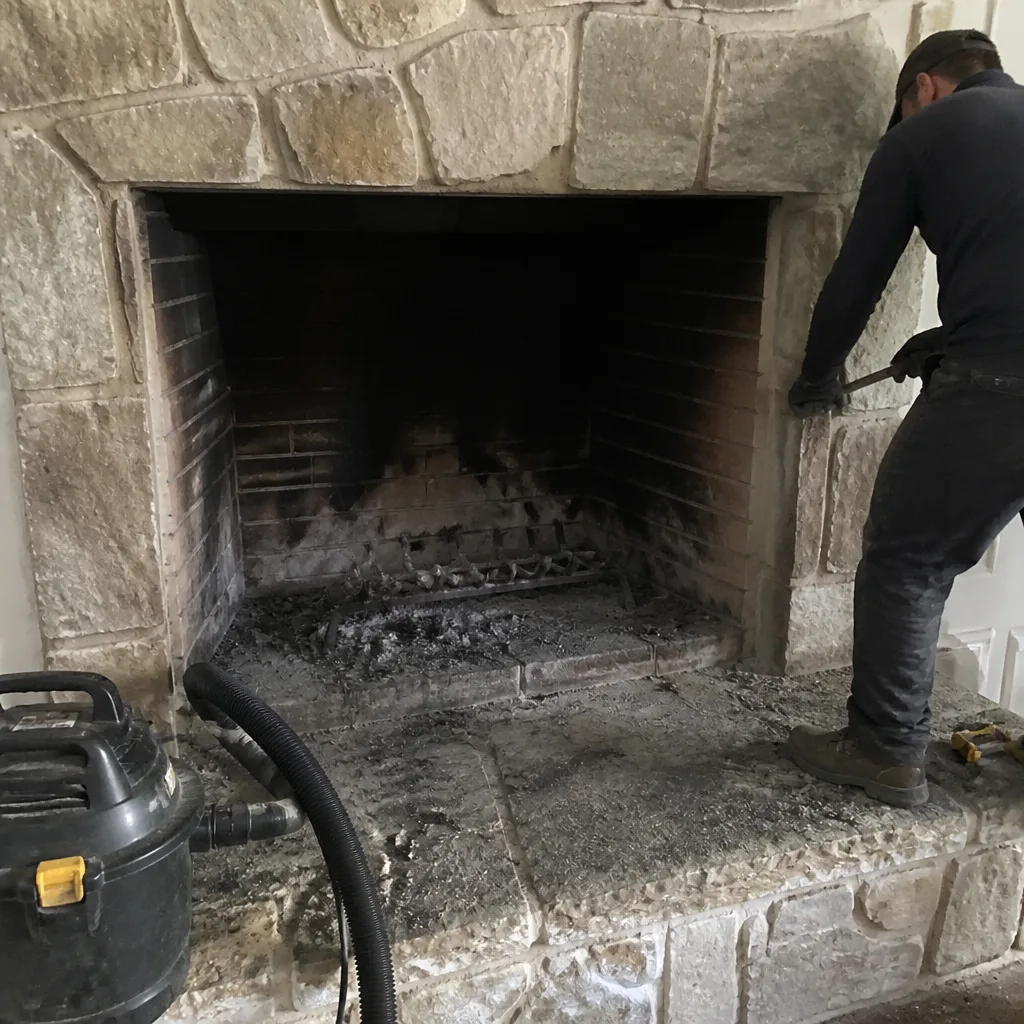 Before
 After
 Before
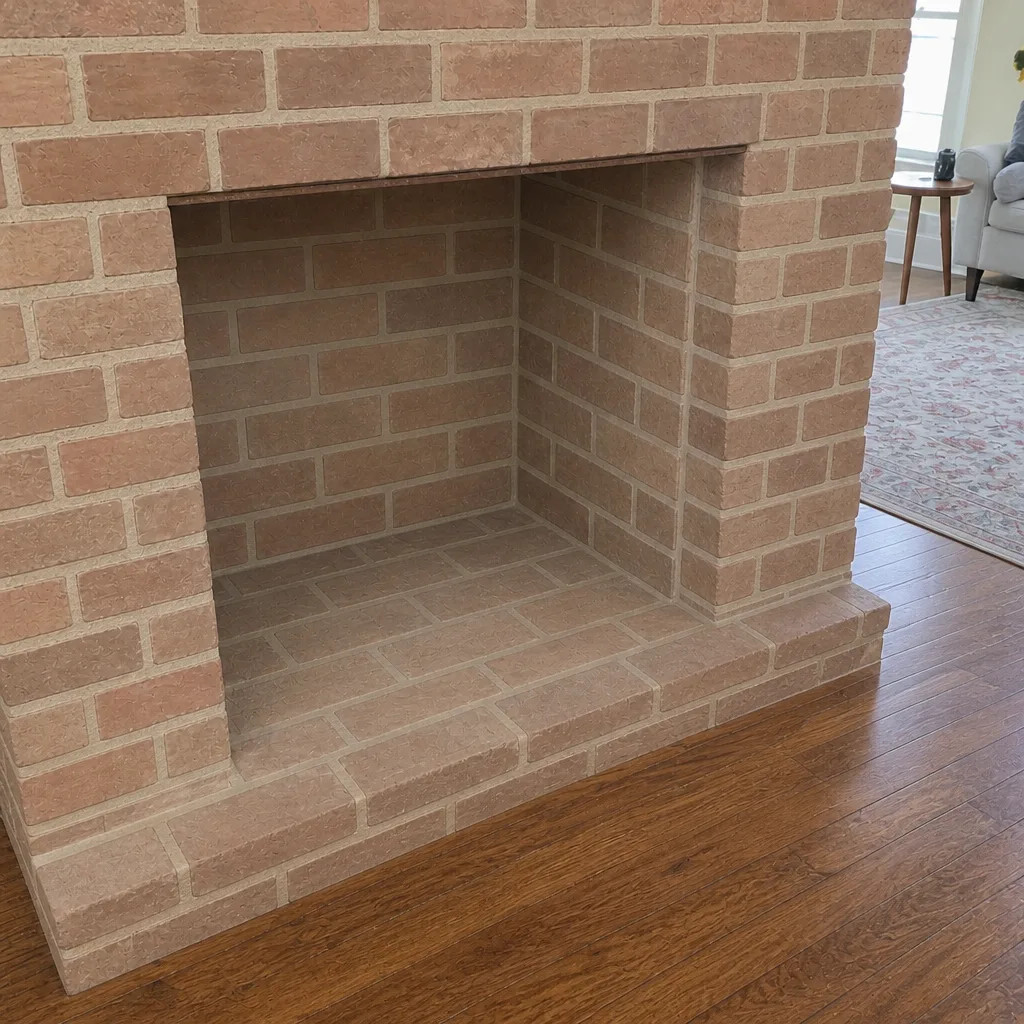 After
When to Call a Professional
Call a professional chimney service when any of these apply at your Buckhead home: the flue has any offset, the liner is older clay tile, you’ve never had the chimney inspected, the home is new to you, the fireplace has smoked or backed up, the chimney cap is missing, or the crown shows visible cracking. Also call if you’ve been cleaning the lower flue yourself for a while and haven’t had the upper flue and smoke chamber examined – that’s the check that closes the safety gap. chimney cap & crown work is the same visit. Buckhead Chimney Sweep Pros offers free estimates in Buckhead – call (866) 947-8098. We answer 24/7. Fast dispatch from 7am to 7pm, Sunday through Friday.
Frequently Asked Questions
Chimney sweeping in Buckhead typically runs in the range a specialized professional charges for a standard cleaning plus inspection, and the final price is set per job by a written estimate before any work begins. The estimate account includes the sweep, the inspection findings, and any cap or crown work that’s recommended. Prices vary with flue condition, access, and whether a liner issue needs resurfacing. Call (866) 947-8098 for an exact quote – estimates are free.
You can clean the accessible firebox and lower flue yourself, but you shouldn’t skip the annual professional inspection, because that’s the only way the upper flue, smoke chamber, and liner condition get checked. DIY cleaning and DIY inspection aren’t the same job. The hybrid routine – self-clean the lower section, pro inspect the full system – is the sensible middle. Call (866) 947-8098 to book the inspection – estimates are free.
Most wood-burning chimneys in Buckhead are swept once a year, and homes that burn wood heavily through the season benefit from a shorter interval. The right number depends on how much creosote has accumulated, which a professional evaluates at each visit. Gas fireplaces still need an annual check even with light residue. Call (866) 947-8098 for a professional assessment – estimates are free.
Creosote accumulates in the flue until it becomes fuel for a chimney fire, and a blocked or damaged flue can also let carbon monoxide back into the living space. The dangerous conditions are invisible from the firebox, so skipping the cleaning doesn’t announce itself. Skipping for one season is a risk most homeowners decide whether to accept; skipping for years is a different risk altogether. Call (866) 947-8098 to get the flue inspected before the next burning season – estimates are free.
You usually can’t tell from the firebox side – Stage 2 glaze looks like dark, hard crust on the flue wall, and Stage 3 glaze is shiny and fused, and both typically live in the upper flue where a brush from below can’t see them. A camera inspection from top to bottom is the reliable way, and the same visit can assess the smoke chamber. Call (866) 947-8098 for a camera inspection – estimates are free.
A new liner or liner resurfacing is only recommended when a camera inspection shows the existing liner can’t safely carry heat and combustion gases – cracked or spalled tiles, open joints, or glaze that can’t be removed. Anyone who recommends a liner replacement should show you the camera evidence, and work can often wait if the liner is still sound at the next inspection interval. We schedule a resurfacing or a DuraFlex reline only when the inspection supports it. Call (866) 947-8098 for a camera inspection with the findings shown to you – estimates are free.
The Bottom Line
DIY chimney cleaning isn’t reckless, and it isn’t a full solution – it’s a lower-section job. The danger is cleaning what’s reachable, calling the chimney handled, and leaving the upper flue and smoke chamber – where Stage 2 and Stage 3 creosote accumulate, where liner cracks hide, and where chimney fires actually start – unexamined. The right answer for a Buckhead home with a wood-burning fireplace is the hybrid: clean the accessible firebox and lower flue yourself, book a professional inspection and upper-flue service once a year, and check the cap and crown at the same visit. That routine gets honest value from both efforts and closes the gap that pure DIY leaves open. Your entire chimney system – cleaned, inspected, and repaired in one call.
Talk to a Buckhead Chimney Specialist
If you’ve been cleaning the lower flue yourself and haven’t had the upper flue and smoke chamber checked, the next useful step is a professional inspection. Buckhead Chimney Sweep Pros handles the full system in one visit – sweeping, Level I and Level II inspection, cap and crown, liner integrity, and any repair the inspection supports. Call (866) 947-8098 for a free estimate. We answer 24/7. Fast dispatch from 7am to 7pm, Sunday through Friday.
Written by the team at Buckhead Chimney Sweep Pros.