
Last updated November 24, 2026
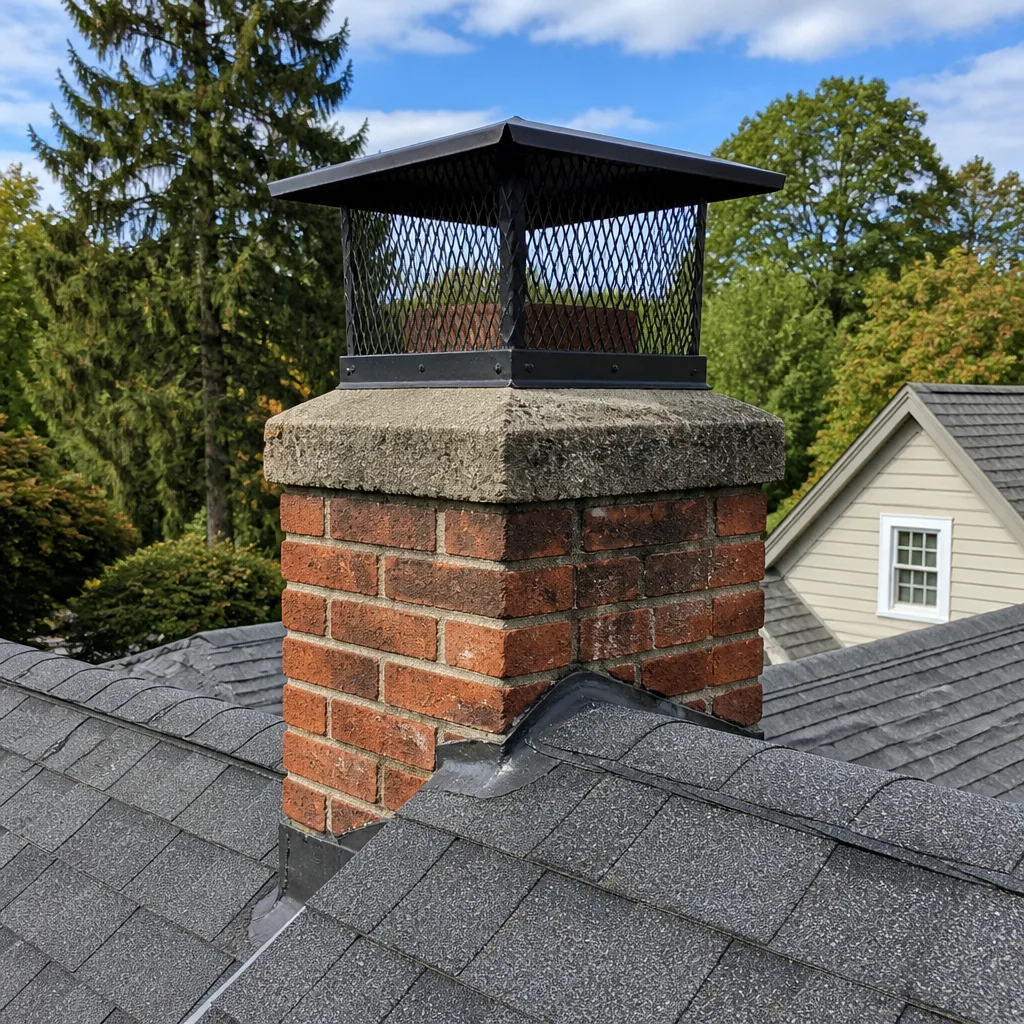 Sweep & inspection
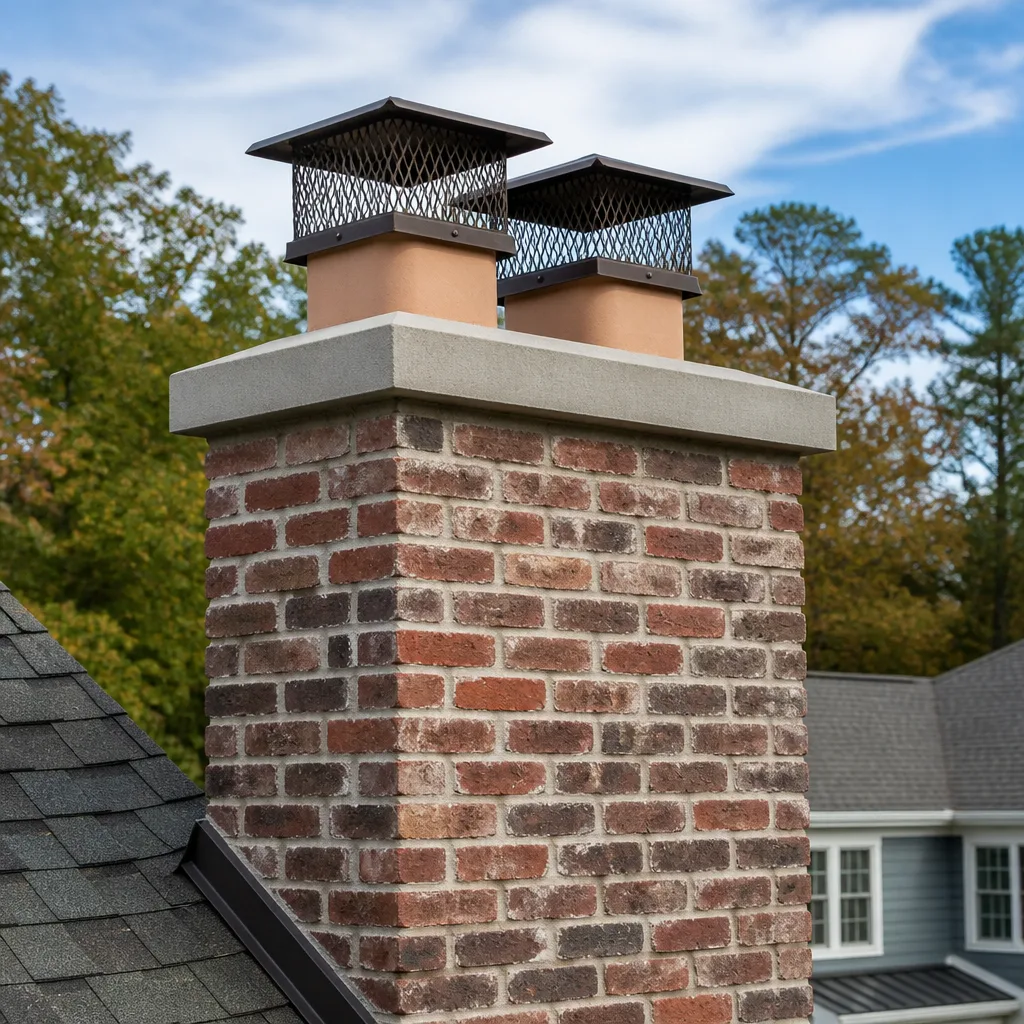 Caps & crowns
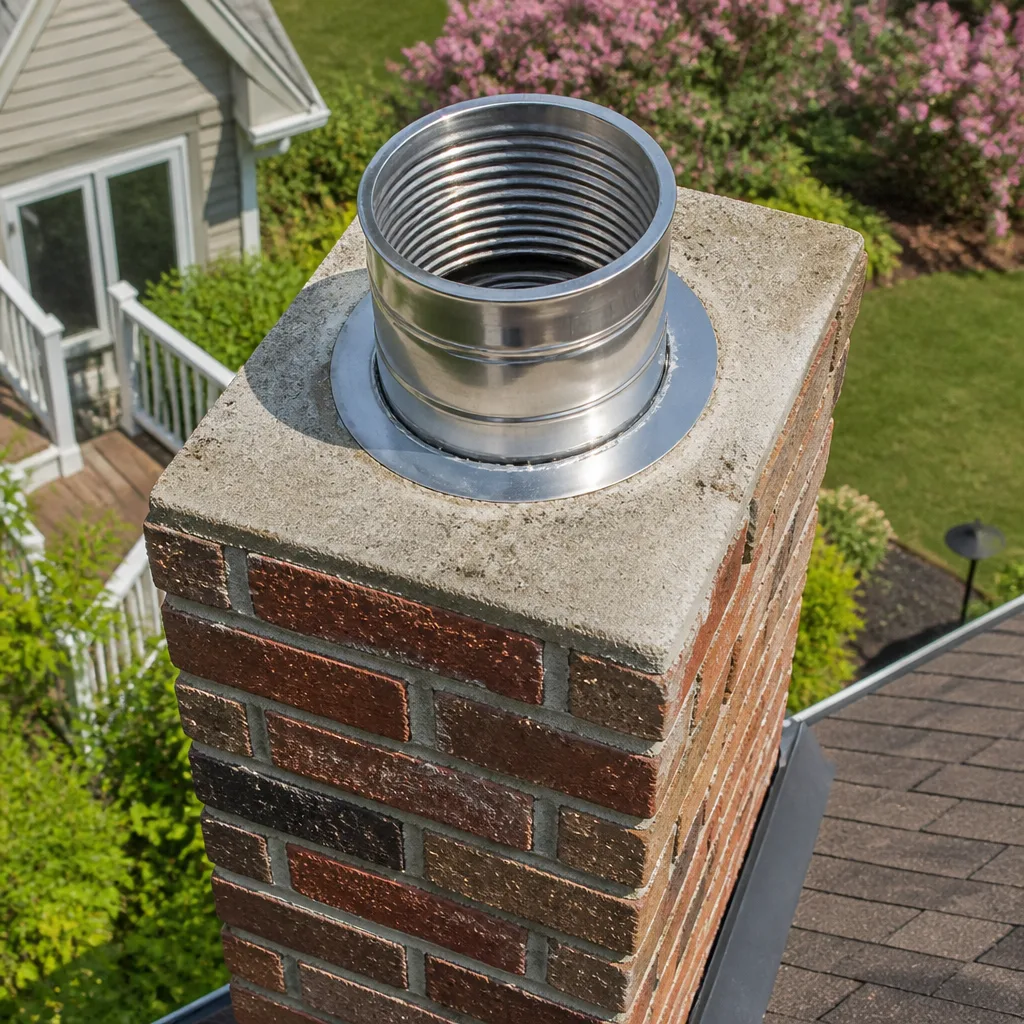 Flue relining
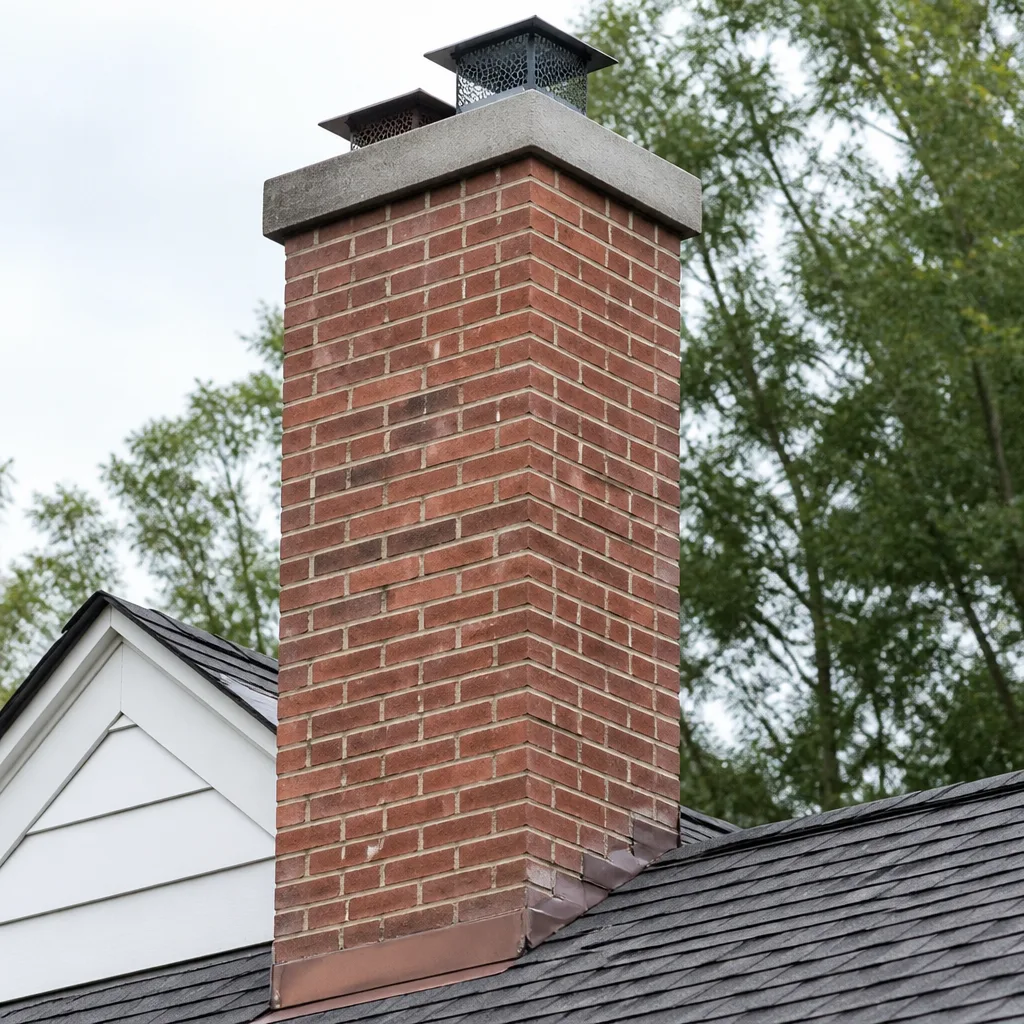 Masonry repair
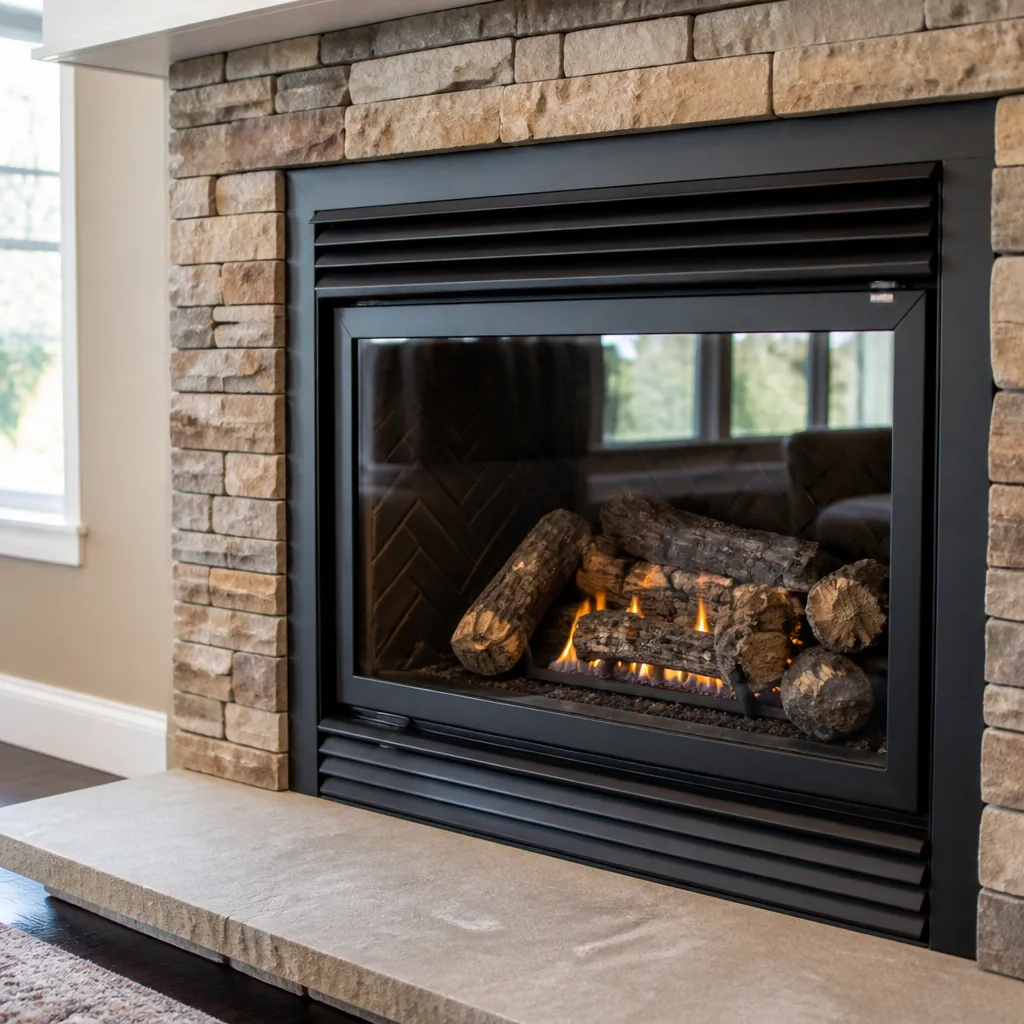 Gas fireplace service
Level 1 sweep and inspection to the NFPA 211 annual standard - flue, crown, cap, and flashing checked and photographed
Chimney sweep logs do not sweep chimneys. They loosen some creosote - which then falls where a brush and vacuum still have to collect it.
How to Hire a Chimney Cleaning Contractor in Buckhead: A Step-by-Step Guide
CSIA certification is the floor, not the ceiling. Any chimney sweep worth booking should be able to show it, but passing an exam doesn’t mean a company has ever laid hands on the materials and systems inside the homes that line Buckhead’s older streets – the flexible liners in a mid-century ranch, the oversized fireboxes in a Colonial Revival, the HeatShield resurfacing work that a deteriorating clay flue actually needs. Plenty of handymen and HVAC outfits around Buckhead list “chimney sweep” as a side line and bought a brush kit last season. This guide gives you a concrete vetting framework to tell a dedicated chimney specialist from a generalist, so the person on your roof knows the system, not just the brush.
Quick Answer
To hire a chimney cleaning contractor in Buckhead, verify current CSIA certification, ask whether chimney work is the company’s full-time focus or a secondary service, request a written inspection report with photos, confirm the quote specifies scope and materials, and check that the price falls within a fair range rather than at the bottom of the market. A legitimate contractor documents what they find, uses trade-grade products, and puts scope, warranty, and liability in writing before any work starts.
Styles & brands we work with
- Sweep & inspection
- Caps & crowns
- Flue relining
- Masonry repair
- Gas fireplace service
Table of Contents
- Why hiring a chimney contractor in Buckhead takes more care than it used to
- The questions that reveal a full-time chimney specialist
- What a legitimate chimney inspection report looks like
- How to verify a chimney sweep’s credentials the right way
- Contract terms that actually protect you
- Why three quotes beat knowing a fair price range
- A step-by-step hiring checklist you can print out
- Common mistakes to avoid
Why hiring a chimney contractor in Buckhead takes more care than it used to
Buckhead’s housing stock makes chimney work more varied than it is in newer suburbs. Many homes here date to the mid-20th century, and some are Colonial Revival builds with original masonry fireboxes that have seen decades of use and settling. That aging means a Buckhead chimney often carries two jobs at once: routine cleaning and something structural – a cracked crown, a spalling flue, a firebox that needs repointing. A sweep-only operation can handle the first and has to turn away the second.
The Buckhead climate adds its own pressure. Our warm, humid summers and the occasional hard freeze create a constant wet-dry, expand-contract cycle in masonry. Water gets into small cracks in the crown or the mortar joints, then freezes and widens them. Over a few seasons that slow damage turns a hairline crack into a real repair. Tradespeople who work on chimneys in this climate see it all the time, and it’s why a cap and crown in good condition matters as much here as the flue itself.
Then there’s the market problem. Search for a chimney sweep in Buckhead and you’ll get a mix of dedicated chimney companies, general handymen who sweep on the side, and HVAC firms who added chimney cleaning as an upsell. The brush-and-vacuum work looks the same on a listing. It isn’t the same service. The hardware-store brush kit and the trade-grade liner materials a specialist carries are not interchangeable, and neither is the knowledge behind them.
That’s the gap this guide closes. By the end you’ll know what to ask, what to check, and what a fair deal looks like – so you can separate a specialist from a side service. If you’d rather start with a known quantity, our Buckhead Chimney Sweep Pros page lays out exactly what a chimney-only operation covers.
The questions that reveal a full-time chimney specialist
The fastest way to sort a full-time chimney company from a side service is to ask a handful of plain questions before you book. The answers, not the marketing copy, tell you whether chimney work is the core of the business or an add-on. Here’s what to ask and what a good answer sounds like.
- Is chimney work all you do? A specialist answers yes without hedging. If the company also does roofing, gutters, HVAC, and general handyman work, chimney sweeping is likely a secondary line.
- What does the inspection include, and will I get a written report with photos? A real answer describes a documented inspection with images of the flue, firebox, crown, and cap. A vague “we’ll take a look” is a warning sign.
- Which liner and cap products do you install? A dedicated company names trade-grade brands. When we install a flexible liner, we work with DuraFlex systems; for crown and cap work we source from trusted makers like Gelco and Famco. A generalist often can’t name the product at all.
- Can you handle liner resurfacing, or just replacement? HeatShield ceramic resurfacing is specialized work that most sweep-only companies can’t perform. If a company doesn’t know what it is, they’ll have to refer you out.
- Who actually does the work – your technicians or a subcontractor? You want to know who’s on the roof and who carries the liability.
- What’s your certification, and where can I verify it? A specialist gives you the certifying body and expects you to check.
Ask these before booking, not after. A company that sweeps chimneys full-time will answer all six without hesitation; a side service will stumble on at least one. The phrasing matters less than the specificity – a real specialist talks in materials and systems, because that’s what the job is.
What a legitimate chimney inspection report looks like
A verbal “you’re fine” is not an inspection. It’s a comfortable conversation that leaves you with nothing to verify and nothing to hand an insurer or a buyer if questions come up later. In our experience, the written report is where a professional separates from an amateur, and it’s the single most useful document you’ll get from a chimney visit.
A proper report is tied to a defined inspection level. The industry uses three: Level I for a routine annual check of an accessible, unchanged system; Level II for a more thorough look that includes a video scan of the flue, typically needed after a chimney fire, a change in fuel or appliance, or when you’re buying a home; and Level III for an investigation that may involve opening up part of the structure. For most Buckhead homeowners, a routine annual visit is a Level I, and a pre-purchase or insurance-documentation visit calls for a Level II with video.
Here’s what a report you can actually use should contain:
- Photos or video stills of the flue interior, firebox, damper, crown, and cap, with each area noted.
- A defect list that separates what needs attention now from what can safely wait.
- The inspection level performed, so the scope is on record.
- Material observations – for example, whether a clay flue liner is cracked, or whether a metal liner is showing gaps or corrosion.
- Clear next steps in plain language, not code-talk.
Ask to see the photos even if you don’t read every line. A report that shows you the inside of your own flue earns trust; one that only tells you it’s fine doesn’t. When a company carries HeatShield resurfacing capability, it can also recommend repair of a deteriorating liner where a sweep-only company would simply flag it and walk away. That single capability is often the difference between a documented plan and a referral.
How to verify a chimney sweep’s credentials the right way
Don’t take a logo at face value. CSIA (Chimney Safety Institute of America) certification is the baseline credential for chimney sweeps, and it’s verifiable directly through the CSIA’s public directory rather than from a badge on a website. Look the company or technician up yourself, and check that the certification is current – it requires renewal, so an expired cert tells you something.
Beyond CSIA, a couple of additional credentials signal depth for more complex systems. NFI (National Fireplace Institute) certification covers gas, wood, and pellet hearth appliances and matters if you have a gas fireplace or a more involved heating appliance. A C-DET (Certified Dryer Exhaust Technician) credential points to dryer vent work, which some chimney companies offer alongside. None of these replace CSIA for the chimney itself, but together they tell you whether a company can handle the fuller range of what’s on your property.
Here’s how to verify without it turning into a project:
- Ask for the certifying body and the technician’s name or company listing.
- Look it up in that body’s public directory yourself.
- Confirm the certification is current, not lapsed.
- Ask what additional credentials the company holds for gas appliances or dryer vents, if those matter for your home.
- Confirm the company carries liability coverage before anyone gets on the roof.
Certification is where the conversation starts, not where it ends. A certified sweep who has spent years on Buckhead’s specific liner materials, firebox layouts, and repair scopes will outwork a certified generalist every time. Our technicians have up to 14 years of experience, and that trade-specific time is the real credential behind the paperwork.
Contract terms that actually protect you
The contract is where a good chimney company protects you and a bad one protects itself. Before work begins, you should have a written scope of work that names the materials, an honest statement of liability, and warranty language that spells out what’s covered and for how long. If any of those are missing, ask for them in writing before you book.
Read the scope of work closely. It should state exactly what’s being done – a Level I inspection and cleaning, or a liner installation with a specific product, or cap and crown replacement with the material named. Vague scopes like “chimney service” leave room for surprise charges. When we install a cap, we source from makers like Famco and Gelco so the product is identified, not assumed.
Liability coverage is non-negotiable. A company working on your roof and inside your flue should be able to show current liability insurance. Ask for proof, not a verbal yes. If a ladder slips or a dropped tool cracks a firebox, you want the company’s coverage handling it, not your homeowner’s policy.
Warranty language matters most for repair and installation work. A liner installation or a HeatShield resurfacing job should come with a written warranty that states the term and what voids it. Read what’s covered: materials, labor, or both. For straightforward cleaning, the warranty question is smaller, but the satisfaction guarantee should still be in writing – if you’re not happy with the sweep, that should be stated, not implied.
One more term to check: who does the work. A contract that names the company but sends a subcontractor means the people on your roof may not be the people you vetted. Ask the question, and get the answer in writing. A single-source company that handles cap and crown, liner, and structural repair itself won’t need to bring in a third party to finish the job.
Why three quotes beat knowing a fair price range
Getting three chimney quotes feels like the responsible move, but it can actually make the decision harder rather than easier. Three wildly different numbers tell you almost nothing about who’s right – they mostly tell you who padded the most or who left the most out. What you need before you start comparing is a sense of what a fair range covers, so you can read each quote against it.
For routine chimney cleaning in the Buckhead market, a fair price covers the sweep itself, a basic Level I inspection, and a look at the cap and crown. When a quote comes in well below that, the honest question isn’t “why so cheap?” – it’s “what did they leave out?” A low bid often means a core inspection step was skipped or a real defect was quietly ignored, and you find out later, when the problem grows.
A fair price range also tells you when a higher quote is justified. If your chimney needs HeatShield resurfacing or a DuraFlex liner, the work is specialized and the materials are trade-grade, so the number should reflect that. The point isn’t the cheapest bid – it’s matching the scope to the price. Ask each company to break out what’s included: sweep, inspection, report, cap and crown assessment, any repair recommendations. Line-item quotes make comparison honest.
We set our pricing per job from a written estimate, so you know exactly what’s covered before you book – no surprises after the inspection. And when a quote includes a repair line you can’t verify, that’s where a documented report with photos earns its trust: you see the evidence, not a sales pitch.
Typical repair cost ranges
The exact price depends on your chimney, but knowing roughly what each layer of work covers helps you read a quote. Routine cleaning and a Level I inspection sit at the low end of the market; cap and crown replacement, liner resurfacing with HeatShield, and structural repair at the higher end. Rather than guess at the cheapest bid, ask for the scope and match it to the work. If a company can’t explain why their number is where it is, that’s the answer you need.
A step-by-step hiring checklist you can print out
This is the whole framework in one place. Work through it before you book any chimney company in Buckhead and you’ll cut the side services out fast.
- Confirm the company is chimney-only or chimney-first. Ask what percentage of their work is chimney. A specialist doesn’t hedge.
- Verify CSIA certification yourself. Look them up in the public directory and check it’s current.
- Ask about additional credentials. NFI for gas appliances, C-DET for dryer vent work, if those matter for your home.
- Request a written inspection scope. Confirm whether it’s a Level I, II, or III and whether a video scan is included.
- Ask to see a sample report. Photos, defect list, and plain-language next steps are the marks of a professional.
- Get the quote in writing with materials named. DuraFlex, HeatShield, Gelco, Famco – the product should be on the page.
- Confirm liability coverage. Ask for proof before anyone gets on the roof.
- Read the warranty and guarantee. Know the term and what voids it before work starts.
- Check the cap and crown in the same visit. A single-source company can replace a cap the same day rather than scheduling a return trip.
If a company passes all nine, you’re dealing with a specialist. If it stumbles on numbers one, five, or six, keep looking. For the cleaning step specifically, our chimney sweep page covers what a proper sweep involves and when to schedule one.
What about gas fireplaces and more complex systems?
Not every chimney in Buckhead is wood-burning. Gas fireplaces and gas hearth appliances have their own service needs, and not every chimney sweep handles them well. A dedicated company with NFI credentials can inspect and service gas appliances safely; a general sweep who works only with wood may not have that training. If your home has a gas fireplace, ask up front.
The same applies to dryer vent work, which shares the vent-cleaning skill set and the C-DET credential. Some chimney companies fold it in; others don’t. Knowing what your company can and can’t handle in one call saves you the referral chain – the exact reason single-source specialists matter. When cap and crown, liner, firebox, and appliance work all sit with one vetted company, you don’t have to re-explain your chimney to a second contractor.
For firebox and hearth damage, our fireplace repair page explains what that scope involves. And if you’re focused on keeping water out of the flue, the chimney cap & crown page covers protection in detail – both worth reading alongside this guide.
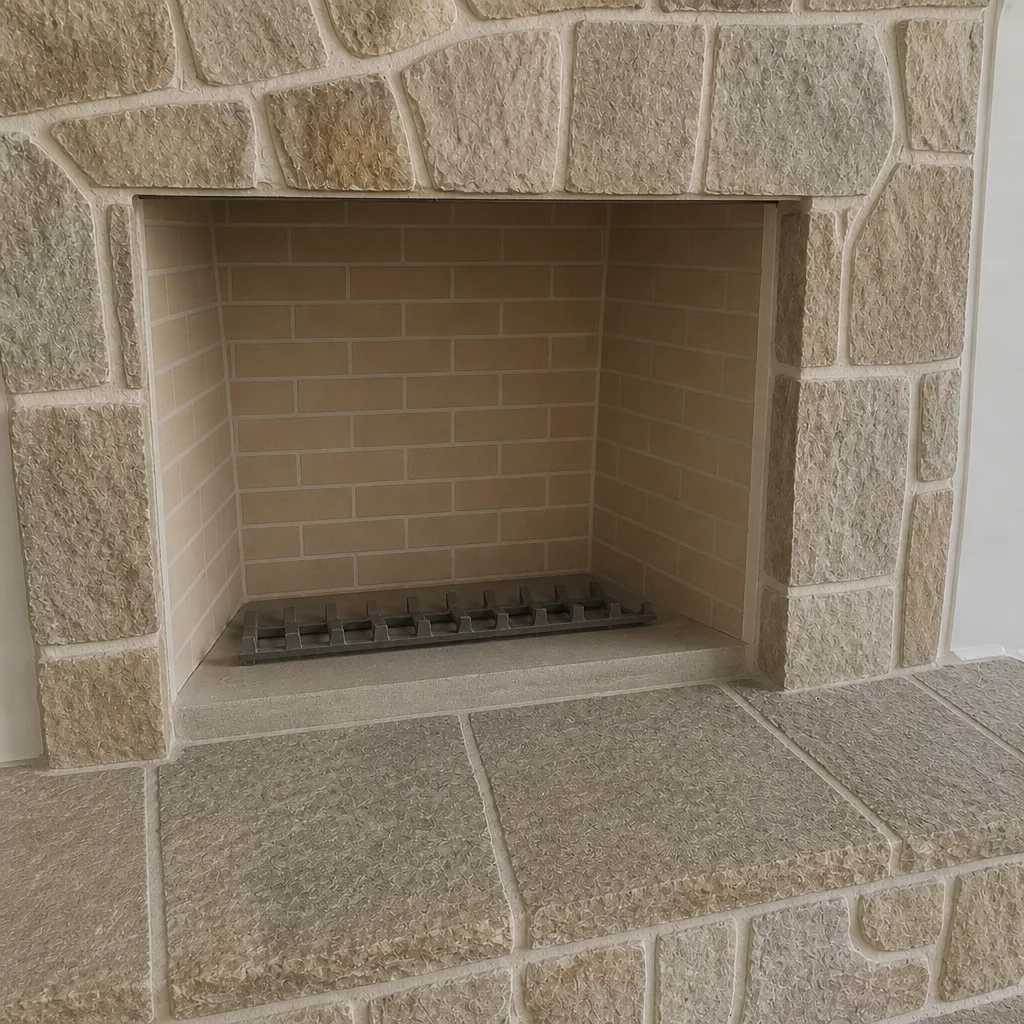
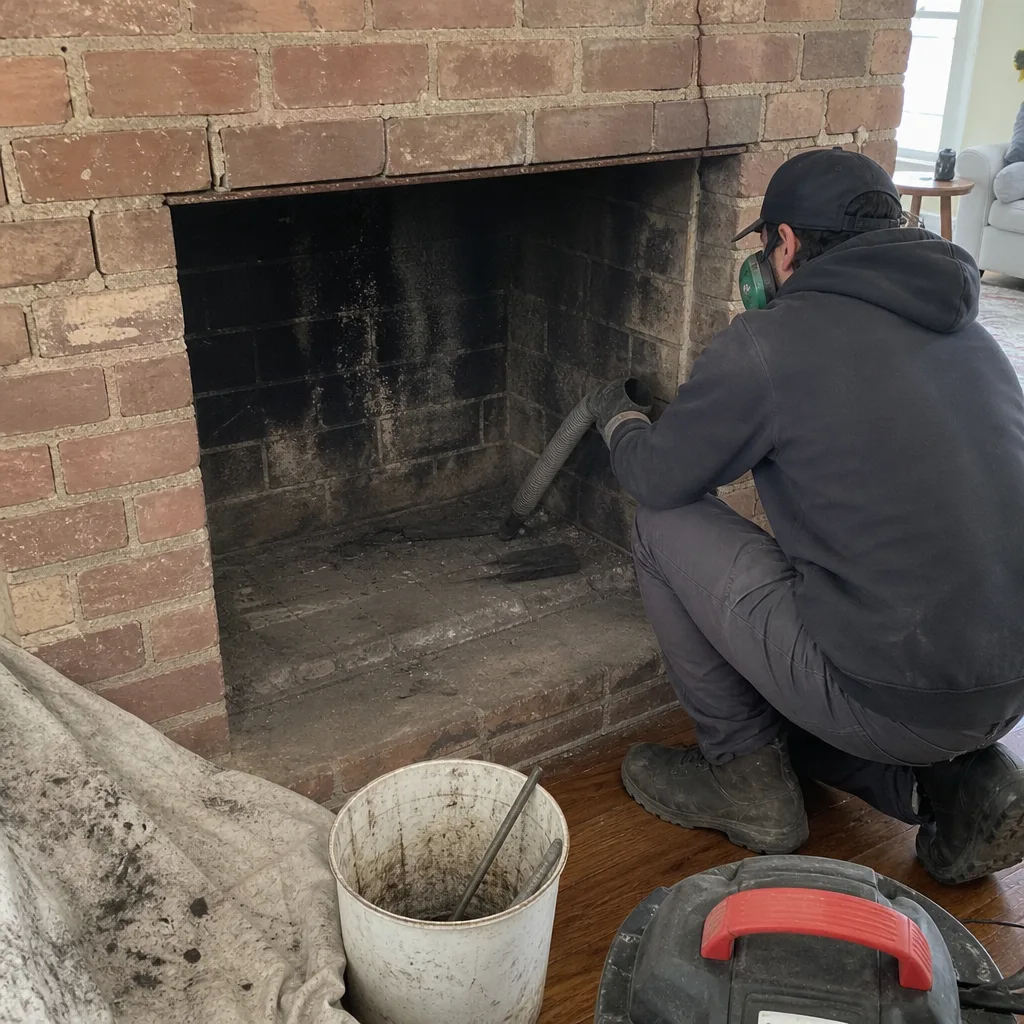
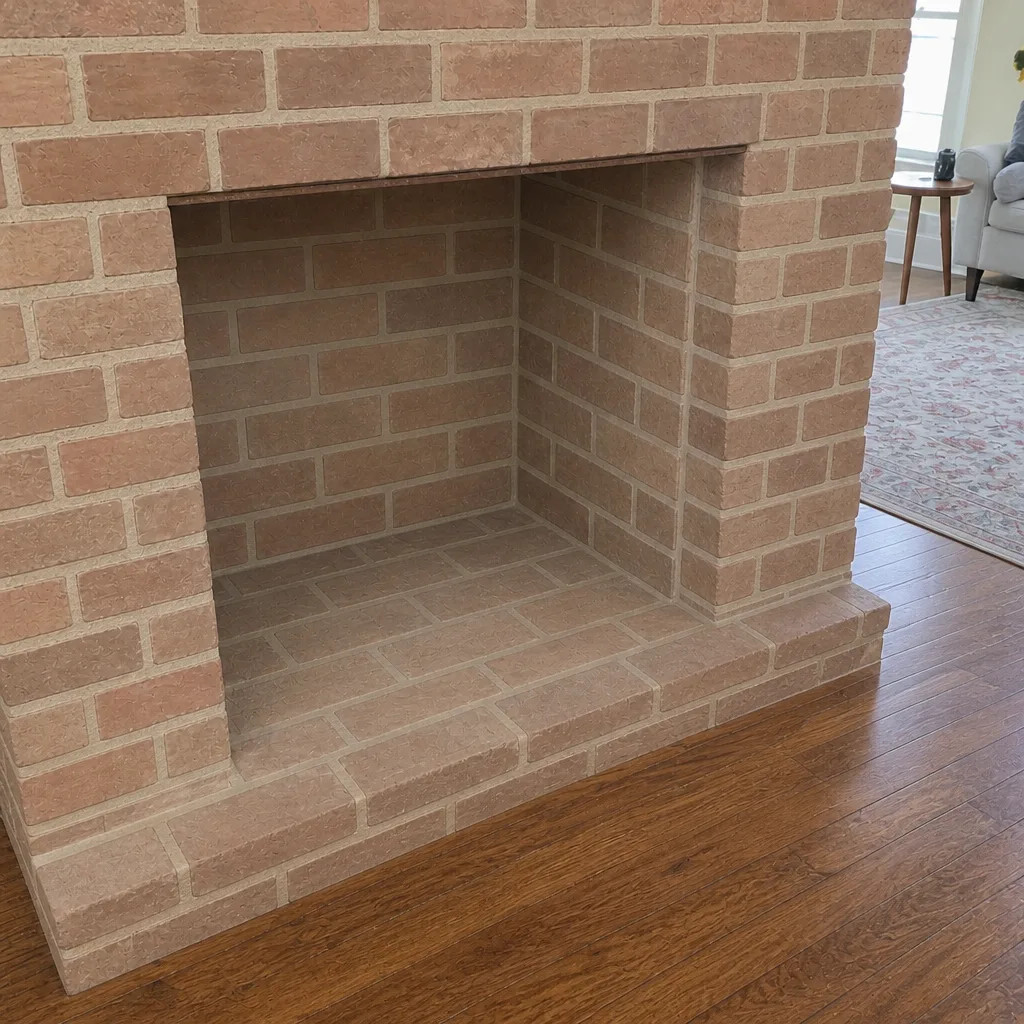
See the difference
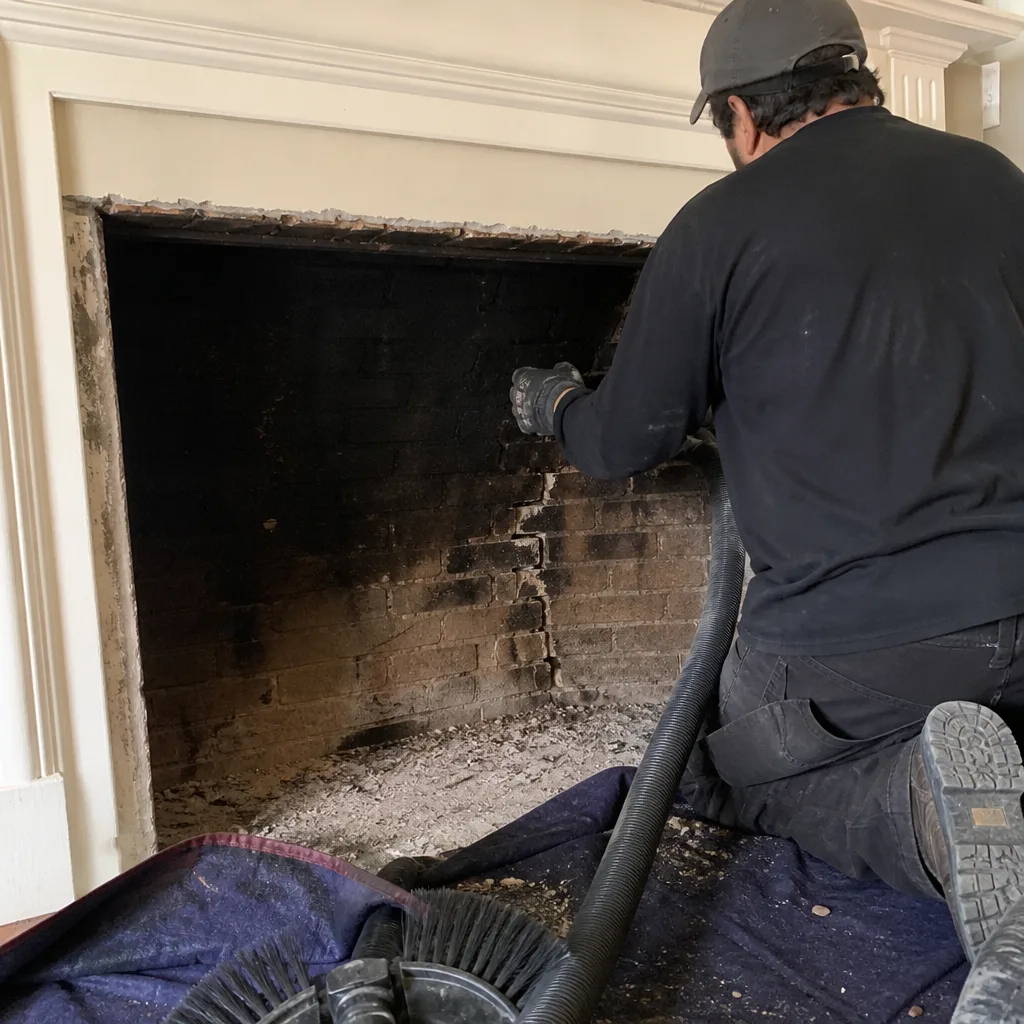 Before
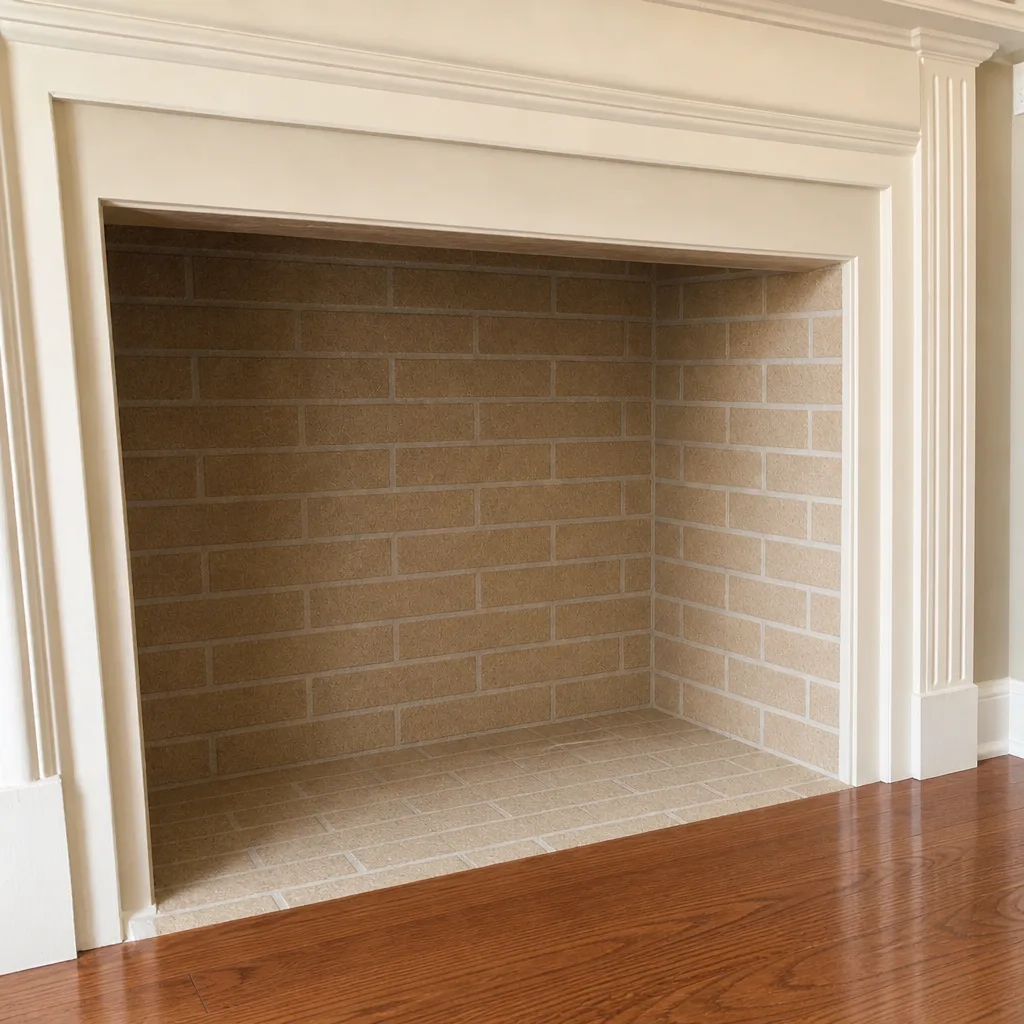 After
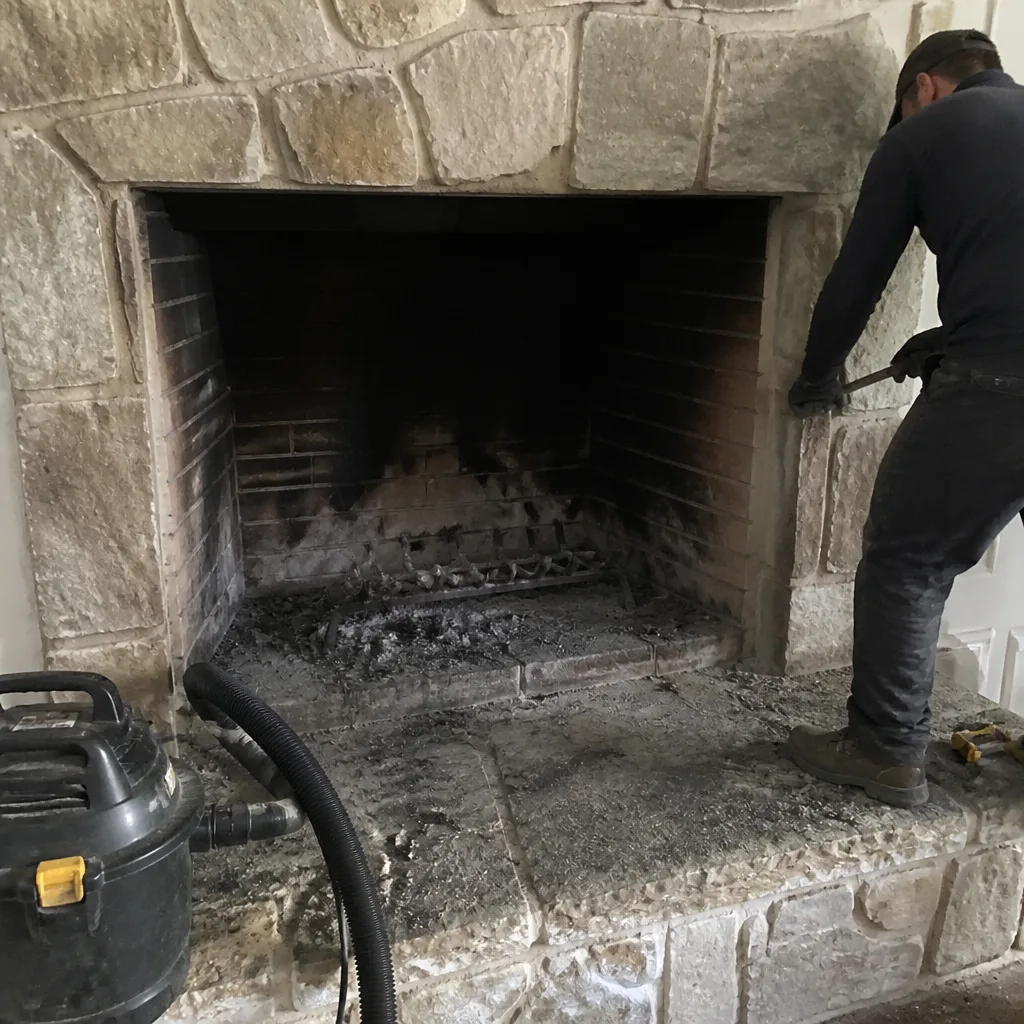 Before
 After
 Before
 After
Common Mistakes to Avoid
- Hiring a generalist who “also does chimneys.” If chimney work is a side line, the technician may not know the specific liner materials and firebox layouts common in Buckhead’s older homes. Ask the full-time question first.
- Accepting a verbal “you’re fine.” No written report and no photos means nothing to verify. Insist on documentation, especially for pre-purchase or insurance needs.
- Taking a logo at face value. Verify CSIA certification in the public directory yourself rather than trusting a badge. Expired certifications happen.
- Chasing the lowest bid. A rock-bottom quote usually means a step was skipped. Compare scope, not just the number.
- Skipping the cap and crown check. Buckhead’s wet-dry freeze cycles punish a cracked crown. Have it inspected every visit, and replace a missing cap before water gets in.
- Not confirming who’s on the roof. If the vetted company sends a subcontractor, the liability and the expertise both change. Get it in writing.
- Forgetting the warranty on repair work. A liner installation or resurfacing job without written warranty language is a risk you shouldn’t accept.
When to Call a Professional
Some chimney situations can wait; others shouldn’t. Call a professional if you haven’t had the chimney serviced in over a year, if you’ve recently bought a Buckhead home with an unknown chimney history, or if you notice a cracked crown, a missing or damaged cap, or a smoky firebox. A fire that won’t draft, soot streaks on the firebox, or a strong creosote smell in warm weather are all reasons to book a sweep and inspection rather than put it off. The risk of a chimney fire or carbon monoxide problem rises with a neglected flue, and that’s the reason to act, not a scare tactic – a clean, inspected chimney is a safety standard.
Buckhead Chimney Sweep Pros offers free estimates in Buckhead. Call (866) 947-8098. We answer 24/7. Fast dispatch from 7am to 7pm, Sunday through Friday.
Frequently Asked Questions
For most wood-burning fireplaces, an annual sweep and inspection is the standard, and it’s the safest rule of thumb. Homes with heavy use or gas appliances may need a different cadence, which a proper inspection will tell you. Call (866) 947-8098 for an exact schedule recommendation – estimates are free.
A handyman can push a brush up the flue, but that’s not the same as a chimney inspection. A specialist checks the crown, cap, liner, and firebox and documents what they find; a handyman usually can’t. When the problem turns out to be a cracked liner or a failing crown, you’ll need the specialist anyway.
You typically need a Level II inspection after a chimney fire, when a new appliance is installed, or during a home purchase. A Level II includes a video scan of the flue interior, which a routine Level I doesn’t. Ask for the level explicitly when you book.
Look the company or technician up directly in the CSIA’s public directory and confirm the certification is current. Don’t rely on a badge on a website alone. Ask for the technician’s name or listing if it isn’t obvious.
Quotes vary mostly because the scopes differ, not because one company is somehow better. A low bid often omits an inspection step or skips the cap and crown check. Compare line items, not just the bottom number, and ask each company to spell out what’s included.
Ask for the photo evidence from the inspection report. A legitimate company shows you the inside of your own flue, not just a sales pitch. If a repair is recommended, you should see why – and you should be told plainly when work can safely wait. Call (866) 947-8098 to walk through what your report shows.
The Bottom Line
Hiring a chimney contractor in Buckhead comes down to separating a dedicated specialist from a side service, and the vetting framework is the same every time: verify CSIA certification yourself, ask whether chimney work is the company’s full-time focus, insist on a written report with photos, read the contract for scope and warranty, and compare quotes by scope rather than price alone. The material a specialist carries and the capabilities they hold – HeatShield resurfacing, DuraFlex liners, Gelco and Famco caps – tell you who can handle what your chimney actually needs. Do that and you’ll book the right company once.
Ready to get a documented inspection and a fair, written estimate? Call Buckhead Chimney Sweep Pros at (866) 947-8098 for a free estimate. We answer 24/7. Fast dispatch from 7am to 7pm, Sunday through Friday.
Written by the team at Buckhead Chimney Sweep Pros.