
Last updated November 24, 2026
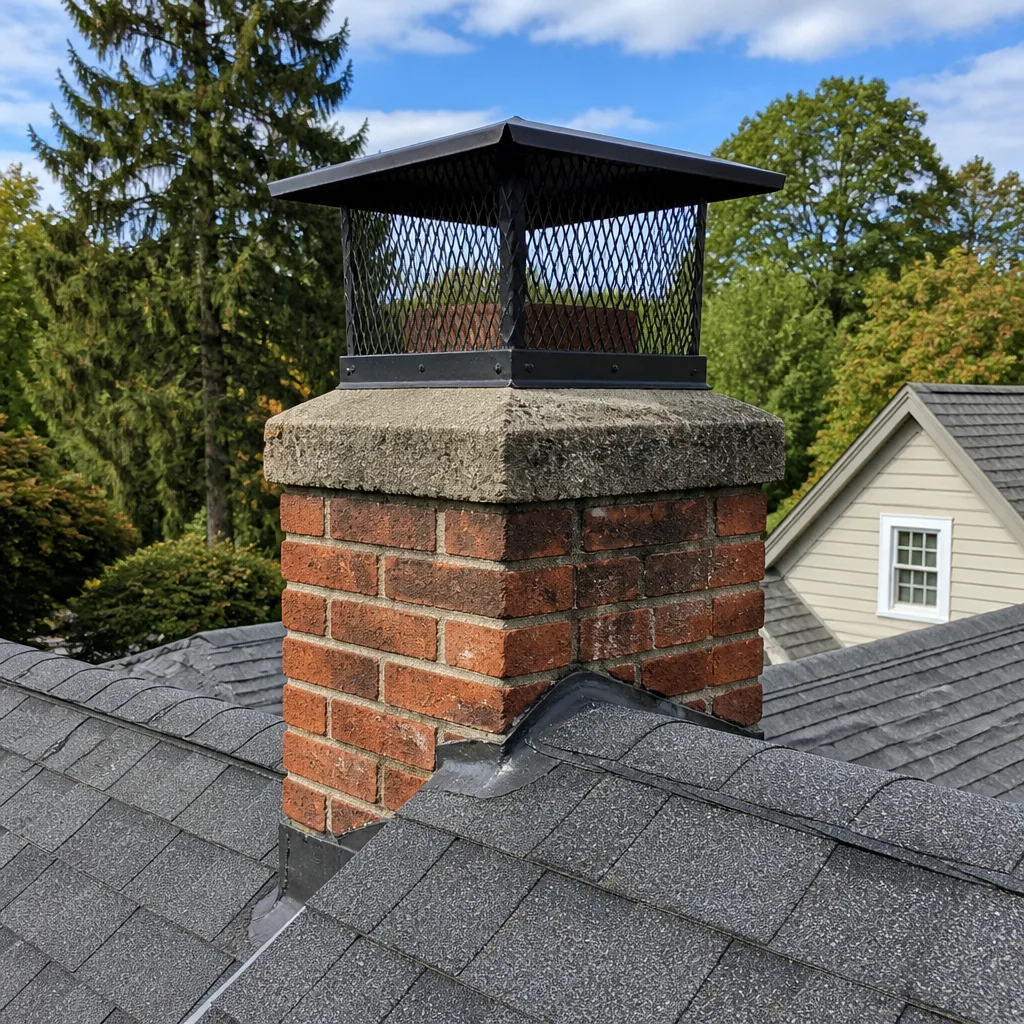 Sweep & inspection
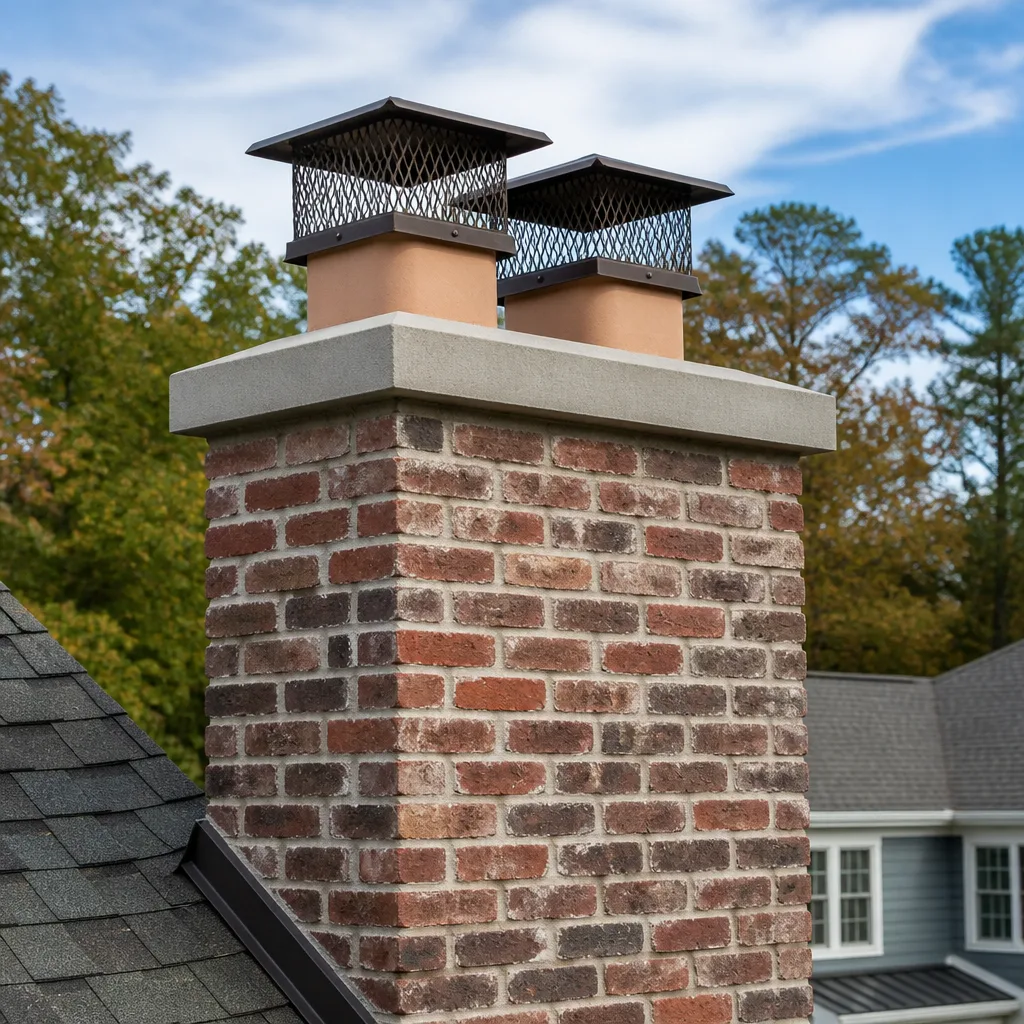 Caps & crowns
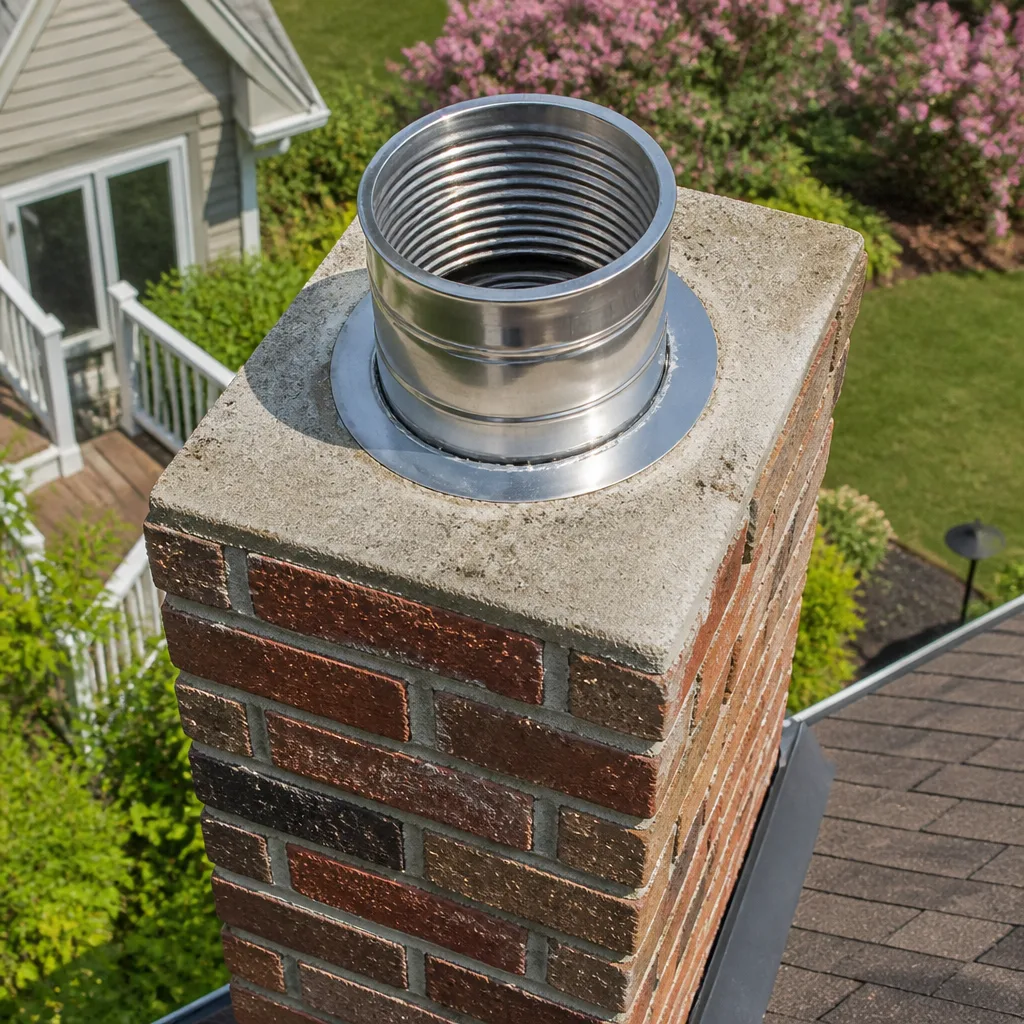 Flue relining
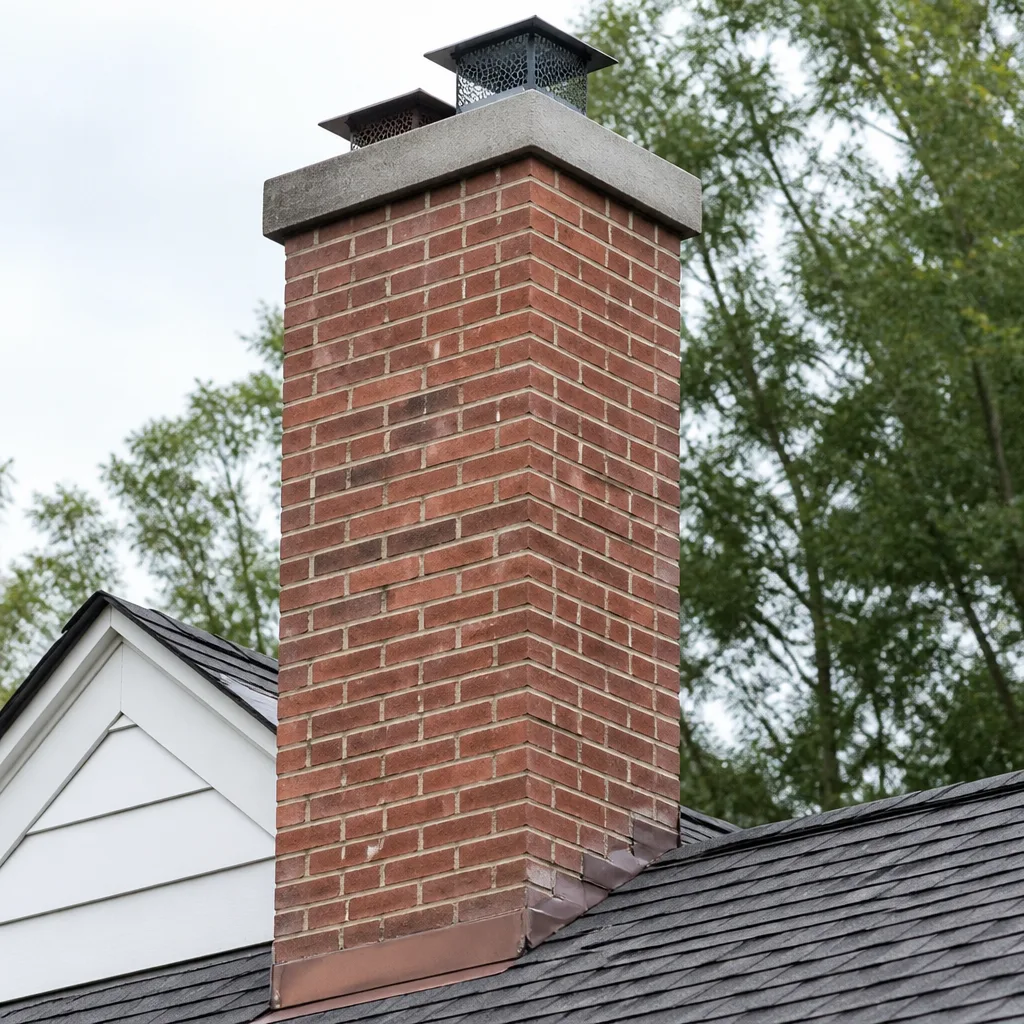 Masonry repair
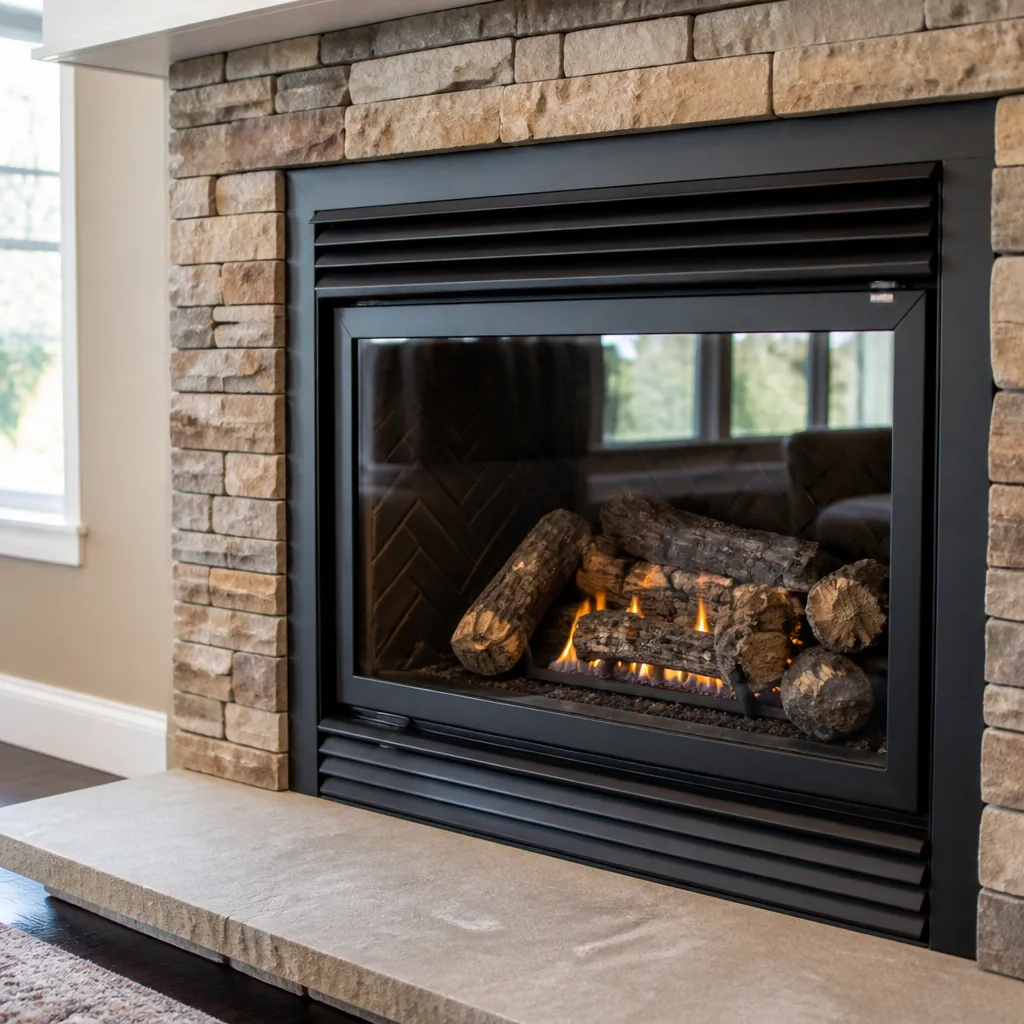 Gas fireplace service
Level 1 sweep and inspection to the NFPA 211 annual standard - flue, crown, cap, and flashing checked and photographed
Chimney sweep logs do not sweep chimneys. They loosen some creosote - which then falls where a brush and vacuum still have to collect it.
Choosing the Right Chimney Cleaning Brand: A Buyer’s Guide for Buckhead
When a chimney company quotes you a “stainless steel liner,” that phrase covers everything from lightweight 304 single-wall pipe to heavy-gauge 316Ti alloy systems, and the gap between them is real money and real years of service. The trouble is, most estimates in Buckhead won’t show you which one you’re getting. The word “stainless” does a lot of quiet work on a quote sheet, and the number that decides whether your liner lasts a decade or a lifetime is buried in a spec line nobody reads out loud. This guide is about pulling that spec line into the open. By the end, you’ll know which material questions actually matter for a Buckhead chimney, how to ask for them in writing, and why the brand on the box tells you less than the installation behind it.
Quick Answer
The “brand” that matters most in chimney work isn’t the sweep company’s name; it’s the material grade in your liner, cap, crown, and sealant. Ask for alloy grade (304 versus 316Ti), cap gauge and mesh size, and the specific repair product class in writing before you sign. A company that sources trade-grade brands like DuraFlex, HeatShield, and Famco and can explain why each was chosen is showing you its technical commitment, not just its logo.
Styles & brands we work with
- Sweep & inspection
- Caps & crowns
- Flue relining
- Masonry repair
- Gas fireplace service
Table of Contents
- Why the “Brand” Question Is Really a Materials Question
- The Material Specs That Actually Matter for Buckhead Homes
- How to Ask for Material Specifications, Not Brand Names
- Where Brand Matters Most (and Where It Matters Less)
- The Warranty Traps in Chimney Materials
- Reading a Company’s Material Choices as a Signal
- Common Mistakes to Avoid
- When to Call a Professional
- Frequently Asked Questions
Why the “Brand” Question Is Really a Materials Question
Most homeowners searching for the best chimney cleaning company in Buckhead start by comparing company names. That’s the wrong first move. Sweeping is a fairly uniform task: brush the flue, remove the creosote, check the firebox, clean up. The variation between one competent sweep and another is small. The variation between the materials used in repair work is enormous.
Consider what actually gets installed inside and around a chimney:
- Liner systems carry the exhaust. Alloy, wall thickness, and seam construction determine how long they last and how they handle heat and corrosive flue gases.
- Liner resurfacing products rebuild a deteriorating clay flue from the inside. Product class and application method decide whether the repair holds or cracks away.
- Caps and crowns keep water out. Gauge, mesh, and coating choices decide whether they survive a decade of Atlanta’s rain and summer heat.
- Waterproof sealants protect the masonry itself. The wrong one traps moisture and makes spalling worse.
A Buckhead homeowner who doesn’t know product grades will end up accepting low-bid materials installed at premium-service prices, and they’ll never see it on the invoice. That’s the real hazard behind the brand question, and it’s the reason this guide exists.
The Material Specs That Actually Matter for Buckhead Homes
Buckhead’s housing stock is hard on chimneys in specific ways. Many homes here were built decades ago, and the original clay-tile flues have had years of heating cycles, seasonal moisture, and the freeze-thaw cycles that come with a Georgia winter. Add the heavy summer rain and the region’s humidity, and you get masonry that’s asked to handle a lot of water over a long life. That context changes which specs matter.
Stainless liner alloy grade: 304 versus 316Ti
This is the single most important line on a liner quote. Both are stainless steel, but they are not interchangeable.
- 304 alloy is the general-purpose choice. It handles ordinary wood-burning flue conditions well and costs less. It’s a reasonable fit for a straightforward wood fireplace with a clean, well-drafted flue and no unusual chemical exposure.
- 316Ti alloy includes titanium for stability and carries more resistance to chlorides and corrosive flue gases. It’s the better call for gas appliances, oil, and wood-burning setups where the flue sees more aggressive conditions.
The two look similar from the outside. The quote sheet should name the grade, the wall thickness, and whether it’s single-wall or insulated. If a company quotes “stainless” without those three details, that’s a blank check.
Liner resurfacing product class
A HeatShield resurfacing repair is a different service from a full liner replacement. It rebuilds the existing flue from the inside with a ceramic formula rather than inserting a new pipe. That’s a strong option for a flue that’s cracked but structurally sound, and it signals a level of capability beyond a sweep-only company. The relevant question is whether the product class is matched to your flue’s actual condition, which a camera inspection answers.
Chimney cap gauge and mesh size
Caps are where cheap materials hide in plain sight. Thin galvanized steel rusts out in a few seasons of Atlanta weather. A stainless cap with proper gauge and a mesh sized for your flue is a different product. Stock from a known maker like Famco or Copperfield is easier to verify than a generic cap from a home improvement aisle.
How to Ask for Material Specifications, Not Brand Names
Asking “what brand are you using?” invites a nice-sounding logo. Asking for specs gets you a real answer. Before you sign anything, request the following in writing. A specialist won’t be bothered by it; a company using commodity materials will be.
- Liner grade and thickness. “What alloy grade, what wall thickness, and is it insulated?” If the answer is “high-quality stainless,” press until you get a number.
- Resurfacing product class. If the proposal includes liner repair instead of replacement, ask which product and what its intended use covers. This is where HeatShield-class products come in.
- Cap material and mesh. “What gauge stainless, and what mesh size for my flue?” A specific answer means they’ve measured your chimney.
- Crown material. Cracked crowns are common in older Buckhead masonry. Ask whether the fix is a coating, a full repour, or a Flex-Crown-style flexible membrane, and why that choice was made for your crown’s condition.
- Waterproofing product. Vapor-permeable masonry sealant, or a clear surface film? The first lets the wall breathe; the second can trap moisture and cause spalling.
- Warranty terms and conditions. Ask for the document, not the verbal summary. What voids it? Who honors it, and is it transferable if you sell?
- Camera evidence. Every recommendation should come with photos or video from a Level II inspection, not with a contractor’s word. You should be able to see the crack they’re describing.
If you’d like a starting point for the inspection basis behind these questions, our team at Buckhead Chimney Sweep Pros documents findings visually so homeowners can evaluate rather than guess.
Where Brand Matters Most (and Where It Matters Less)
Not every chimney product is a brand question. Treating them all the same leaves homeowners either over-shopping or under-shopping.
Liner systems: brand matters a lot
Flexible liner systems like DuraFlex live inside your flue for decades in harsh conditions. Alloy, seam quality, and manufacturer support control the lifespan. This is the category where brand genuinely tracks durability, and where an upgrade from entry-level to a higher alloy can pay for itself over the life of the chimney.
Crown coatings and sealants: brand matters, but installation matters more
A premium crown product applied over a dirty or wet substrate will fail faster than a mid-grade product properly prepped. In this category, ask about preparation steps as carefully as about the product itself.
Caps: brand matters, and stock matters
A cap is a small part of the total project but has an outsized effect on moisture control. A known maker like Famco or Copperfield in stock means a same-visit replacement is possible. That’s not a sales argument; it’s a scheduling fact. A chimney that’s open to the rain for two weeks while a special-ordered cap arrives is an expensive way to save fifty dollars.
Sweeping brushes and vacuums: brand barely matters
These are tools. What matters in the sweep itself is technique: proper flue coverage, a HEPA vacuum to keep soot out of your living room, and a technician who knows how to handle a wood-burning fireplace versus a gas setup. Don’t pay extra for the brush label. Do pay attention to what the sweep sees.
For more on that first-service layer, see our guide to a chimney sweep in Buckhead.
The Warranty Traps in Chimney Materials
Every manufacturer’s warranty has conditions, and most of those conditions are about installation rather than the product. Understanding the traps saves arguments years later.
- The appliance mismatch. A liner rated for wood may not be rated for gas or oil. Using the wrong rating voids coverage, even if the liner itself doesn’t fail for other reasons.
- The missing insulation. Many liner warranties assume installation with the correct insulation. Skipping it to save labor can quietly void the warranty and hurt draft at the same time.
- The installation method. Resurfacing products have specific cure and thickness requirements. A hasty application might save half a day and fail the warranty terms.
- The transfer clause. A transferable warranty only transfers if specific paperwork happens at the sale of the house. If you’re selling a Buckhead property, ask what the buyer needs from you at closing.
- The proof of service. Many warranties require documented, ongoing maintenance. Keeping your inspection and sweep records is part of protecting the investment.
None of these are obscure. Ask for the warranty document before booking, and read the conditions section. If a company can’t produce it, that tells you something about how it thinks about the products it installs.
Reading a Company’s Material Choices as a Signal
Here’s the test that takes the guesswork out of choosing a company in Buckhead. Ask which product categories they hold in inventory and why. Then listen to the answer.
A generalist handyman who sweeps chimneys on the side orders per job. They’ll pick up whatever’s available or cheapest at the moment, and they’ll charge you their supplier’s price plus margin. A specialist who works on chimneys all day, every day, holds a vetted set of trade-grade products because that’s what the work requires. That difference shows up in three ways:
- Resurfacing capability. A liner-restoration job using HeatShield-class products requires tooling, training, and product access that a sweep-only company doesn’t typically maintain. If a company offers it, they’ve invested in the technical side of the trade.
- Same-visit fixes. Caps and crowns in stock mean a repair that a generalist would schedule for a return visit happens in one appointment. Small convenience, real operational difference.
- Specification fluency. A specialist can talk about alloy grades, product classes, and warranty conditions in plain terms, because those are the decisions they make every week.
For a company in Buckhead, that’s the real proof of “Pros” in the name. For more on the cap and crown work that shows it most clearly, see our page on chimney cap & crown.
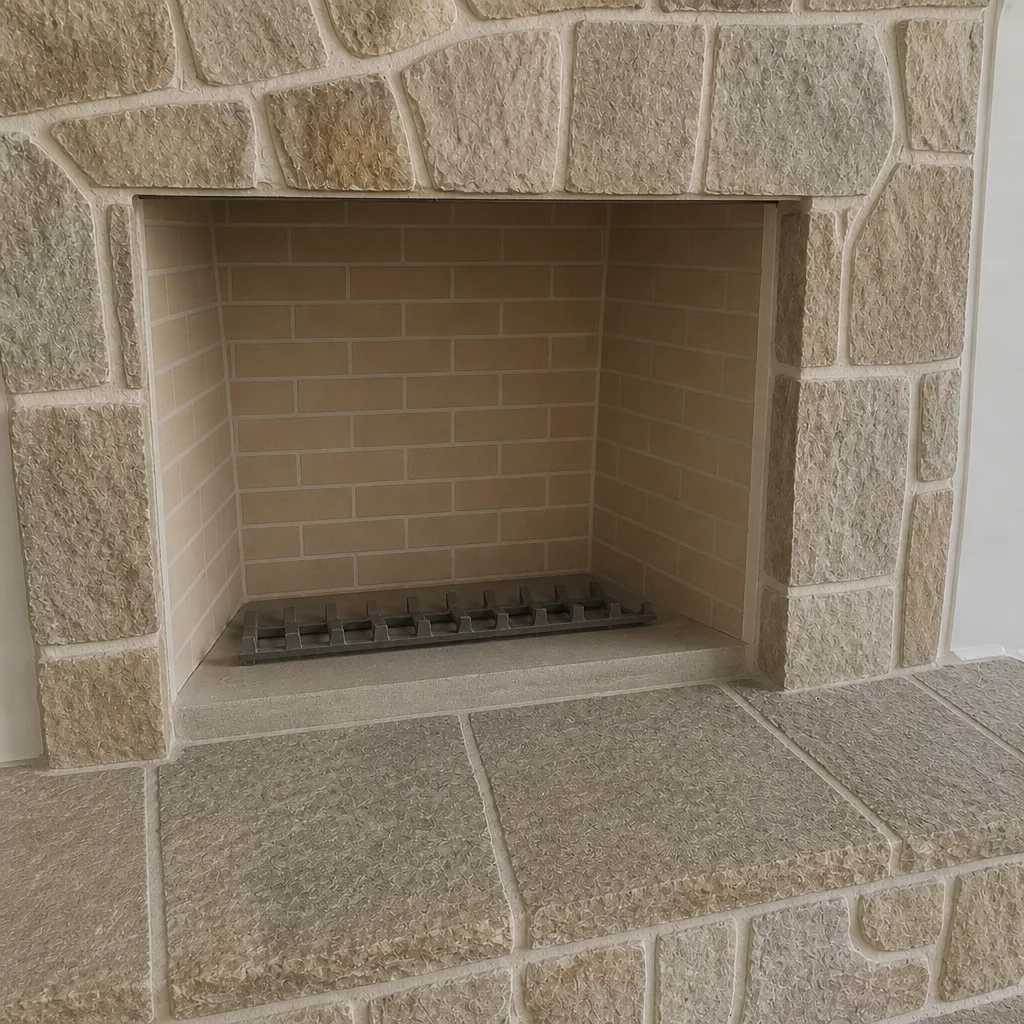
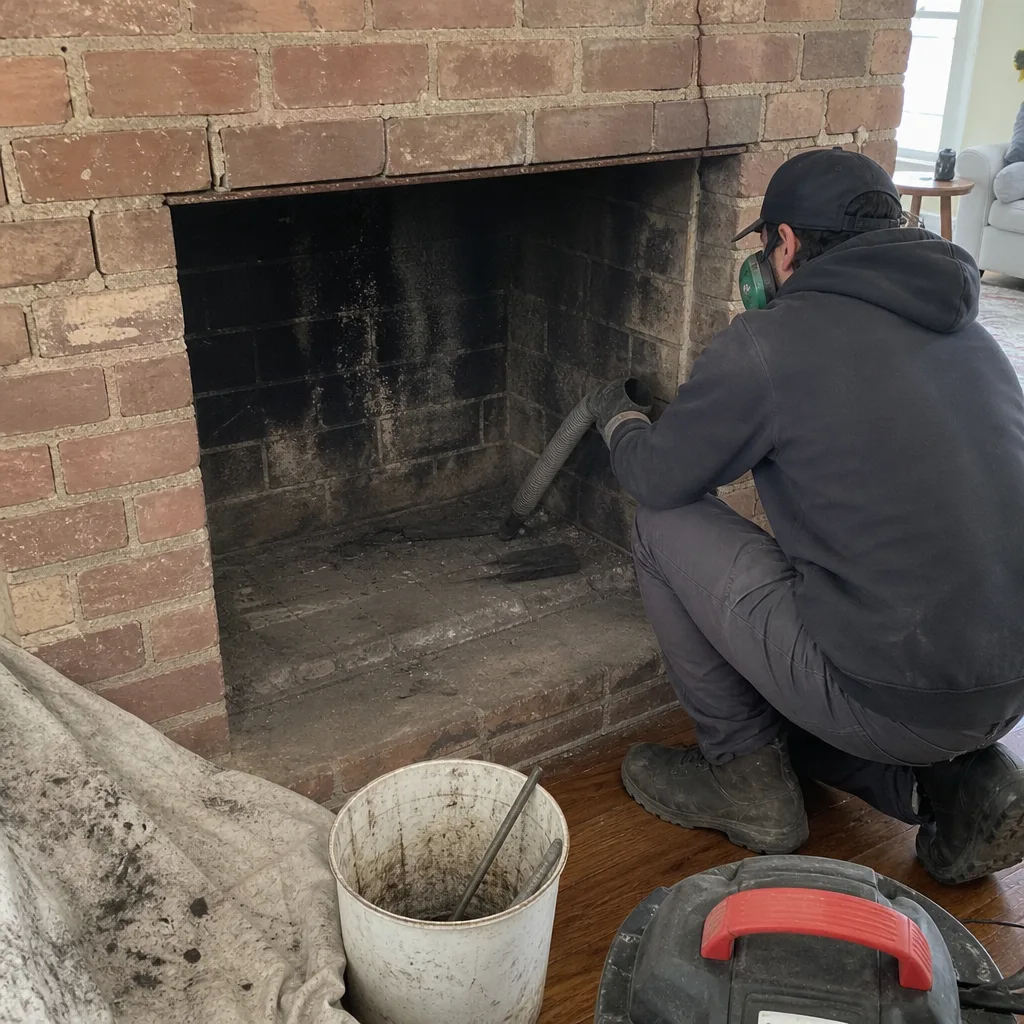
See the difference
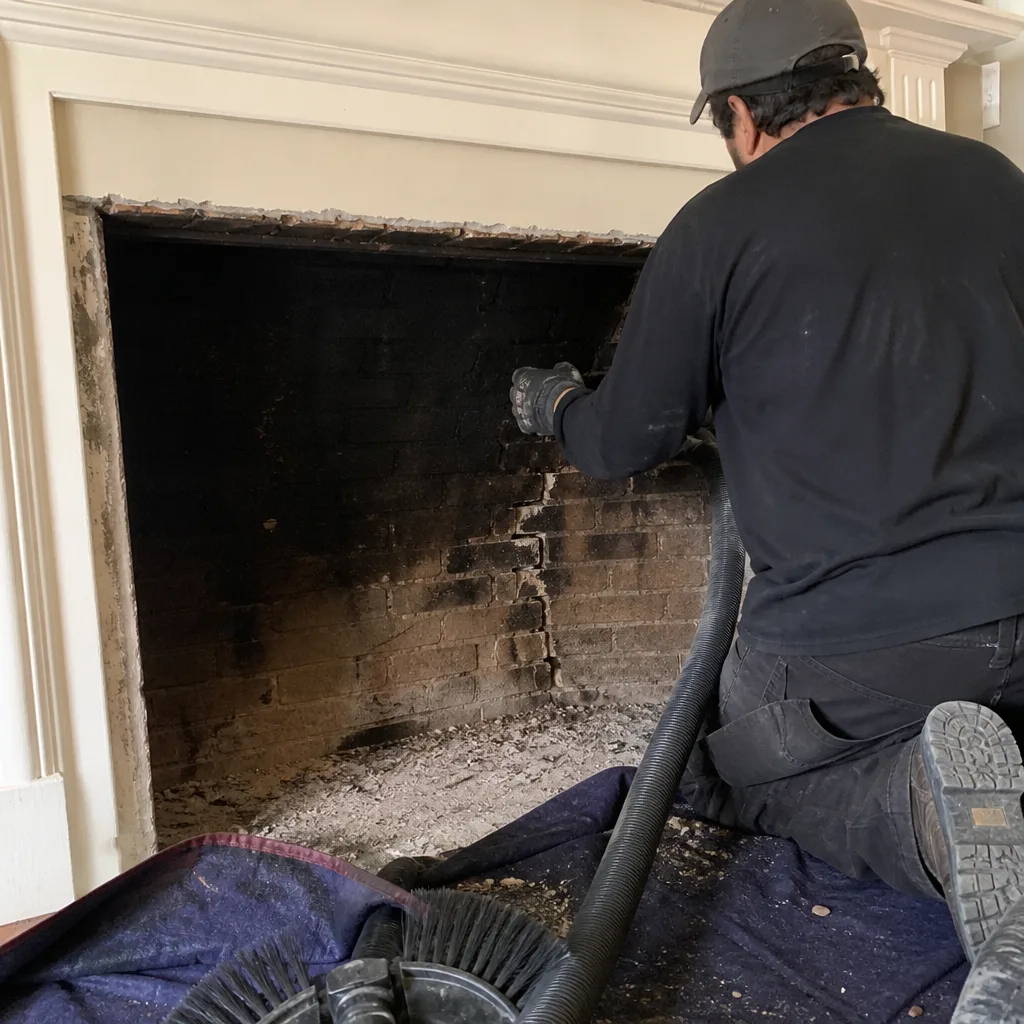 Before
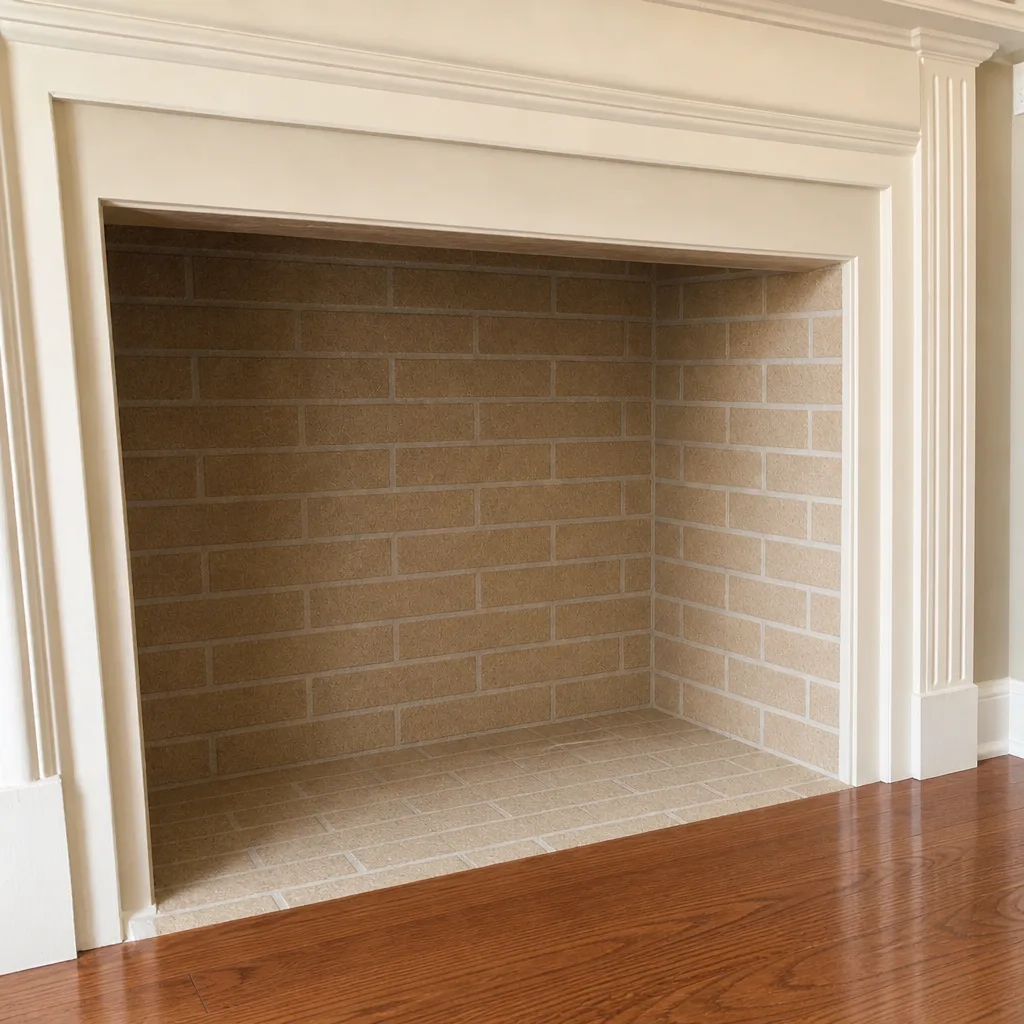 After
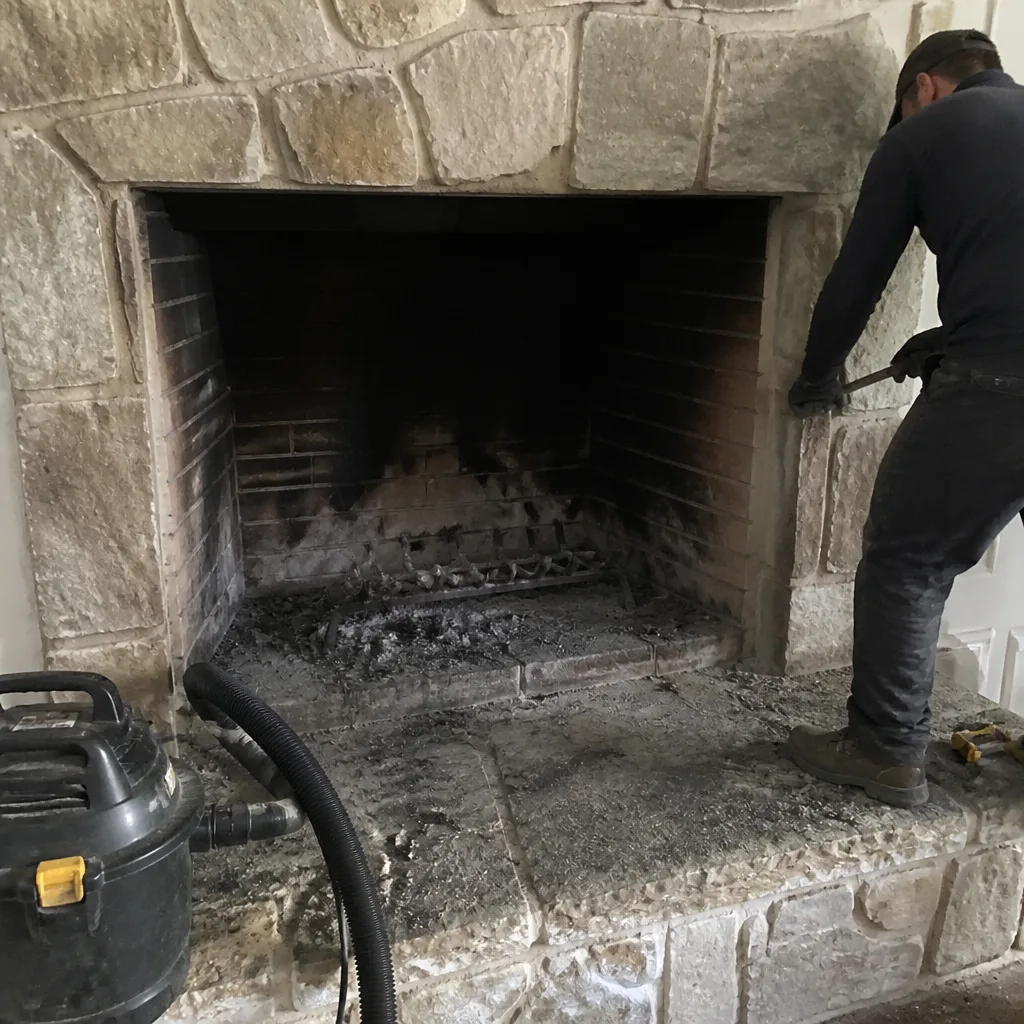 Before
 After
 Before
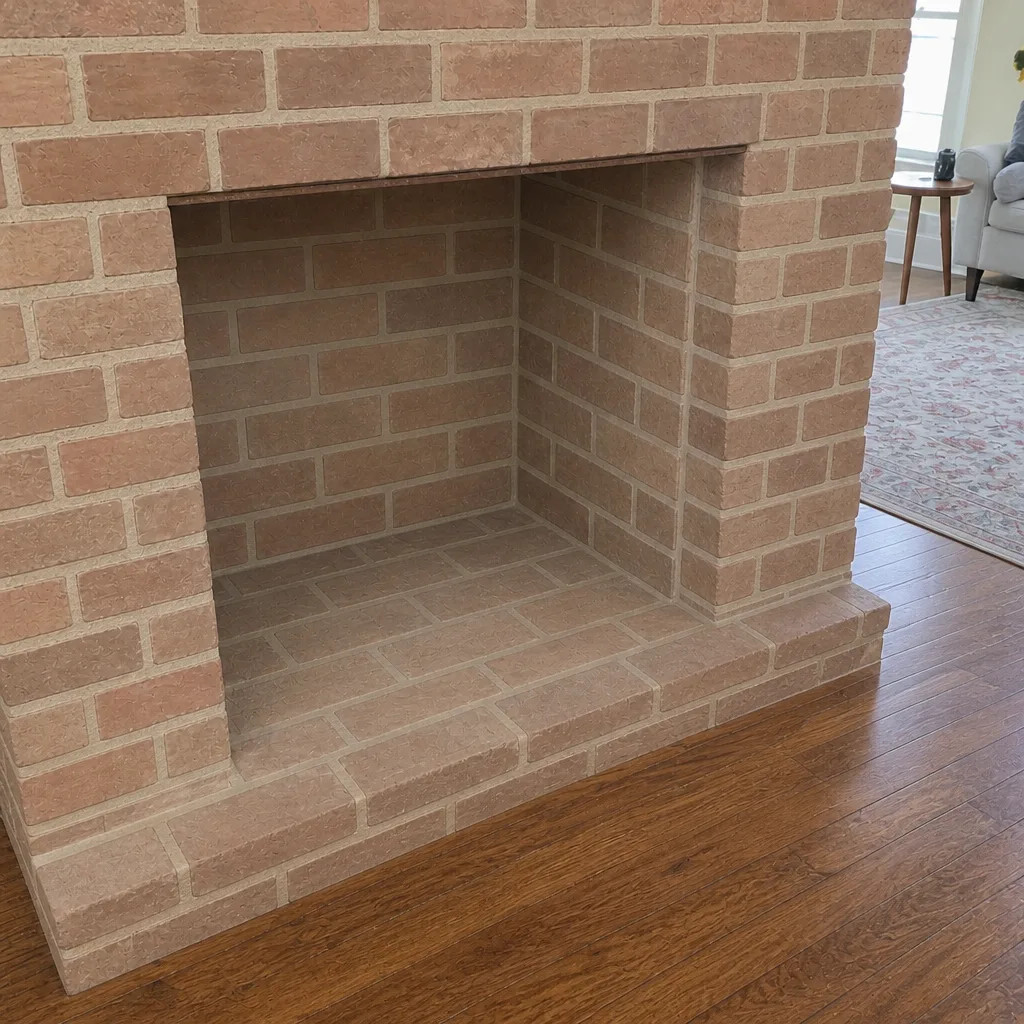 After
Common Mistakes to Avoid
- Accepting “stainless steel” as a spec. It isn’t one. Ask for alloy grade and thickness in writing, and don’t book until you have them.
- Choosing on price alone. The cheapest liner quote in Buckhead is usually an entry-grade single-wall product from an unvetted supplier, and the savings disappear the day it needs replacing. Get two quotes at matched specs, then compare.
- Skipping the camera inspection. Without a Level II inspection, any recommendation about your liner is a guess. If a company proposes liner work without showing you photos, slow down.
- Buying a cap from a home improvement aisle. A thin galvanized cap resists rain for a season or two in Atlanta humidity and then rusts through. A stainless cap from a known maker is a different product.
- Ignoring the warranty conditions. A lifetime warranty that voids on uninsulated installation or undocumented maintenance is worth less than it seems. Read the conditions before you buy.
- Assuming crown work is cosmetic. A cracked crown lets water into the masonry behind it. Water is the leading cause of chimney deterioration in this climate, and a small crack gets expensive if it’s ignored.
- Hiring a generalist for a specialist job. A company that also does gutters, roofing, and handyman work is unlikely to stock liner systems or understand product grades. Chimneys are a narrow trade with specific materials.
When to Call a Professional
Some chimneys need attention the moment you notice the symptom. Others can wait for a scheduled sweep. Call a professional if you see a cracked or missing crown, a cap that’s loose, missing, or rusted through, visible cracks in the firebox, a smoky fire that never seems to draft properly, or crumbling mortar on the exterior. Call sooner if you notice a strong, sharp smell that suggests a buildup, or if the flue has never been inspected and its history is unknown. If you recently bought a home in Buckhead with an unexamined chimney, a Level II inspection before the first fire of the season is a sensible first move. Buckhead Chimney Sweep Pros offers free estimates in Buckhead: call (866) 947-8098. We answer 24/7. Fast dispatch from 7am to 7pm, Sunday through Friday.
Frequently Asked Questions
A standard chimney sweep in Buckhead typically runs in the low-to-mid hundreds of dollars, with the final price set per job by the written estimate. Sweeping plus a Level II inspection usually costs more than a bare sweep, because the inspection includes a camera and a written report. For an exact quote on your chimney, call (866) 947-8098. Estimates are free.
The right grade depends on what you’re burning. A 304 stainless liner is fine for a straightforward wood-burning fireplace in good condition; a 316Ti alloy liner is the better choice for gas, oil, or wood setups with a more aggressive flue environment. The quote should name the grade, the wall thickness, and whether it’s insulated. Ask for it in writing before you sign.
Sometimes not. A cracked clay flue that’s structurally sound can often be resurfaced with a product like HeatShield, which rebuilds the flue from the inside and is a real alternative to a full replacement. In other cases, the flue is too damaged or the wrong size and a new liner is the correct call. The only way to know is a camera inspection you can see for yourself. Call (866) 947-8098 to schedule one, and we’ll show you the evidence before recommending anything.
Most wood-burning chimneys need a sweep once a year, or whenever creosote buildup reaches a quarter-inch, whichever comes first. Gas fireplaces usually need less frequent cleaning but still need an annual inspection. Buckhead’s long heating season and the region’s humidity both shorten the interval, so a yearly check is the practical standard.
Creosote builds up inside the flue, and at high enough levels it can ignite. A chimney fire can damage the flue, spread into the structure, and produce dangerous gases. Carbon monoxide risk goes up with a blocked or damaged flue. None of this is a scare tactic; it’s the reason building codes address regular chimney maintenance. Call (866) 947-8098 to schedule a sweep before the burning season begins.
Yes, more than most homeowners expect. The cap is your chimney’s main defense against rain, snow, and animals. A thin galvanized cap rusts through in a season or two in this climate, while a stainless cap from a known maker like Famco or Copperfield protects the flue for years. Gauge and mesh size also need to match your flue. Ask for both in writing before booking.
The Bottom Line
Chimney brand questions come down to materials, not logos. Ask for alloy grades, product classes, cap gauge and mesh size, and waterproofing type in writing. Insist on a camera inspection you can see for yourself before any liner or masonry work is recommended. Read the warranty conditions, not just the headline. And when you add it all up, ask whether the company you’re hiring stocks trade-grade materials because their work demands them, or orders per job. Buckhead homes deserve a specialist for a job this specific. Our technicians have up to 14 years of experience, and our team is glad to walk through the details with you. When you’re ready, call (866) 947-8098 for a free estimate. We answer 24/7. Fast dispatch from 7am to 7pm, Sunday through Friday. For the repair side of the same system, our page on fireplace repair covers the firebox and hearth.
Written by the team at Buckhead Chimney Sweep Pros.