
Last updated November 24, 2026
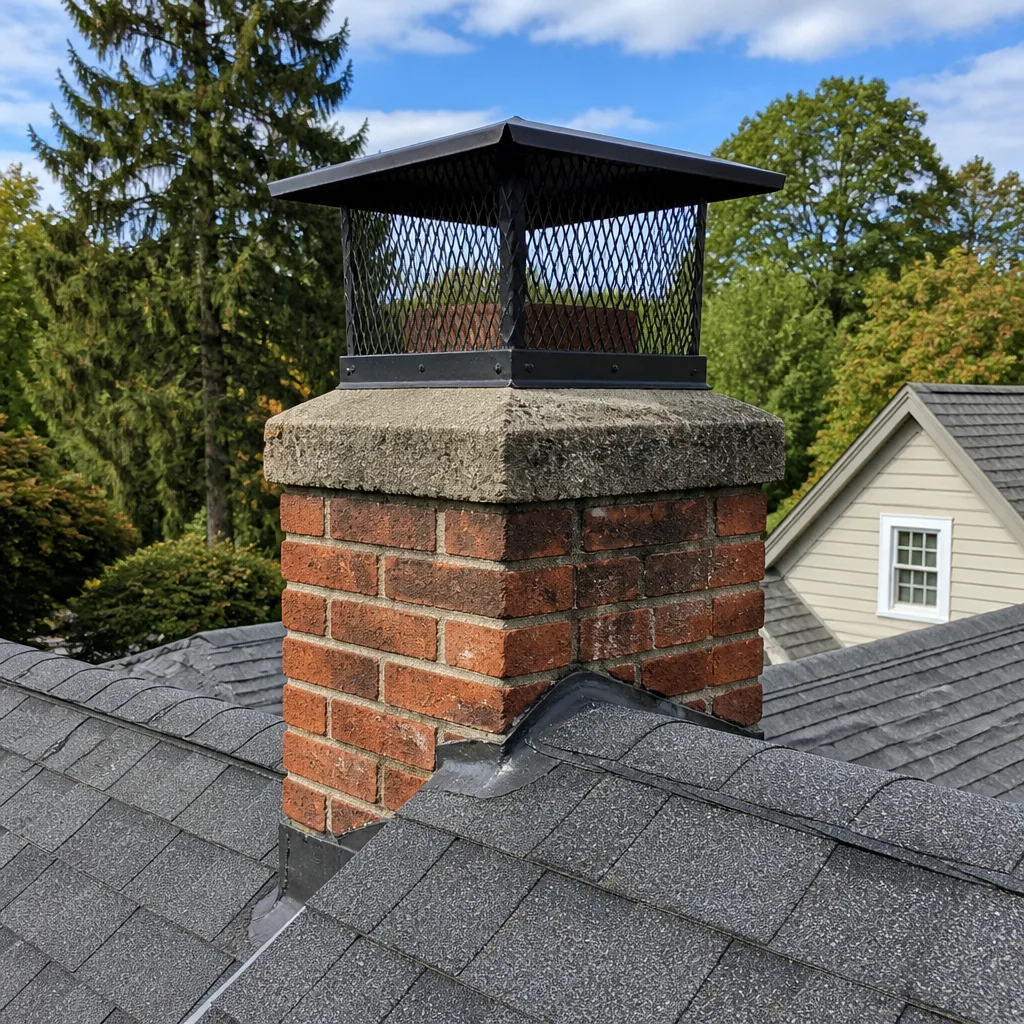 Sweep & inspection
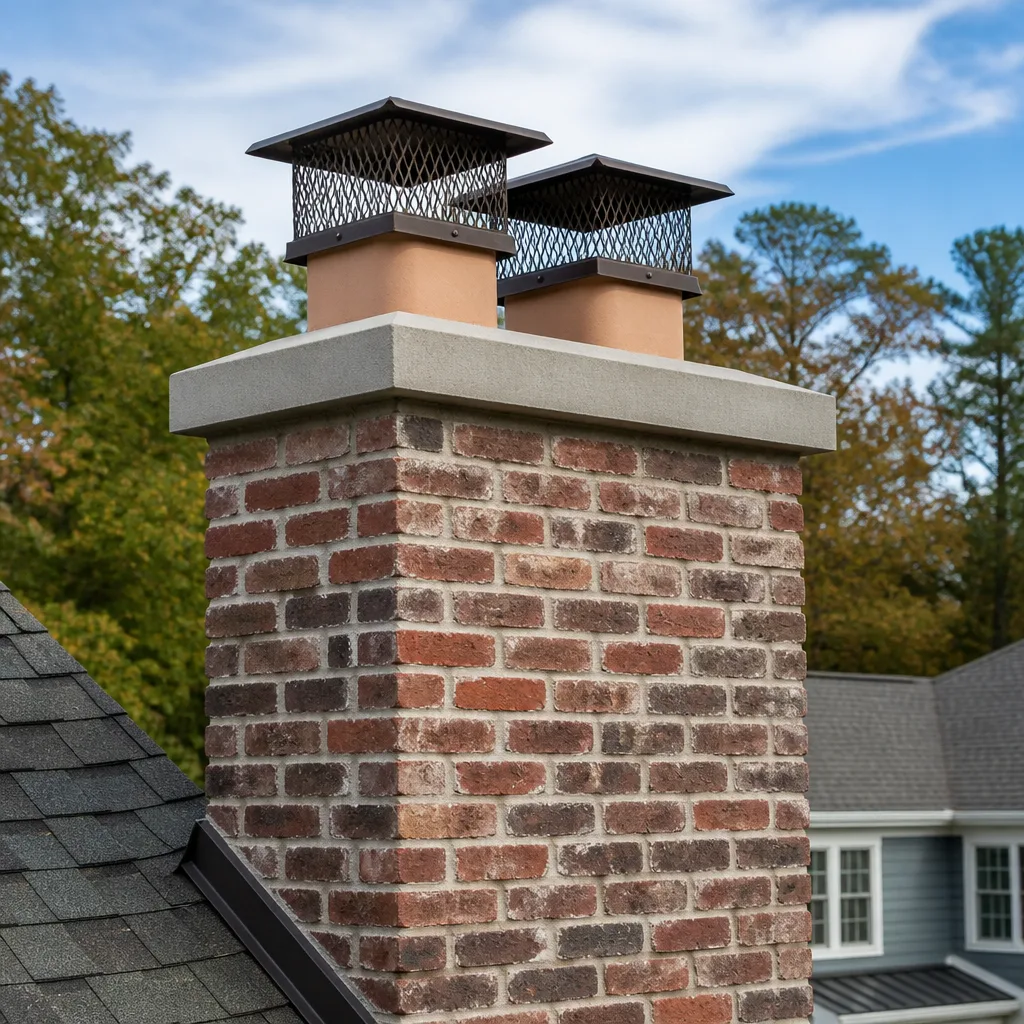 Caps & crowns
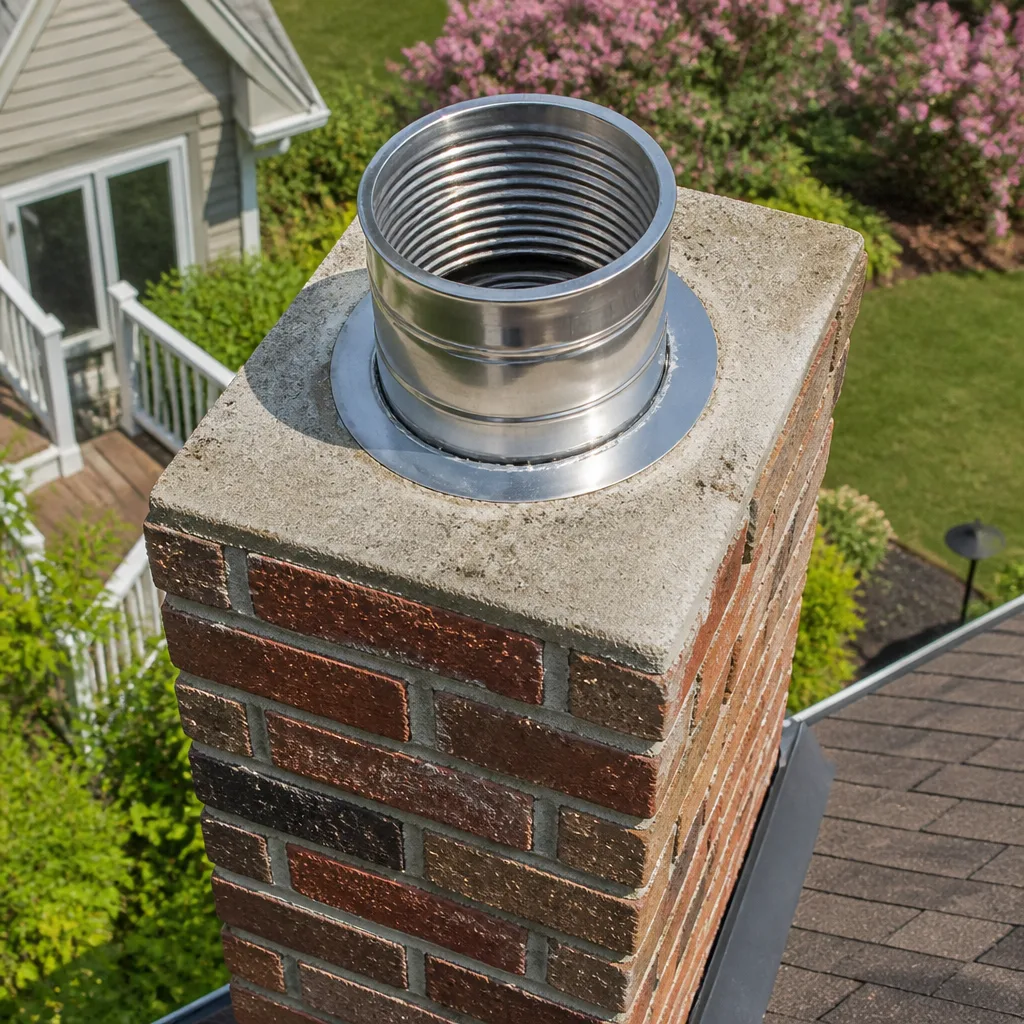 Flue relining
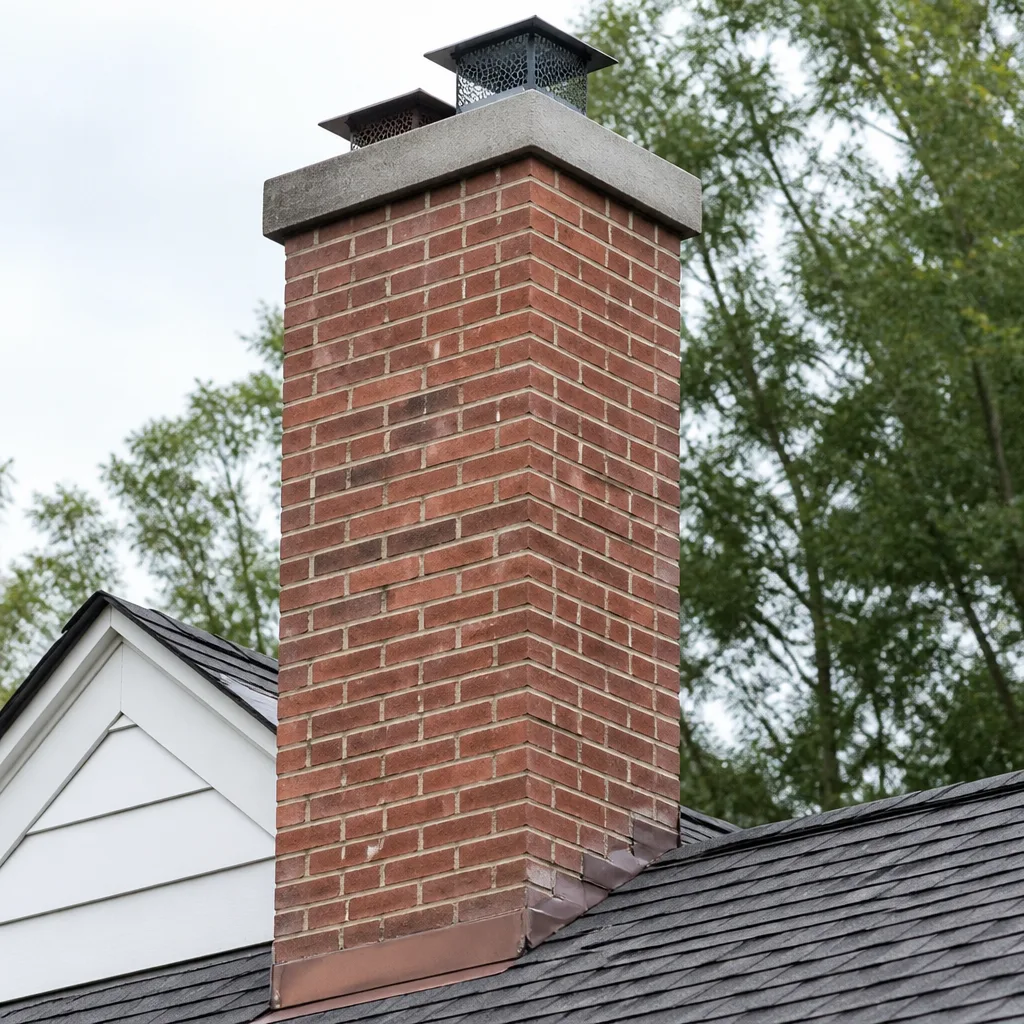 Masonry repair
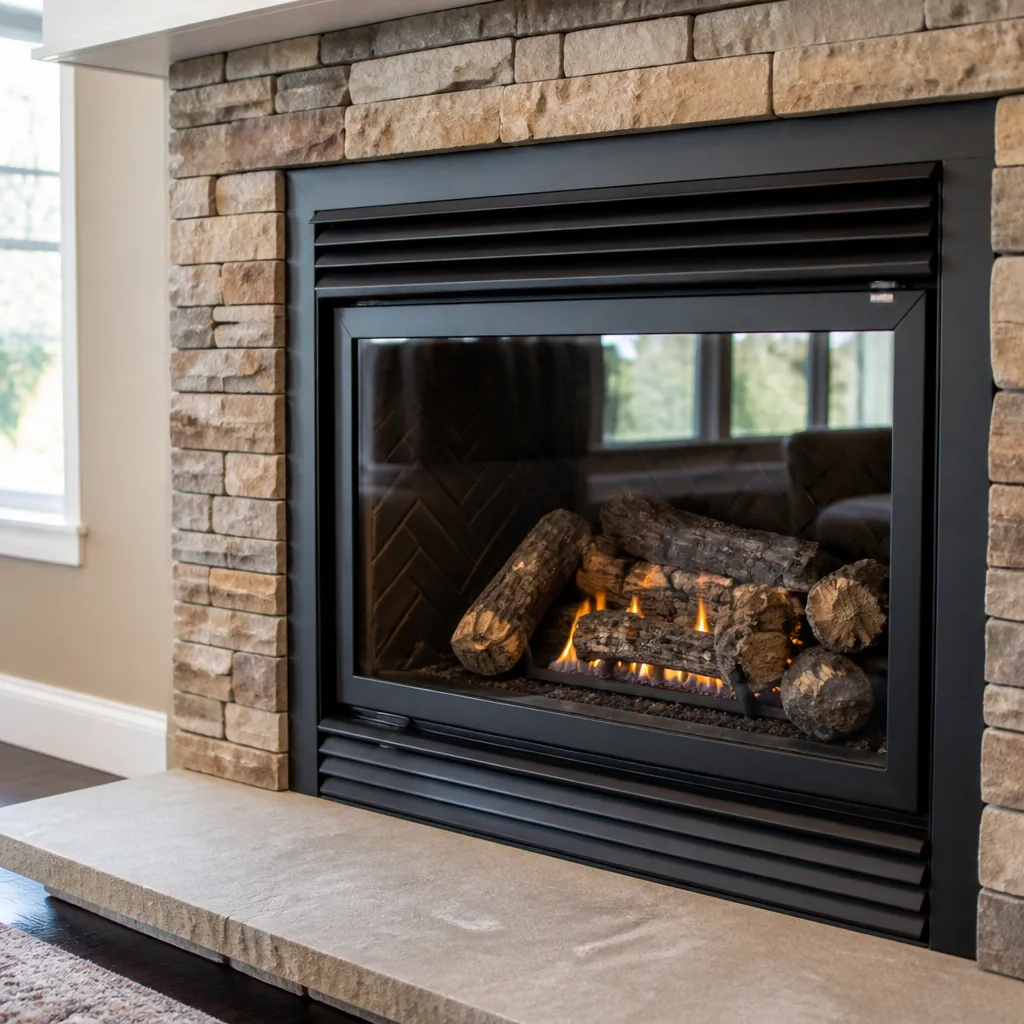 Gas fireplace service
Level 1 sweep and inspection to the NFPA 211 annual standard - flue, crown, cap, and flashing checked and photographed
Chimney sweep logs do not sweep chimneys. They loosen some creosote - which then falls where a brush and vacuum still have to collect it.
The Complete Guide to Chimney Cleaning in Buckhead
Most Buckhead homeowners book a chimney sweep once a year because that’s what they’ve always heard. The “annual” recommendation, though, was written around heavy wood-burning frequency, not the gas logs and occasional fires that dominate most Buckhead homes today. A house that sees three fires a season and a house that burns oak every cold night both get the same advice, and that advice is often wrong for one of them. What actually decides when a flue needs cleaning is creosote accumulation, moisture, and what’s inside the chimney walls. This guide walks through how a Buckhead chimney really ages, what a proper cleaning involves, and how to tell a real service from a twenty-minute pass.
Quick Answer
Chimney cleaning in Buckhead removes creosote, soot, and blockages from the flue so the chimney vents safely, and it should be scheduled based on how much and what you burn, not on a calendar date. Gas-log fireplaces still need an annual inspection even though they build little creosote, and wood-burning chimneys need sweeping once creosote reaches about 1/8 inch. A professional sweep also checks the cap, crown, and liner, because in Georgia’s humidity those components often matter more than the soot itself.
Styles & brands we work with
- Sweep & inspection
- Caps & crowns
- Flue relining
- Masonry repair
- Gas fireplace service
Table of Contents
- Why Chimney Cleaning Matters in Buckhead
- How Georgia Humidity Changes Creosote
- Gas Logs vs. Wood: What Changes the Inspection Priority
- Level 1, 2, and 3 Inspections Explained
- What Buckhead’s Older Homes Have Inside the Flue
- What Happens During a Real Cleaning
- How Often Should You Schedule a Sweep?
- What Chimney Cleaning Costs in Buckhead
Why Chimney Cleaning Matters in Buckhead
Chimney cleaning matters because creosote, the tar-like residue left behind by burning wood, is the fuel for chimney fires. It builds in layers on the flue walls, and each layer insulates the one beneath it. When the flue gets hot enough, that buildup can ignite. A clean flue has nothing to feed a fire, which is the whole point of the service. Soot matters less for fire risk but does restrict airflow, and a restricted flue pushes smoke back into the room instead of up and out.
In Buckhead, chimney cleaning also protects the parts of the system you can’t see from the hearth. The flue tile, the mortar joints between tiles, and the firebox all sit behind the finished wall. Cleaning gives a technician a chance to look at them up close. That matters because a cracked flue tile lets heat and carbon monoxide reach combustible framing, and it’s not something a flashlight pointed up from the fireplace will reliably show.
Carbon monoxide is the quieter risk. A blocked or damaged flue can spill combustion gases into the living space instead of venting them outside. Gas appliances in particular produce carbon monoxide with no visible smoke to warn you. A properly functioning chimney is a safety standard, not a luxury service, and cleaning is where that standard gets checked. If you want the service itself, our chimney sweep page covers what we do on a standard visit.
How Georgia Humidity Changes Creosote
Georgia’s humid summers speed up the creep from Stage 1 to Stage 2 creosote, and that’s a big deal for how often a flue needs attention. Stage 1 is the flaky, dusty soot you can brush away. Stage 2 is a crunchy, glazed crust that clings to the flue walls and won’t come off with a standard brush. Stage 3 is the hard, glassy glaze that requires rotary tools or chemical treatment.
Here’s the mechanic that matters. Creosote doesn’t just build from fires; it absorbs moisture from the air between burn seasons. In a dry climate, Stage 1 residue sits on the flue wall fairly stable until the next fire. In Buckhead’s summer humidity, that same residue pulls in damp air, swells, and cures into a denser layer. Come fall, you’re starting the season with Stage 2 where you might have had Stage 1. That conversion happens faster here than it would in, say, Colorado, and it’s the reason a flue that was “brushed last year” can be hard to clean the next.
Two practical consequences follow from that.
- Cleaning before humid season helps. Getting Stage 1 residue off in spring, before the damp months cure it in place, is easier than scraping Stage 2 off in October.
- Glazed creosote needs real work. A brush alone won’t touch Stage 2 buildup on the flue walls. A technician has to recognize it and switch tools, and that takes time a discount sweep won’t spend.
The same humidity that hardens creosote also attacks the masonry from outside. Water is the most common cause of chimney deterioration in this part of Georgia, and it gets in through failed crowns, missing caps, and cracked mortar. Cleaning and inspection together are how you catch those before a small repair becomes a rebuild.
Gas Logs vs. Wood: What Changes the Inspection Priority
Gas-log fireplaces change the inspection priority from creosote removal to liner integrity and blockage. That’s because gas logs produce very little creosote, so a gas chimney rarely needs the same aggressive sweeping a wood chimney does. What it does need is a careful look at the venting, because the risks are different.
Gas combustion produces water vapor, and in a vented gas fireplace that vapor moves up the flue. Over enough time, moisture plus the slightly acidic condensate can degrade mortar and flue tile. A vented gas log set also depends on a clear, unobstructed flue. Birds and squirrels move into uncapped chimneys all year, and a nest in a gas flue blocks the very path the exhaust needs. Because gas exhaust carries no smoke, a homeowner gets no visual warning when it starts backing up. The carbon monoxide threat is the reason a gas-log chimney still gets an annual look, even with no creosote in sight.
There’s a second issue specific to converted fireplaces. When a wood fireplace is retrofitted with gas logs, the original flue was sized for wood smoke at higher volume and temperature. Vented gas logs need the damper partially open, and a homeowner who forgets can push exhaust into the room. The installation details matter, and a technician checking a gas setup is verifying that venting was done correctly, not just sweeping.
What a gas-log inspection in Buckhead involves:
- Confirm the flue is clear of nests, debris, and fallen tile.
- Check the liner for cracks, gaps, and deteriorated mortar joints.
- Verify the damper position suited to the log set.
- Inspect the cap and crown so water stays out of the flue.
- Look at the firebox for cracks or material breakdown.
If you’ve noticed a smoky firebox or a fire that won’t draw, our fireplace repair service addresses the firebox and damper side of the system.
Level 1, 2, and 3 Inspections Explained
The three inspection levels come from NFPA 211, the national standard for chimneys, fireplaces, vents, and solid fuel appliances, and they define how far a technician goes. Each level answers a different question. Knowing which one your situation calls for keeps you from paying for more than you need, or too little.
Level 1 is the routine annual inspection. The technician examines the readily accessible parts of the chimney and venting with the basic tools: a flashlight, a camera, and visual access through the firebox and damper. It’s appropriate when the appliance and fuel haven’t changed and the system is in known working order. Most maintained gas-log fireplaces and lightly used wood fireplaces fit here.
Level 2 goes further and includes video scanning of the flue. It’s triggered by several common situations:
- A property changing hands, which is standard practice for a home sale
- A change in fuel type or appliance, like a wood-to-gas conversion
- An earthquake, lightning strike, or a chimney fire
- A new liner installation or other system modification
- Any sign of a problem a Level 1 can’t diagnose, such as a stubborn draft issue
Level 3 is the most involved. When a Level 1 or 2 reveals a serious hidden defect, reaching it may require removing part of the chimney or wall. Level 3 is reserved for cases where the problem can’t be confirmed any other way, and a technician should discuss the reason for it with you before any cutting begins.
In our experience, Buckhead buyers and sellers most often need the Level 2, because a property transfer is the textbook trigger. If you’re documenting a chimney for a sale or an insurer, the inspection report and video footage are exactly what a lender or adjuster wants to see.
What Buckhead’s Older Homes Have Inside the Flue
Buckhead’s housing stock spans many decades, with a large share built between the 1940s and 1980s, and the year a house was built tells a technician a lot about what’s inside the flue. Construction methods and materials changed across those decades, so the cleaning approach has to match the era.
- 1940s to 1960s builds often have solid masonry flues with clay tile liners and original mortar. The tile may be sound but the mortar joints between tiles can erode, and moisture has had decades to work on the exterior.
- 1960s to 1980s builds frequently used single wythe masonry or early prefabricated metal chimney systems. Prefab metal flues have their own failure points, and some have been relined over the years.
- Renovated homes may have a mix: an original firebox with a newer insert, or a replaced liner inside an original chase. The technician has to confirm what’s actually in there rather than assume.
Why this matters for cleaning: the wrong brush or an aggressive rotary tool against a soft clay tile or a thin metal liner can do real damage. A specialist identifies the material first, then chooses the tool. That’s a big part of why we say the flue’s age changes the job, and it’s a detail a generalist sweep may not account for. Deteriorated clay tile is also where liner restoration comes in, and materials like HeatShield resurfacing are designed for exactly those deteriorated liners. It’s a different service from a sweep, and it’s beyond what sweep-only companies typically perform.
What Happens During a Real Cleaning
A real cleaning takes more than twenty minutes because the technician is working through the whole system, not just the flue. Here’s the sequence we follow on a standard visit.
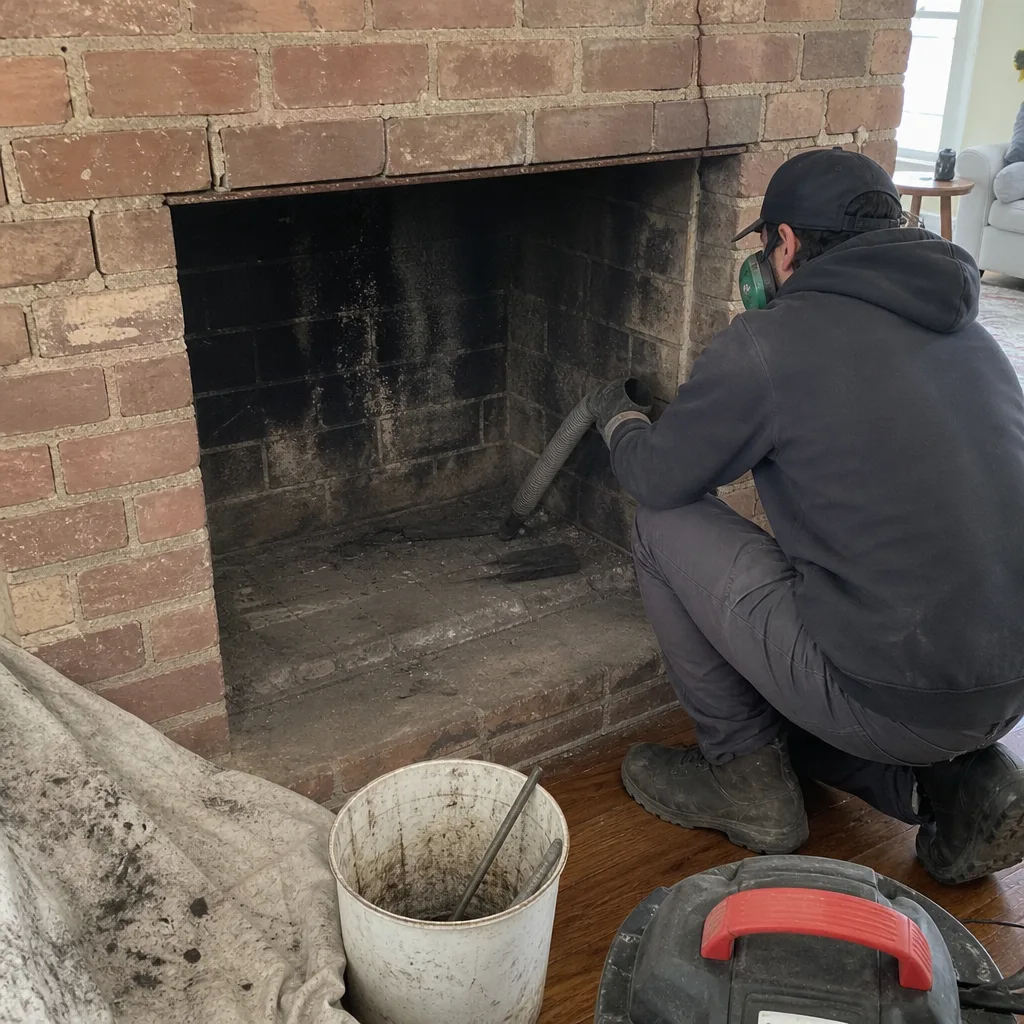
- Set up protection. Drop cloths and a runner protect floors and furnishings, and a HEPA vacuum captures soot at the firebox so it doesn’t travel through the house.
- Inspect the accessible system first. Firebox, damper, smoke chamber, and the visible flue are checked for damage, blockages, and creosote stage before any brushing.
- Sweep the flue. Rods and brushes matched to the flue material clear the walls. Stage 2 buildup gets additional work; Stage 3 glaze requires rotary or chemical treatment.
- Clean the firebox and smoke chamber. The smoke chamber above the damper is where a lot of hidden creosote gathers, and it’s easy to skip.
- Check the top end. The technician inspects the cap, crown, and spark arrestor, since a missing or damaged cap lets water and animals in. Where a cap needs replacing, we can fit the right one on the same visit from our Gelco and Olympia Chimney product range rather than scheduling a return trip.
- Document and report. A camera inspection shows what was found and what condition the flue is in, so you can see the evidence yourself.
The contrast with a discount sweep is in the corners. A rushed visit tends to brush the flue and leave. It skips the smoke chamber, doesn’t video the liner, and won’t flag a cracked tile it never looked at. None of that is detective work; it’s simply the difference between a service built around speed and one built around the system.
How Often Should You Schedule a Sweep?
How often you need a chimney sweep depends on what you burn and how much, not on a fixed yearly rule. The industry guidance most often cited is to have the chimney inspected annually and cleaned when there’s about 1/8 inch of creosote buildup. That’s a sensible baseline, and it’s the standard our recommendations are built around.
Here’s a practical way to think about frequency in Buckhead:
- Heavy wood burning (a fire several nights a week through winter): sweep once a year, and check for buildup mid-season if you burn a lot of soft or unseasoned wood, which leaves more creosote.
- Occasional wood burning (a few fires a month): an annual inspection is usually enough, with cleaning every year or so depending on what the inspection shows.
- Gas logs: annual inspection even without a sweep, because creosote isn’t the concern but blockage and liner condition are.
- Newly purchased home: inspect before you move in, since the previous owner’s burn history is unknown.
- After a chimney fire: a Level 2 inspection regardless of timing, because damage from a fire can be invisible.
One more local factor: the gap between burning seasons in a humid climate is when creosote cures harder. If your last cleaning was in fall, checking again the following spring catches Stage 1 residue before Buckhead’s summer moisture sets it into a tougher layer. That timing alone can save effort on the next visit.
What Chimney Cleaning Costs in Buckhead
What you’ll pay for chimney cleaning in Buckhead depends on the service, the flue’s condition, and whether repairs are needed, and no reliable figure can be quoted without seeing the system. A standard sweep, a video inspection, and liner restoration are different jobs at different scopes, so a number pulled from a phone call is just a guess. That’s why the estimate is written down and agreed before any work begins.
What affects the scope of the job:
- The creosote stage and amount to be removed
- Whether a video inspection (Level 2) is called for
- Access to the flue and the complexity of the setup
- Whether the cap, crown, or liner needs attention
- Fuel type and whether the firebox or damper needs repair
We set the price per job from the written estimate, and the estimate itself is free. What you won’t get is a vague “starting at” figure that climbs once the technician is on site. When a cap, crown, or liner needs work, that gets explained with the evidence in the report, and you decide before anything proceeds. If the repair can safely wait, we say so. The whole point is that you can see what we’re recommending and why.
Common Mistakes to Avoid
- Treating “annual” as a fixed rule. The recommendation assumes regular wood burning. A gas-log fireplace and a wood-burning one don’t need the same service, and forcing the same calendar on both wastes money or skips real checks.
- Letting a missing cap go unrepaired. Buckhead’s rain and the animals that love an open flue both cause damage over time. A cap is one of the cheapest protections on the system and one of the most ignored.
- Assuming a gas chimney needs nothing. Gas logs make little creosote but still need venting and liner checks. A blockage in a gas flue gives no smoke warning.
- Booking a “discount sweep” without asking what’s included. If the visit is over in twenty minutes, the smoke chamber and liner almost certainly weren’t checked.
- Skipping the inspection on a home purchase. A property transfer is exactly when a Level 2 inspection matters, because nobody knows the previous owner’s burn history or repair record.
- Putting off glazed creosote. Stage 2 and 3 buildup don’t clear up on their own, and in a humid climate they get harder to remove the longer they set.
- Ignoring a cracked crown or eroding mortar. Water is patient, and the repair gets bigger the longer it’s deferred. A crown that lets rain in damages the flue tiles behind it.
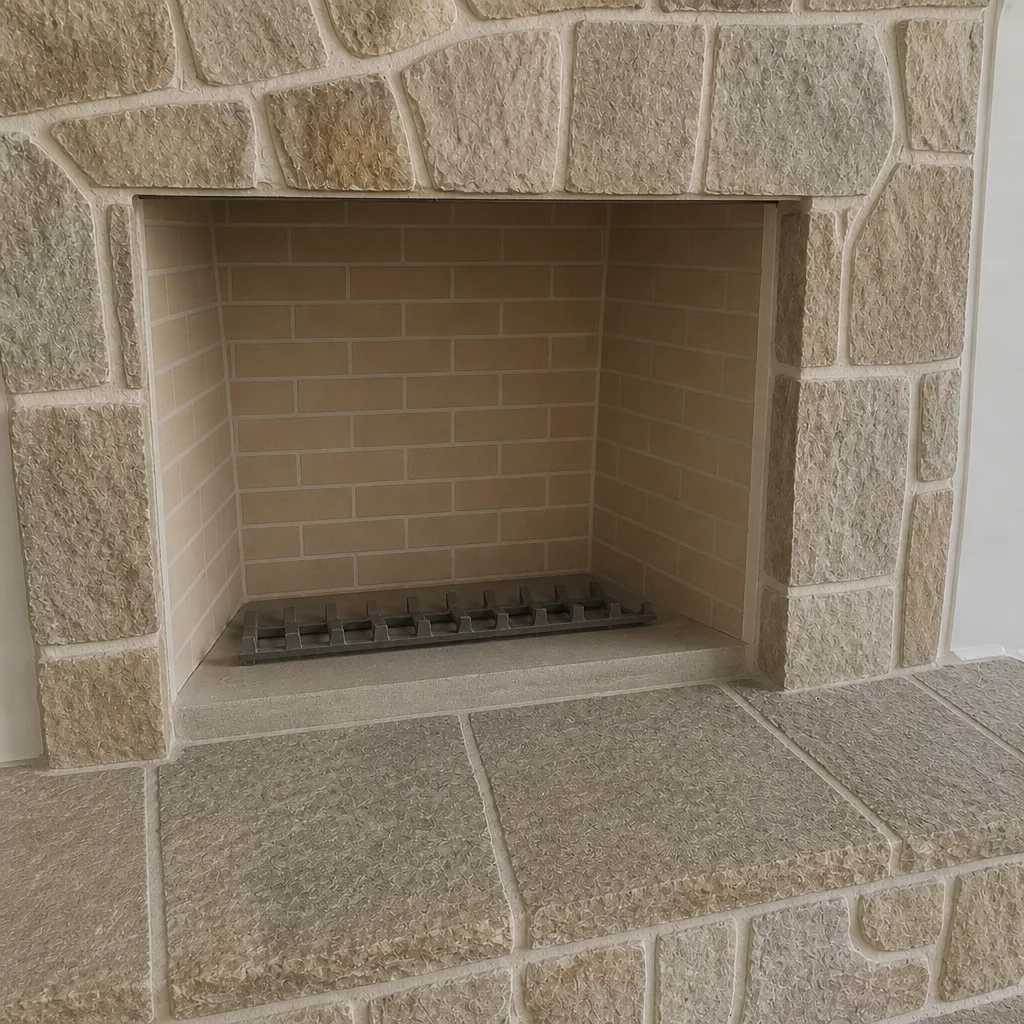
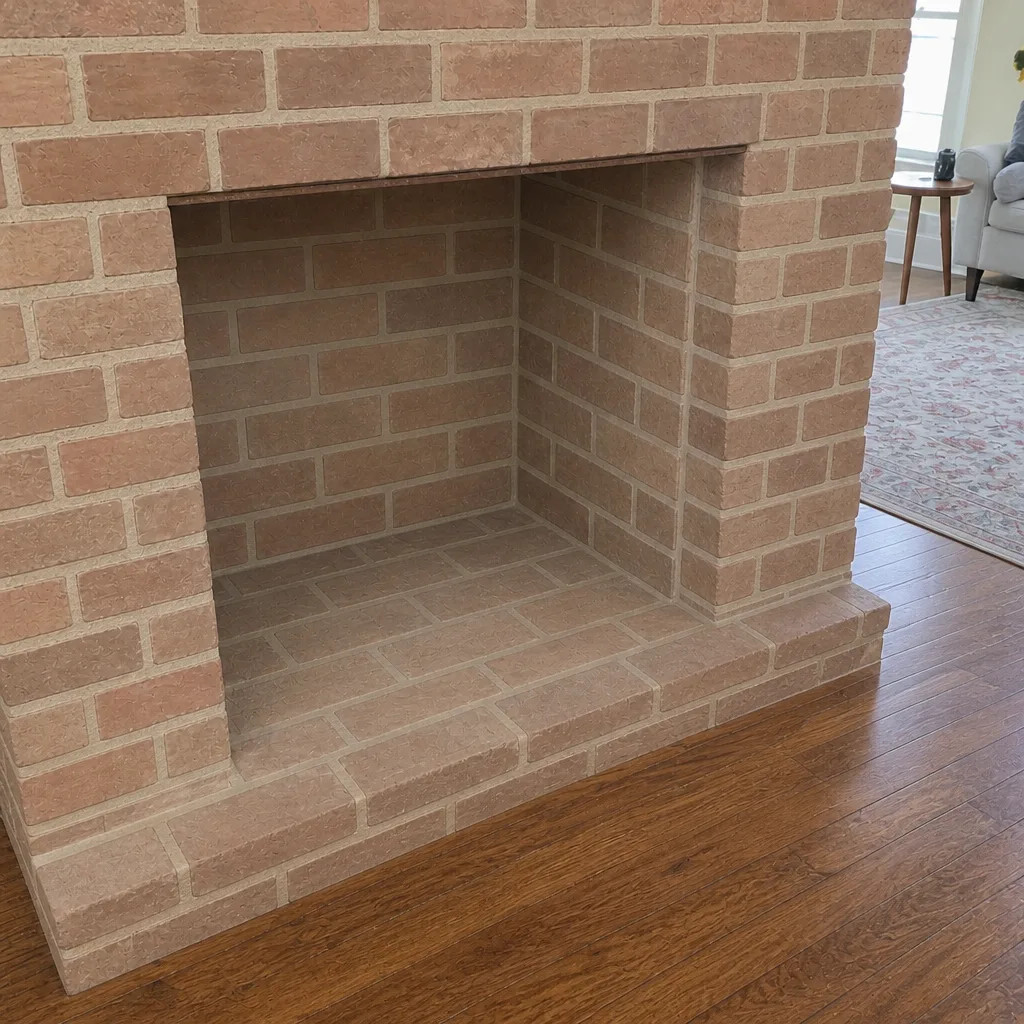
See the difference
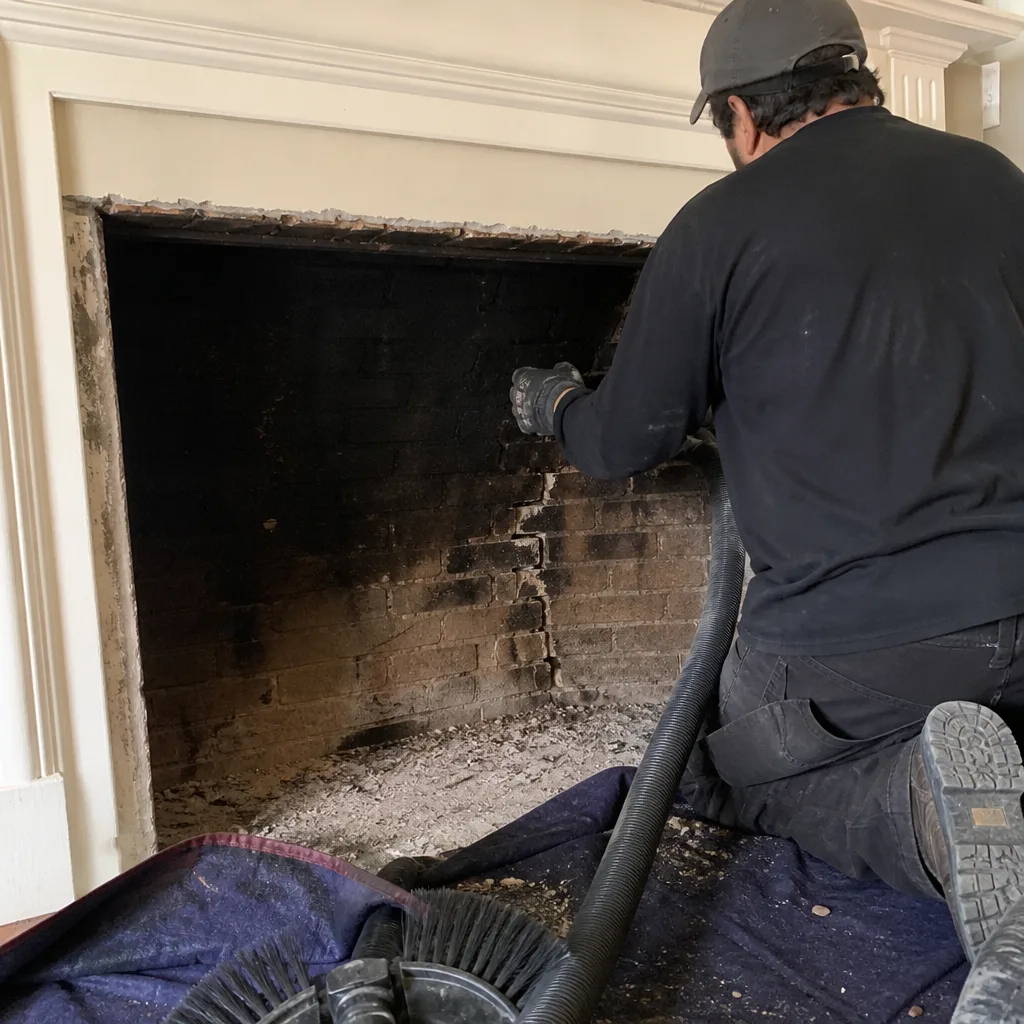 Before
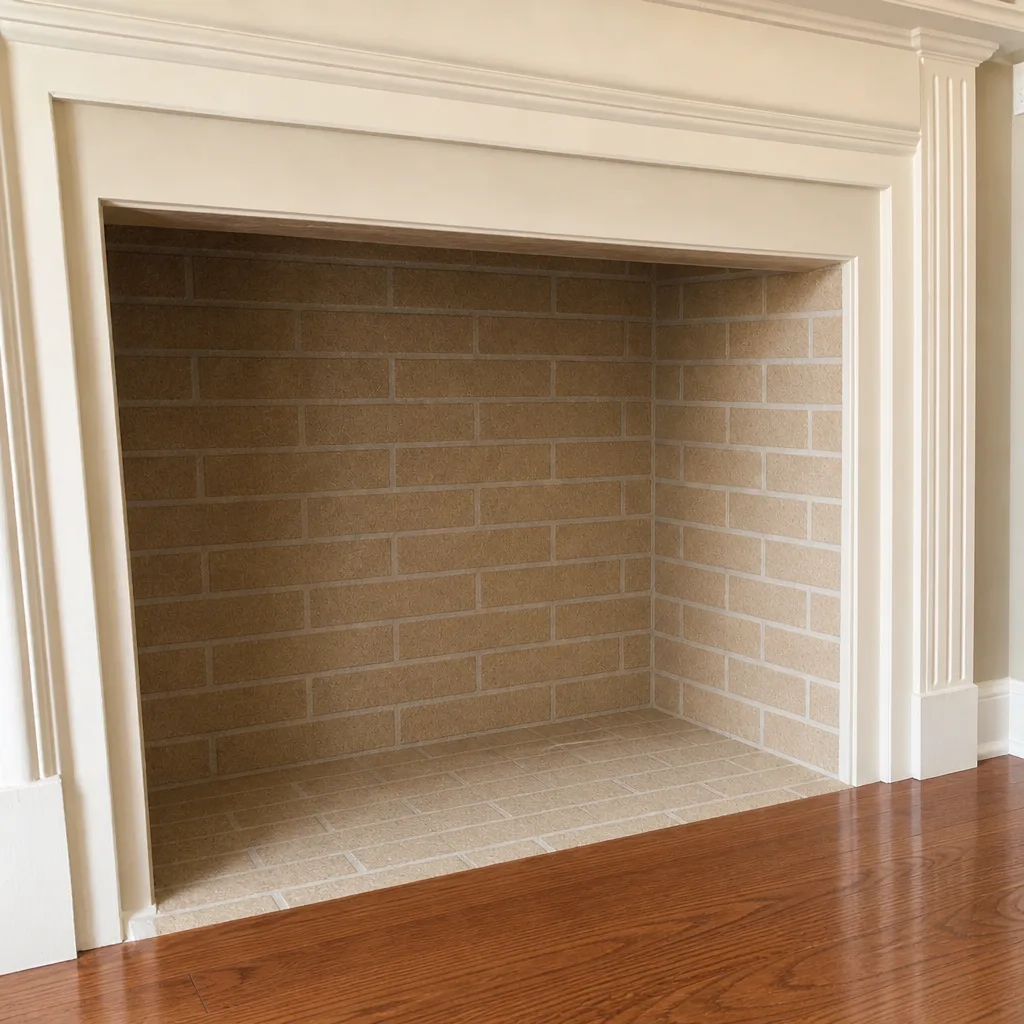 After
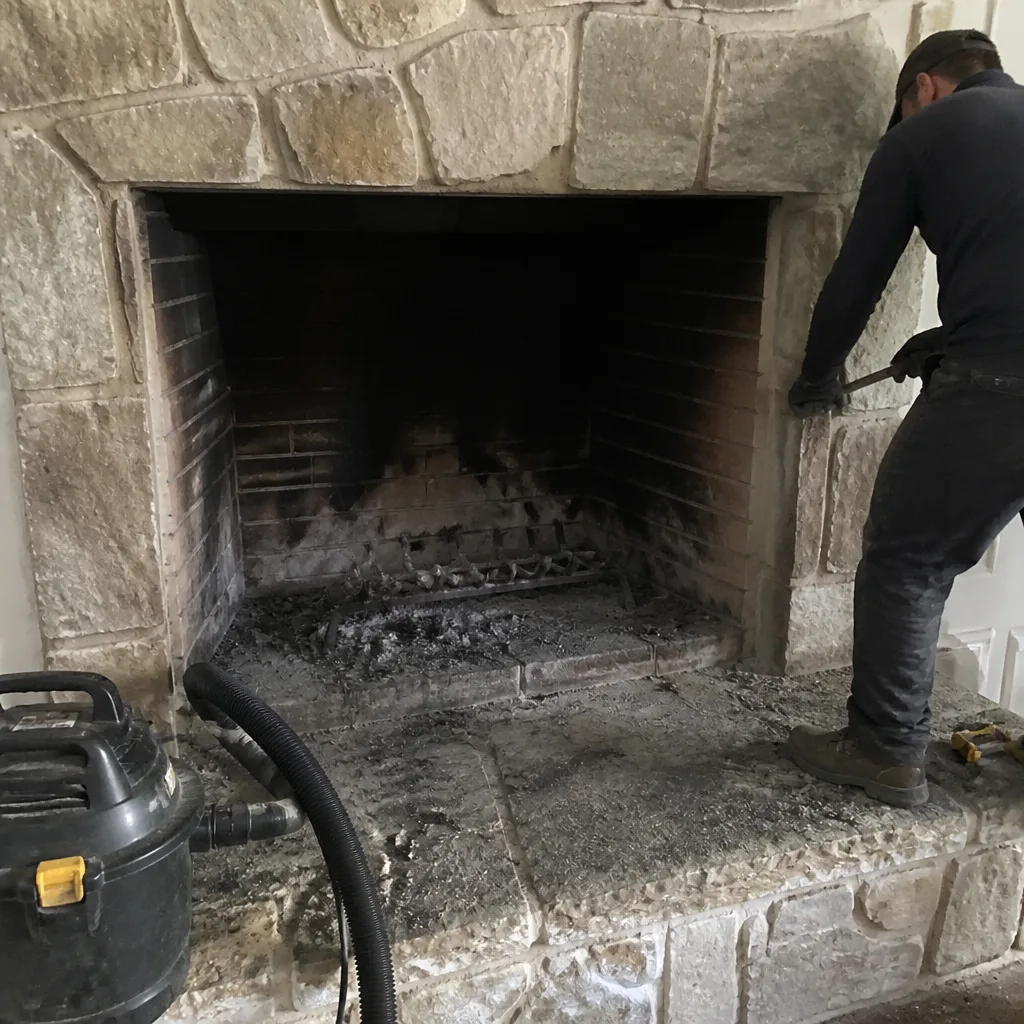 Before
 After
 Before
 After
When to Call a Professional
Call a professional when you don’t know your chimney’s history, when you’ve noticed visible damage, or when it’s simply been more than a year. Specifically: a home you just bought with an unknown flue, a cracked crown or missing cap, a smoky firebox, a wood-to-gas conversion, or any sign of a prior chimney fire. Those situations call for an inspection and, in most, a cleaning. Glazed creosote, a deteriorated flue tile, and a liner that needs resurfacing all sit beyond what a generalist handles, and picking up the phone early is cheaper than repairing the result later. If you’re seeing the signs, a trained technician should be the one on the ladder, not a handyman with a brush.
Buckhead Chimney Sweep Pros offers free estimates in Buckhead. Call (866) 947-8098. We answer 24/7. Fast dispatch from 7am to 7pm, Sunday through Friday.
Frequently Asked Questions
Chimney cleaning in Buckhead is priced per job from a written estimate agreed before work begins, and the estimate is free. The final price depends on the creosote stage, whether a video inspection is included, and whether the cap, crown, or liner needs attention. Call (866) 947-8098 for an exact quote.
You need a new liner only if the existing one is cracked, deteriorated, or otherwise failing, and that should be shown to you on camera before anyone recommends it. HeatShield resurfacing can restore a deteriorated clay liner in some cases rather than replacing it. Nothing gets recommended without video evidence you can see for yourself, and if the work can safely wait, we’ll tell you. Call (866) 947-8098 for an inspection.
A chimney should be inspected annually and swept when there’s about 1/8 inch of creosote buildup, which for many wood-burning homes works out to once a year. Gas-log fireplaces still need an annual inspection even with little creosote, because blockage and liner condition are the concern. Call (866) 947-8098 to book a visit.
If you skip a sweep, creosote keeps building and the fire risk rises with it, while soot and blockages cut airflow and can push smoke and carbon monoxide back into the house. In Buckhead’s humidity, the buildup also hardens faster between seasons. It’s not an emergency if the system was recently checked, but don’t let it go unexamined indefinitely. Call (866) 947-8098 for an assessment.
A gas fireplace needs an annual inspection even though it produces little creosote. The priority shifts to liner integrity, venting, and keeping the flue clear of nests or debris, since gas exhaust gives no smoke warning if it backs up. Call (866) 947-8098 to schedule one.
A Level 1 is the routine annual visual inspection of accessible parts, while a Level 2 adds video scanning of the flue and is triggered by a home sale, a fuel or appliance change, a chimney fire, or a system modification. In Buckhead, property transfers are the most common reason for a Level 2. Call (866) 947-8098 to book the right level for your situation.
The Bottom Line
The main takeaway is that chimney cleaning in Buckhead is about your specific chimney, not a nationwide calendar. Humidity, fuel type, and the age of the house all change when and how the flue needs attention. Gas logs need inspection even without creosote. Older Buckhead homes carry materials and wear patterns that dictate the tools and the level of inspection. And a rushed sweep skips the smoke chamber, the liner video, and the cap that let the real problems in. The repair you avoid by checking in time is always cheaper than the one you discover after the fact. A specialist handles all of it, from cleaning through liner restoration, in one call. Buckhead Chimney Sweep Pros covers the full chimney system, with trade-grade products including DuraFlex and HeatShield liners, and inspection reports that show you exactly what’s going on inside the flue. Your entire chimney system – cleaned, inspected, and repaired in one call. Call (866) 947-8098 for a free estimate. We answer 24/7. Fast dispatch from 7am to 7pm, Sunday through Friday.
Written by the team at Buckhead Chimney Sweep Pros. Our technicians have up to 14 years of experience.